
Key Points
- Two of the three northbound lanes on State Route 99 (SR 99) over the First Avenue South Bridge in Seattle have been closed until further notice due to damage discovered in the steel deck during a routine inspection.
- The closure affects traffic heading north through the SoDo (South of Downtown) neighbourhood, reducing capacity significantly on this key industrial corridor.
- Washington State Department of Transportation (WSDOT) announced the closure on February 19, 2026, with no estimated reopening date provided as repairs are assessed.
- Drivers are advised to use alternate routes such as I-5 or local streets, with potential for increased congestion during peak hours.
- The bridge, originally built in 1992, underwent seismic retrofitting in recent years but now requires immediate attention to ensure safety.
- No injuries or incidents were reported in connection with the damage.
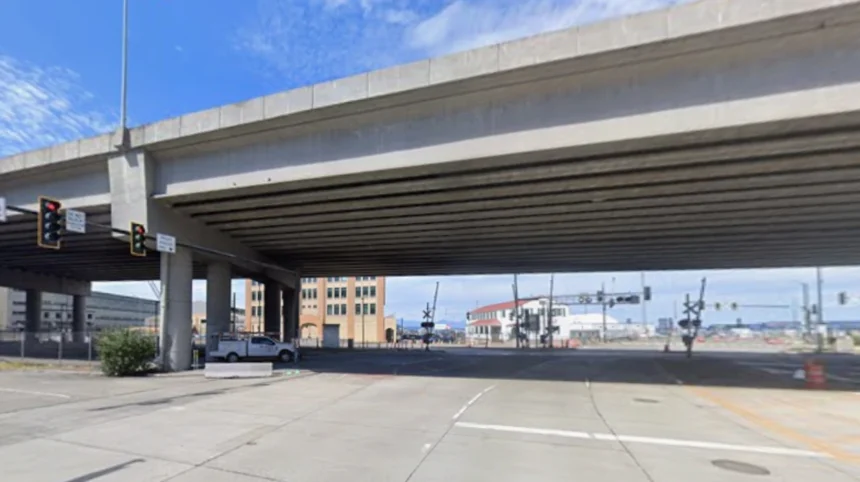
Seattle (King County Insider) February 20, 2026 — Two northbound lanes on State Route 99 over the First Avenue South Bridge stand closed indefinitely after inspectors found damage in the steel deck. The Washington State Department of Transportation implemented the restriction on Thursday to prioritise public safety amid ongoing assessments. This closure reduces the bridge to a single northbound lane, disrupting a vital artery for commuters and freight in Seattle’s industrial core.
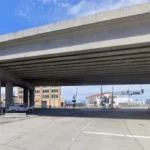
The First Avenue South Bridge, spanning a rail yard and connecting SoDo to Georgetown, now operates with limited capacity northbound while southbound lanes remain unaffected. As reported by Seattle Times transportation reporter Adam Wakefield of The Seattle Times, the damage was identified during a routine bi-annual inspection, prompting swift action to prevent potential hazards. WSDOT crews cordoned off the outer two lanes immediately, installing signage and barriers to guide motorists.
Closure Details
WSDOT confirmed the lane reductions apply solely to northbound traffic, preserving full southbound access. The agency has posted real-time updates on its travel information platform, urging drivers to check conditions before travelling. As noted by Christopher Winters of B-Town Blog, the closure stems directly from structural concerns in the bridge deck, with engineers now evaluating the extent of repairs needed.
Initial inspections revealed compromised steel elements, though the precise cause—whether corrosion, fatigue, or external impact—remains under investigation. WSDOT spokesperson Darcy Whitaker outlined the decision in a public statement, emphasising that lane closures serve as a precautionary measure until a full engineering analysis concludes. Northbound vehicles must now merge into the remaining interior lane just south of the bridge, bottlenecking flow during rush hours.
Motorists face detours via Interstate 5 (I-5) or surface streets like East Marginal Way, which parallel SR 99. The Washington State Patrol has increased presence to manage merges and enforce speed limits in constricted areas. As detailed by Chris Sullivan of MyNorthwest.com’s Chokepoints, similar past closures on this stretch have led to 20-30 minute delays, a pattern likely to repeat given the indefinite timeline.

Background on the Bridge
The First Avenue South Bridge opened in 1992 as part of SR 99 upgrades to alleviate congestion in Seattle’s growing port district. Spanning roughly 1,200 feet, it carries over 30,000 vehicles daily, including heavy trucks servicing the Port of Seattle and adjacent rail facilities. Recent seismic retrofits, completed between 2018 and 2022, bolstered its earthquake resilience but did not address all ageing components.
Routine inspections occur twice yearly under federal mandates, scrutinising deck integrity, joints, and supports. This incident echoes a 2019 partial closure for joint repairs, when WSDOT similarly reduced lanes for weeks. The bridge’s steel orthotropic deck, a design chosen for its lightweight strength, now demands targeted fixes to restore full functionality.
Traffic and Safety Implications
Commuters from West Seattle, Burien, and SeaTac International Airport rely heavily on SR 99 as a faster alternative to I-5. With two lanes gone, northbound travel times from the First Avenue South exit to downtown could double, per historical data from comparable events. Freight haulers, vital to the region’s logistics hub, face elevated costs from rerouting and idling.

WSDOT has deployed variable message signs across King County and launched a public awareness campaign via social media and radio. The agency anticipates no immediate risk to the open lane but prohibits oversized loads until cleared. Local authorities, including Seattle Department of Transportation, coordinate to tweak signal timings on parallel arterials.
Local Context and Impact on Seattle
This closure reverberates through Seattle’s SoDo and Georgetown neighbourhoods, where residents, warehouse workers, and small businesses form the backbone of daily operations. SoDo, home to T-Mobile Park and Lumen Field, sees heightened traffic during events, exacerbating delays for stadium-goers and employees. Georgetown’s vibrant community of artisans and eateries could suffer from reduced accessibility, as northbound backups spill onto local streets like Ellis Avenue.
In original analysis, the indefinite nature of this shutdown underscores Seattle’s perennial infrastructure strain, where ageing bridges intersect with booming port activity and population growth. Unlike short-term incidents, prolonged restrictions risk economic ripple effects: trucking firms may pass surcharges to consumers, inflating goods prices at nearby retail outlets, while remote workers in tech-heavy Pioneer Square opt for carpooling or transit, straining Sound Transit’s Link light rail. Historically, a 2021 SR 99 tunnel maintenance event caused similar snarls, prompting calls for diversified transport funding; today’s closure renews urgency for Seattle City Council to prioritise bridge bonds in the 2027 budget.
Georgetown residents, already navigating post-pandemic recovery, report early frustration via neighbourhood forums. The area’s designation as a manufacturing industrial council district amplifies concerns, as lane loss hampers just-in-time deliveries for firms employing thousands. Seattle Public Schools buses rerouting through the zone may add 15 minutes to routes, impacting students in affected zones.
Port of Seattle officials monitor ripple effects on cargo throughput, given SR 99’s role in linking terminals to I-5 northbound. Environmental advocates note potential upsides: fewer vehicles on the bridge could marginally cut emissions, though detour volumes on I-5 might offset gains. City engineers collaborate with WSDOT on contingency plans, including temporary shoulder use if inspections permit.
Official Responses and Next Steps
WSDOT commits to daily updates, with a structural report expected within two weeks. Governor Bob Ferguson’s office acknowledged the matter, pledging state resources for expedited repairs. Seattle Mayor Bruce Harrell directed SDOT to bolster pedestrian safety along detours, installing additional crossings where feasible.
Consultants from the Federal Highway Administration may join assessments, given the bridge’s interstate commerce significance. WSDOT plans off-peak repair windows to minimise daytime disruption once scope is defined. Public input sessions are slated for next month, allowing residents to voice concerns on long-term maintenance.
Broader Infrastructure Picture
Washington ranks mid-tier nationally for bridge conditions, per Federal Highway Administration audits, with SR 99 comprising several ageing spans. Statewide, $1.2 billion in biennial funding targets urban corridors like this one. Peer reviews of similar orthotropic decks in Oregon and California inform Seattle’s strategy, favouring minimally invasive welding over full replacement.
This event highlights multimodal advocacy: King County Metro eyes bus-only lanes on detours, while advocates push bike infrastructure upgrades. Long-term, WSDOT’s SR 99 tunnel extension studies could bypass such bridges, though funding hurdles persist.
In summary, while southbound flows hold steady, northbound travellers must adapt amid uncertainty. WSDOT prioritises safety and restoration, with Seattle bracing for logistical adjustments in its industrial heartland.