
Fall City in King County, Washington, is one of the best destinations for discovering small-town cafés surrounded by scenic countryside, river landscapes, and a relaxed rural atmosphere. Located less than an hour from Seattle, this charming community attracts visitors looking for slow travel experiences, locally owned coffee shops, and a peaceful alternative to busy urban café districts. Whether you are planning a weekend drive or exploring the Snoqualmie Valley, Fall City offers a café culture that reflects its agricultural roots and welcoming community.
Why Are Small-Town Cafés in Fall City Washington Worth Visiting for a Rural Coffee Experience?
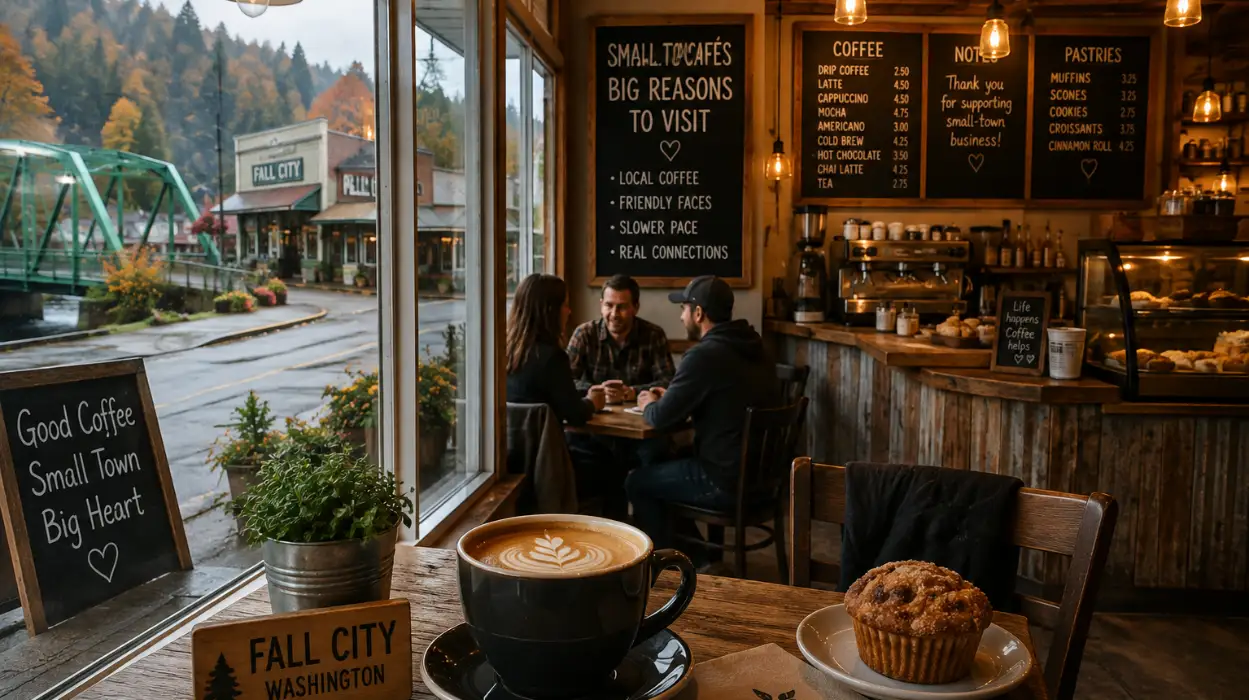
Fall City’s café scene stands out because it combines authentic small-town hospitality with the natural beauty of the Snoqualmie Valley. Unlike larger cities where coffee shops often cater to commuters, cafés here become gathering places for residents, cyclists, hikers, photographers, and weekend travelers exploring eastern King County.
The town sits near the junction of the Snoqualmie River and Raging River, creating a picturesque setting that naturally complements leisurely coffee breaks. Visitors often choose Fall City as a stop while traveling between Seattle, Snoqualmie, North Bend, Carnation, and the Cascade foothills.
Local businesses embrace the slower pace associated with Washington’s rural communities. Instead of rushing through a morning coffee, many visitors spend time enjoying outdoor seating, watching seasonal changes, or chatting with local residents. This slower rhythm aligns perfectly with travelers seeking authentic experiences beyond traditional tourist hotspots.
Because Fall City remains relatively small, walking between cafés, local boutiques, and community gathering spaces is easy. The compact downtown creates an inviting environment where visitors can experience local culture without navigating crowded commercial districts.
What Makes Fall City Washington Part of the Pacific Northwest Slow Coffee Culture?
Fall City represents the growing appeal of slow travel throughout western Washington. Rather than focusing on a packed sightseeing schedule, visitors often prioritize meaningful experiences that encourage relaxation and appreciation of local identity.
The surrounding forests, farmland, and river corridors contribute to a peaceful atmosphere rarely found in metropolitan areas. Travelers arriving from Seattle frequently notice the transition from busy highways to scenic country roads lined with evergreen trees, open fields, and mountain views.
Washington’s coffee culture is deeply rooted in craftsmanship, and Fall City reflects that tradition through independently operated cafés that emphasize quality over speed. While Seattle is internationally recognized for its coffee history, smaller communities like Fall City showcase another side of the state’s café identity—one centered on neighborhood connections, local conversations, and welcoming environments.

The changing seasons further strengthen this appeal. Crisp autumn mornings, colorful foliage, and cool temperatures naturally complement a quiet café visit, making Fall City especially attractive during fall weekend road trips.
Which Scenic Countryside Features Surround Fall City’s Café District?
One of Fall City’s greatest advantages is its location within one of King County’s most scenic rural landscapes. Visitors rarely travel here for coffee alone. Instead, cafés become natural starting points or relaxing stops during a broader countryside exploration.
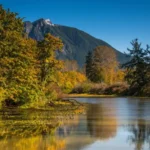
The nearby Snoqualmie Valley offers expansive farmland, rolling hills, and panoramic mountain scenery that changes dramatically throughout the year. During autumn, trees display vibrant shades of gold, orange, and crimson, creating picturesque driving routes throughout the valley.
The historic Fall City Bridge, spanning the Snoqualmie River, provides one of the area’s recognizable landmarks and offers excellent views of the surrounding landscape. Nearby walking areas allow visitors to appreciate the river environment before or after spending time at a local café.
Outdoor enthusiasts also appreciate Fall City’s proximity to destinations such as Snoqualmie Falls, Rattlesnake Lake, Mount Si, and Olallie State Park. Although these attractions lie outside the immediate downtown area, they contribute to the steady flow of weekend visitors who frequently include Fall City in their travel itinerary.
The combination of rural scenery, accessible outdoor recreation, and welcoming cafés creates a balanced visitor experience that appeals to photographers, couples, families, and solo travelers alike.
How Accessible Is Fall City from Seattle for a Relaxing Weekend Café Trip?
Fall City is one of the most accessible rural destinations for Seattle-area residents seeking a slower pace without committing to a lengthy journey.
Located approximately 30 miles east of downtown Seattle, the town can typically be reached in under an hour depending on traffic conditions. Access via Interstate 90 and State Route 202 makes Fall City a convenient destination for day trips, spontaneous weekend outings, and seasonal scenic drives.
Its location also makes it an ideal stopping point for travelers exploring nearby communities including Snoqualmie, North Bend, Carnation, Duvall, and Redmond. Instead of serving solely as a destination, Fall City functions as an important connection point within the broader Snoqualmie Valley travel corridor.
Visitors arriving by car benefit from relatively straightforward navigation, while cyclists often incorporate Fall City into longer rides through King County’s scenic backroads. The rural setting provides a refreshing contrast to Seattle’s urban environment without requiring extensive travel planning.
Because of its close proximity to major metropolitan areas, Fall City attracts repeat visitors throughout the year rather than only seasonal tourists.
What Can Visitors Expect During a Weekend in Fall City’s Small-Town Café Community?
Weekend visitors often discover that Fall City’s appeal extends beyond individual cafés. The town’s atmosphere encourages slower exploration, allowing travelers to appreciate local businesses, historic surroundings, and nearby natural landscapes.
Morning visits are particularly popular as cool air, river mist, and peaceful streets create an inviting environment for coffee enthusiasts. Throughout the day, cyclists, hikers, photographers, and families contribute to a lively yet relaxed atmosphere that remains distinctly different from larger Washington destinations.
Community events, seasonal markets, and agricultural activity also shape the visitor experience. Local farms surrounding Fall City reinforce the area’s rural identity, while nearby parks provide opportunities to extend a visit beyond downtown.
Autumn is especially rewarding because colorful foliage transforms roads leading into town. Scenic drives through the Snoqualmie Valley become part of the experience, making the journey nearly as memorable as the destination itself.
Visitors seeking quieter travel experiences often appreciate that Fall City avoids the commercial intensity found in larger tourism hubs while still providing convenient access to regional attractions.
How Does Fall City Connect to Other Scenic Destinations in King County?
Fall City’s strategic location makes it an excellent base for exploring eastern King County and the western Cascade foothills.
Travelers frequently combine a visit with Snoqualmie Falls, one of Washington’s most recognizable waterfalls, before continuing toward North Bend, where mountain scenery dominates the landscape. Others head toward Carnation, known for its agricultural heritage and countryside views, or continue north to Duvall for another charming small-town experience.
Nature lovers may choose nearby hiking destinations including Mount Si, Twin Falls Natural Area, or Olallie State Park, each offering opportunities to experience Washington’s forests, rivers, and waterfalls.
Because travel distances between these communities remain relatively short, visitors can comfortably explore multiple destinations within a single weekend while returning to Fall City for a quieter pace.
If you are visiting this area, you may also want to explore the Fall City Washington travel plans guide. It complements this café-focused itinerary by helping visitors discover broader travel experiences before or after enjoying the town’s coffee culture, making it useful for travelers planning a complete weekend in the Snoqualmie Valley.
When Is the Best Time to Visit Fall City Washington for Scenic Café Experiences?
Fall is widely considered one of the best seasons to experience Fall City’s café culture. Cooler temperatures, colorful foliage, and comfortable weather encourage visitors to enjoy both indoor cafés and outdoor countryside views.
September through November offers particularly scenic conditions as forests surrounding the Snoqualmie Valley display vibrant autumn colors. Seasonal photography opportunities increase, while rural roads become especially attractive for leisurely drives.
Spring also brings pleasant weather with blooming vegetation, flowing rivers, and lush green landscapes throughout King County. Summer provides longer daylight hours that pair well with outdoor recreation, while winter offers a quieter atmosphere for visitors seeking peaceful small-town experiences.
Regardless of season, weekdays generally provide a calmer environment, whereas weekends attract more visitors from Seattle and neighboring communities.
Frequently Asked Questions About Small-Town Cafés in Fall City Washington
Is Fall City Washington worth visiting for coffee lovers?
Yes. Fall City offers a relaxed rural coffee experience that differs from Seattle’s urban café scene. Visitors enjoy independently owned cafés, scenic countryside, and a welcoming small-town atmosphere surrounded by rivers and forests.
How far is Fall City from Seattle?
Fall City is approximately 30 miles east of downtown Seattle. Most visitors can reach the town in under an hour by car, making it an excellent destination for day trips and weekend getaways.
What makes Fall City different from other Washington café destinations?
Its rural setting, slower pace, proximity to the Snoqualmie Valley, and easy access to rivers, forests, and nearby scenic attractions create a distinctive experience focused on relaxation rather than busy tourism.
When is the best season to visit Fall City cafés?
Autumn is generally the most popular season due to colorful foliage, cool weather, and scenic countryside drives. Spring also offers beautiful landscapes and pleasant temperatures for exploring the town.
Can Fall City be combined with other nearby destinations?
Yes. Many travelers pair Fall City with Snoqualmie Falls, North Bend, Carnation, Duvall, Mount Si, and Olallie State Park, creating a well-rounded weekend itinerary across eastern King County.
Is Fall City suitable for a weekend slow travel itinerary?
Absolutely. Its quiet downtown, rural landscapes, locally owned cafés, and convenient location near Seattle make it ideal for visitors seeking a slower, more intentional travel experience.