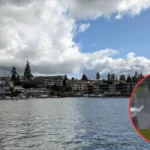

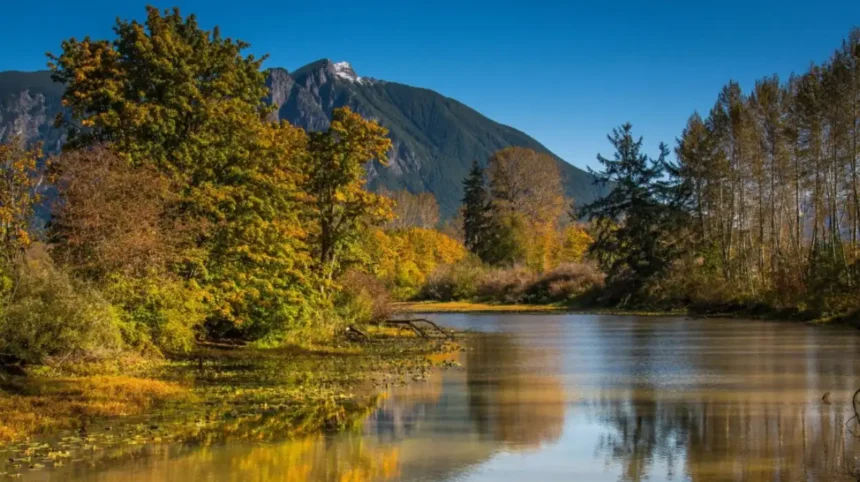
Fall City, Washington, is an unincorporated rural community in King County situated along the Snoqualmie River, approximately 26 miles east of downtown Seattle. Vacationers, day-trippers, and outdoor enthusiasts are increasingly adding Fall City to their Pacific Northwest itineraries due to its scenic river valley landscape, historic small-town atmosphere, and direct access to major outdoor recreational corridors. Positioned at the confluence of the Snoqualmie and Raging Rivers, Fall City serves as a central gateway to river rafting, road cycling, hiking, and nearby natural landmarks like Snoqualmie Falls.
What Makes Fall City Washington a Standout Destination for Scenic Small-Town Tourism?
Fall City stands out as a premier Pacific Northwest travel destination because it offers an authentic rural retreat without requiring long travel times from major urban centers. Nestled deep within the fertile agricultural landscape of the Snoqualmie Valley, the town preserves a slow-paced, historic character defined by tree-lined country roads, historic wooden architecture, and expansive river vistas. Unlike highly commercialized tourist hubs, Fall City prioritizes low-impact outdoor activities, pristine riverfront environments, and community-centered heritage.
The geographic identity of Fall City is anchored by its position along Washington State Route 202, a scenic highway corridor that connects the community to adjacent river towns like Snoqualmie and North Bend. The town lies in a river basin framed by the forested foothills of the Cascade Mountain Range, providing dramatic views of Mount Si and surrounding timber ridges. Visitors searching for peaceful countryside escapes find that Fall City delivers a rare balance of wilderness access, open farmland, and tranquil riverside ambiance.
How Is Fall City Geographically Positioned in the Lower Snoqualmie Valley?
Fall City occupies a flat alluvial valley floor where the Raging River empties into the main stem of the Snoqualmie River. This low-elevation valley setting generates a unique microclimate characterized by lush riparian habitats, fertile soils, and frequent morning river mist that adds to the town’s photographic appeal. The valley floor is surrounded by evergreen hills, commercial tree farms, and historic family ranches, ensuring that every drive into the town perimeter is lined with dense forest canopy and open green pastures.
What Are the Top Outdoor Attractions and Scenic Sights in Fall City Washington?
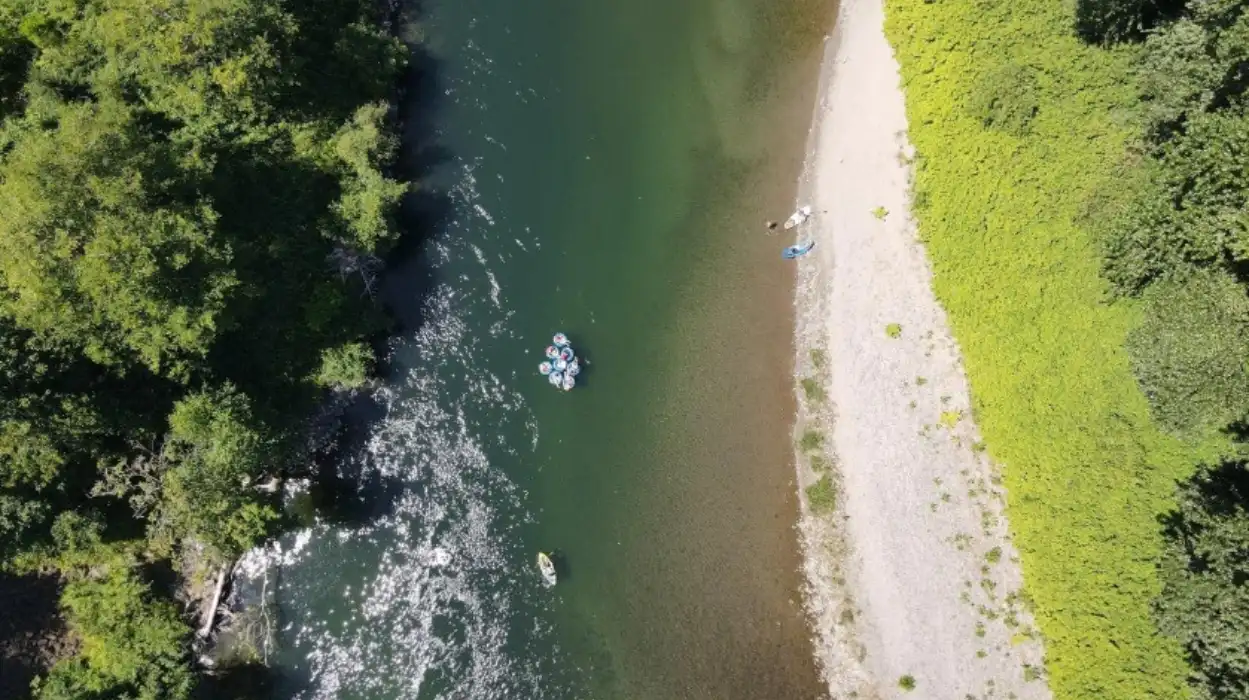
The primary attractions in Fall City, Washington, center around its natural waterways, scenic trail networks, and historic riverfront corridors. Outdoor enthusiasts flock to the community for river tubing, kayaking, fly fishing, road biking, and hiking along historic rail-trails. The surrounding physical geography provides direct access to diverse ecosystems ranging from fast-flowing mountain streams to calm valley river bends and dense evergreen forests.

+-------------------------------------------------------------------------------+
|                        FALL CITY RECREATIONAL CORRIDORS                       |
+------------------------------------+------------------------------------------+
| Recreation Area / Attraction       | Primary Activity & Visitor Experience    |
+------------------------------------+------------------------------------------+
| Snoqualmie River (Lower Reach)     | Summer Tubing, Kayaking, Fly Fishing     |
| Raging River Confluence            | Wade Fishing, Gravel Bar Picnicking      |
| Preston-Snoqualmie Trail           | Paved Road Cycling, Walking, Trail Running|
| Fall City Wall (Snoqualmie River)  | Cliff Views, River Overlook, Photography |
| Lake Alice & Tokul Creek Area      | Forest Hiking, Quiet Nature Walks        |
+------------------------------------+------------------------------------------+
Why Is the Confluence of the Snoqualmie and Raging Rivers a Primary Visitor Attraction?
The natural confluence of the Snoqualmie River and the Raging River forms the central geographic focal point of Fall City’s outdoor landscape. During summer months, the gentle currents of the Snoqualmie River attract thousands of visitors who launch inflatable tubes and kayaks from Fall City Community Park to float downstream toward Carnation. The gravel bars where the two rivers meet create ideal locations for wading, shore fishing, and quiet riverside relaxation, making it one of King County’s most popular warm-weather water destinations.
How Does Access to Nearby Snoqualmie Falls Enhance a Fall City Itinerary?
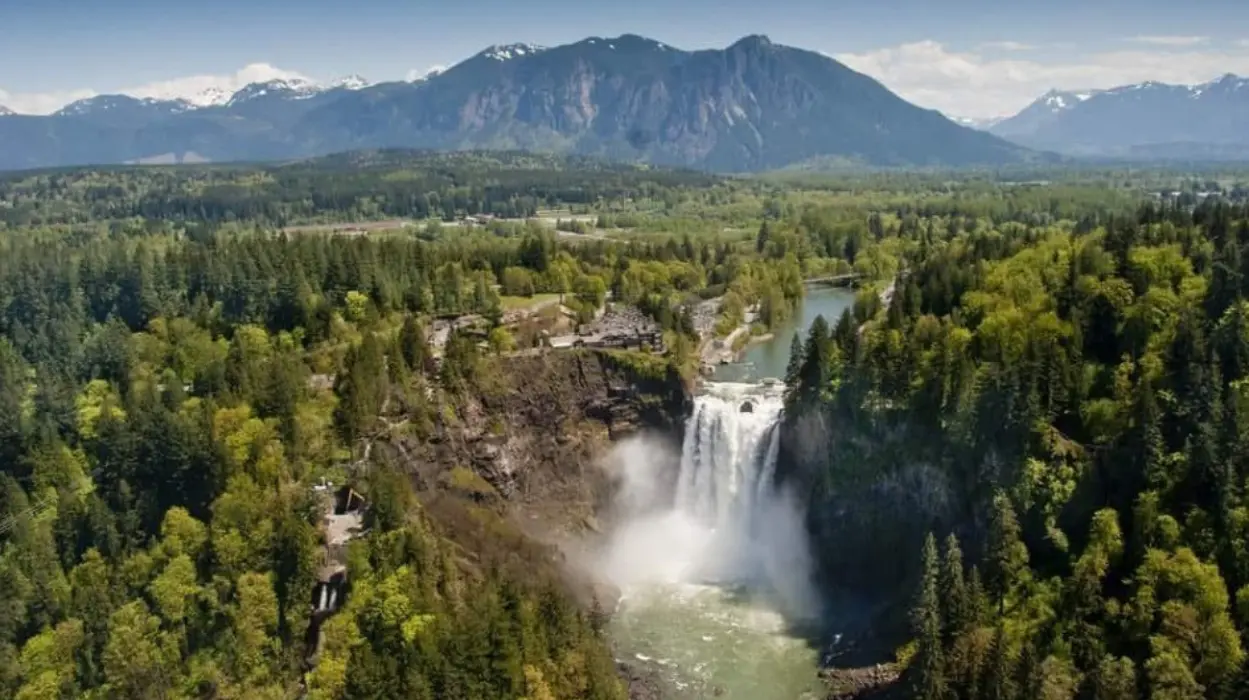
Fall City is located just three miles downstream from Snoqualmie Falls, one of Washington State’s most visited natural landmarks. The 268-foot waterfall drops over basalt cliffs into the Snoqualmie River canyon, generating misty spray plumes visible from surrounding overlooks. Staying in or passing through Fall City allows travelers to enjoy the dramatic waterfall scenery while retreating to the quiet, uncrowded river banks of Fall City for their primary lodging, walking, and river exploration.
When Is the Best Time of Year to Plan a Trip to Fall City Washington?
The best time to visit Fall City depends heavily on your planned activities, though summer (June through September) and early autumn (September through October) offer the most favorable weather conditions. Summer brings warm, dry weather ideal for river floating and outdoor sightseeing, while autumn introduces vibrant fall colors across the valley’s deciduous trees and farm fields.

- Summer Season (June – August): Peak season for river float trips, gravel bar swimming, open-air scenic driving, and long daylight hours. Temperatures average between 75°F and 85°F.
- Autumn Season (September – November): Excellent for fall foliage drives along State Route 202, pumpkin patch visits in the surrounding valley, salmon watching in local tributaries, and cooler trail hiking.
- Spring Season (March – May): High river flows powered by snowmelt make this the prime season for viewing roaring waterfalls and blooming wild vegetation, though water activities remain cold.
- Winter Season (December – February): Low-season quiet ideal for cozy misty valley drives, photography of snow-capped Cascade peaks, and winter wildlife viewing.
How Can Travelers Experience Fall City Washington as an Easy Day Trip from Seattle?
Fall City is one of the most accessible day-trip destinations for travelers based in Seattle, Bellevue, or the broader Puget Sound region. Located just off Interstate 90 via Highway 18 or State Route 202, the drive takes under 45 minutes from metropolitan centers, passing through transition zones of suburban woodland into sweeping rural farm valleys.
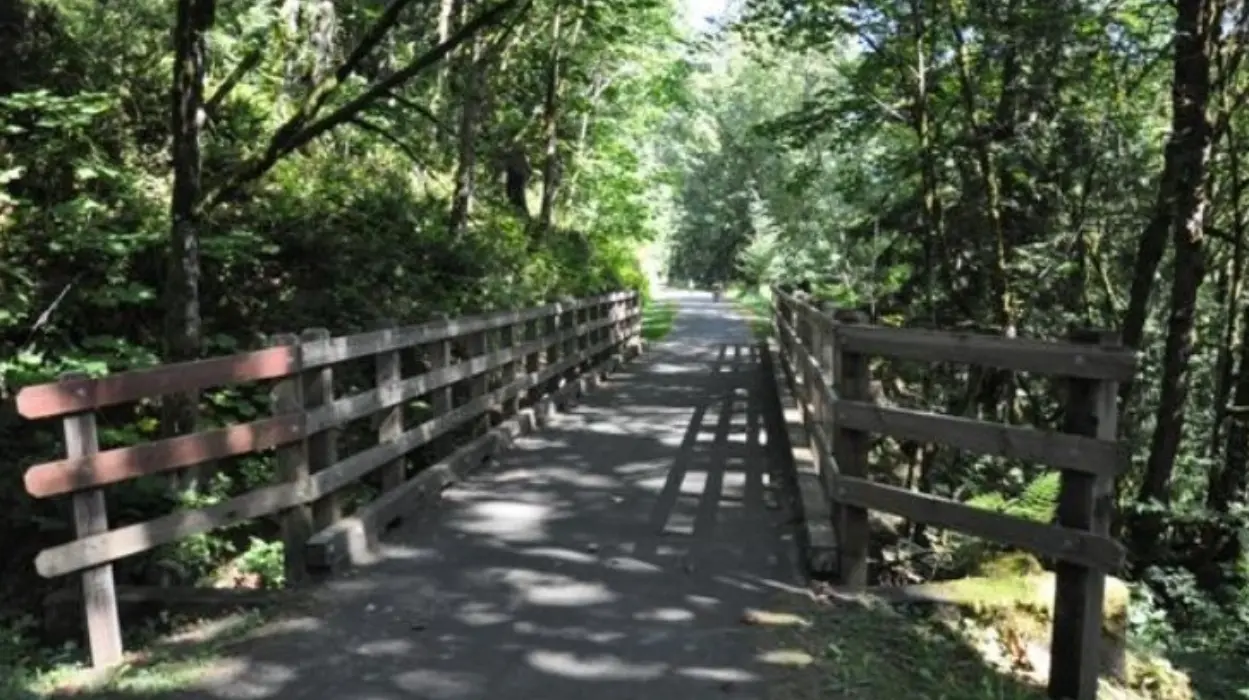
A typical single-day itinerary begins with a scenic drive along the Preston-Fall City Road, winding through evergreen corridors before descending into the river valley floor. Visitors often spend the morning walking along the paved Preston-Snoqualmie Trail, which leads to a scenic overlook of Snoqualmie Falls. The afternoon is best spent exploring Fall City Community Park, strolling along the riverbank wall, or driving east toward North Bend to take in views of the towering Mount Si wall.
Linking Your Travel Experience with Local Valley Dining
Exploring the scenic riverfronts and forest trails of the Snoqualmie Valley naturally builds up an appetite during a day of touring. To complete your trip itinerary, visitors frequently transition from morning trail walks and river floats into the historic center of town to recharge with artisanal coffee, scratch-made baked goods, and classic Pacific Northwest comfort dishes.
If you are visiting this area, you may also want to explore the best small-town cafés in Fall City Washington to discover top-rated espresso spots, historic dining establishments, and cozy lunch stops favored by local residents and valley travelers. Integrating local culinary stops into your sightseeing route allows you to experience the authentic community culture that makes this rural King County enclave so memorable.
Frequently Asked Questions About Visiting Fall City Washington
Where is Fall City located in Washington State?
Fall City is an unincorporated community in King County, Washington, situated in the Snoqualmie Valley along the Snoqualmie River. It lies approximately 26 miles east of Seattle, between the neighboring towns of Redmond, Snoqualmie, and Carnation along State Route 202.
What is Fall City Washington famous for?
Fall City is famous for its scenic river valley locations, summer river tubing on the Snoqualmie River, proximity to 268-foot Snoqualmie Falls, and historic rural small-town charm framed by views of the Cascade Mountain foothills.
How far is Fall City from Seattle?
Fall City is approximately 26 miles east of downtown Seattle. Under normal traffic conditions, driving between Seattle and Fall City takes between 35 and 45 minutes via Interstate 90 East and Washington State Route 202.
Can you go river tubing in Fall City Washington?
Yes, Fall City is one of Western Washington’s premier destinations for summer river floating. Visitors launch inflatable tubes and kayaks at Fall City Community Park and float down gentle stretches of the Snoqualmie River during warm summer months.
Are there hiking trails in Fall City Washington?
Yes, Fall City offers immediate access to the paved Preston-Snoqualmie Trail, nearby riverfront walking paths, and quick driving access to popular Cascade foothill hiking destinations including Mount Si, Rattlesnake Ledge, and Twin Falls.