
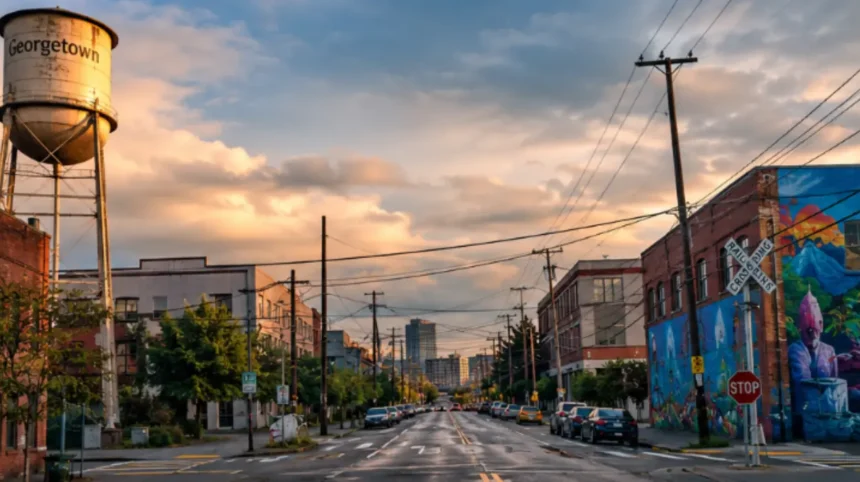
Georgetown is one of the most distinctive neighborhoods in King County, offering visitors a blend of industrial heritage, historic architecture, public art, aviation history, and creative culture that stands apart from Seattle’s better-known districts. Located south of Downtown Seattle along the Duwamish River corridor, Georgetown provides an authentic street-level experience filled with converted warehouses, colorful murals, historic brick buildings, independent galleries, and walkable streets that attract photographers, urban explorers, and history enthusiasts.
Unlike many commercial tourist destinations, Georgetown preserves its working-class identity while embracing modern art, small creative businesses, and cultural events. Visitors looking for a different perspective of Seattle often discover that Georgetown showcases another side of the city—one built on manufacturing, railroads, aviation, and local creativity.
What Makes Georgetown Seattle Different from Downtown Seattle?
The biggest difference between Georgetown and Downtown Seattle is its identity. While Downtown is known for skyscrapers, shopping districts, waterfront attractions, and business centers, Georgetown maintains a low-rise historic landscape where industrial history meets contemporary creativity.
Originally established before Seattle officially incorporated the neighborhood, Georgetown became one of the Pacific Northwest’s earliest industrial centers. Today, restored warehouses, early twentieth-century brick buildings, rail infrastructure, and artist studios coexist throughout the neighborhood.
Walking through Georgetown reveals architecture rarely found elsewhere in Seattle. Historic storefronts, metal bridges, warehouse districts, reclaimed industrial spaces, and colorful murals create a visual atmosphere unlike neighborhoods such as Capitol Hill, Pioneer Square, or South Lake Union.

Because commercial redevelopment has been more restrained here, Georgetown continues to feel authentic rather than heavily commercialized. Visitors often appreciate the slower pace, allowing them to notice architectural details, public art installations, and historic landmarks without large tourist crowds.
Why Is Georgetown Seattle a Great Place for a Street-Level Walking Experience?
Georgetown is designed for slow exploration rather than rushing between major attractions. Nearly every block offers something visually interesting, making the neighborhood particularly rewarding for people who enjoy walking.
The streets combine industrial textures with artistic expression. Brick warehouses display large-scale murals while older commercial buildings preserve architectural features dating back decades. Utility poles, railway crossings, painted walls, and vintage storefronts all contribute to Georgetown’s distinctive urban character.

Walking through Airport Way South introduces visitors to many of Georgetown’s recognizable buildings, local businesses, galleries, and creative spaces. Side streets reveal additional murals, converted industrial properties, and hidden architectural details that photographers often seek.
The neighborhood also includes several public gathering spaces where seasonal art events, outdoor markets, and community activities occasionally take place. Rather than following a strict sightseeing route, Georgetown rewards visitors who simply explore block by block.
This walkability supports travelers interested in architecture, industrial history, urban photography, and neighborhood discovery without requiring a packed itinerary.
What Art and Architecture Should Visitors Look for While Exploring Georgetown?

Georgetown has become one of Seattle’s strongest examples of industrial architecture blended with contemporary public art.
Large murals appear throughout the neighborhood, transforming warehouse walls into outdoor galleries. Unlike museum collections confined indoors, Georgetown’s artwork becomes part of the streetscape, making nearly every walk visually engaging.
Many artists intentionally incorporate Georgetown’s industrial identity into their work, using themes inspired by machinery, transportation, aviation, manufacturing, and local history.

Historic Brick Commercial Buildings
Many structures preserve their original facades from Georgetown’s early development period. Decorative brickwork, vintage signage, and restored storefronts help maintain the neighborhood’s historic identity.
Industrial Warehouses
Former manufacturing buildings have found new purposes as studios, creative offices, galleries, and workshops while maintaining their industrial character.
Railroad Infrastructure
Rail lines remain an important visual element throughout Georgetown, reminding visitors of the neighborhood’s long relationship with freight transportation and regional commerce.
Public Art Installations
Beyond murals, Georgetown includes sculptures, creative signage, painted utility boxes, and rotating art displays that reinforce its reputation as one of Seattle’s most creative neighborhoods.
This combination of architecture and public art creates an environment where every intersection feels visually different.
Which Historic Landmarks Add to Georgetown’s Identity?
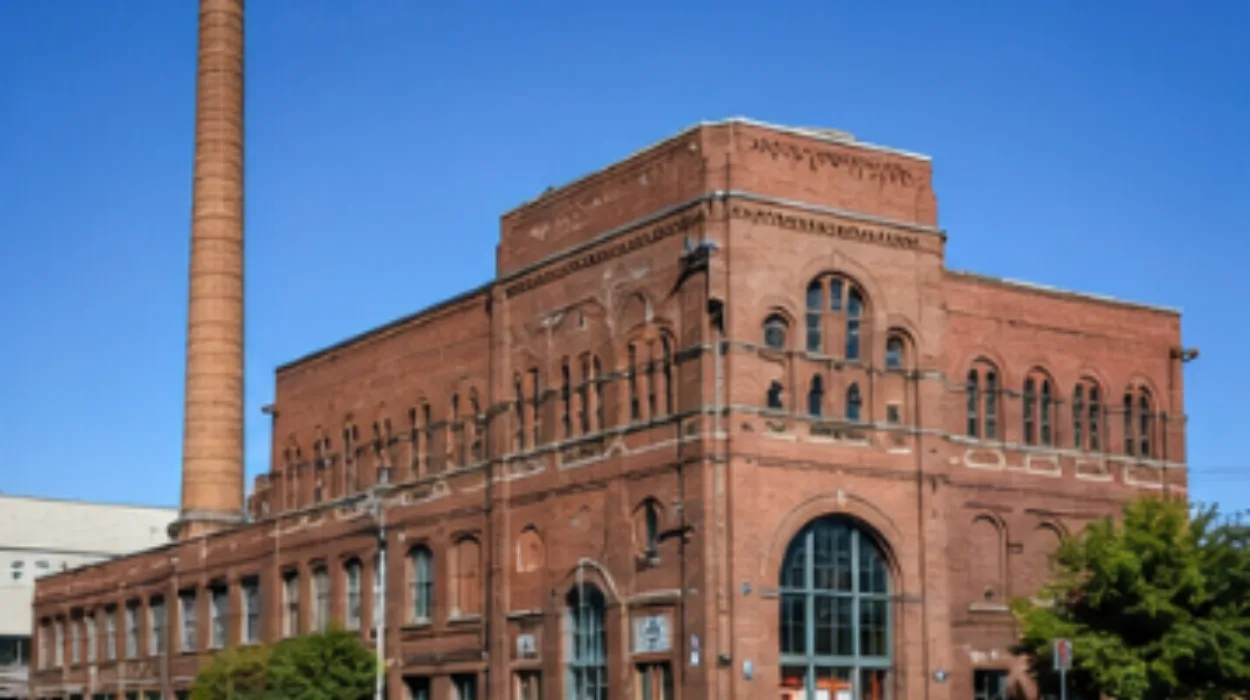
Georgetown’s importance extends beyond its architecture. Several historic sites explain how the neighborhood helped shape Seattle’s industrial development.
One of the most recognizable landmarks is the Georgetown Steam Plant, a preserved early twentieth-century power generation facility. Although no longer operating as a power plant, it represents an important chapter in regional engineering and industrial history.
Nearby, the Museum of Flight sits just outside the neighborhood and attracts visitors interested in aviation history. The museum displays historic aircraft, aerospace exhibits, flight simulators, and educational programs, making it one of the Pacific Northwest’s leading aviation attractions.
The Duwamish River also plays a central role in Georgetown’s history. For decades, the river supported manufacturing, transportation, shipping, and industry that influenced the growth of Seattle and King County.
Historic railway corridors, industrial bridges, and preserved commercial buildings continue telling Georgetown’s story long after many factories have disappeared.
These landmarks allow visitors to better understand how transportation, manufacturing, and engineering contributed to the region’s development.
When Is the Best Time to Visit Georgetown Seattle?
Georgetown can be visited throughout the year, but weather conditions and seasonal events influence the overall experience.
Spring offers comfortable walking temperatures and blooming streetscapes that soften the neighborhood’s industrial setting.
Summer remains the busiest season because longer daylight hours allow visitors to spend more time exploring murals, architecture, and outdoor public spaces. Many photographers also prefer summer for its consistent lighting conditions.
Autumn introduces colorful foliage that contrasts beautifully with Georgetown’s brick buildings and industrial structures, creating unique photography opportunities.
Winter brings fewer visitors, making it easier to enjoy quiet streets and architectural details without crowds, although rainy weather is common throughout Seattle during this season.
Morning visits generally provide softer natural light for photography and quieter streets, while afternoon and early evening allow visitors to experience Georgetown’s artistic atmosphere as galleries and creative businesses become more active.
How Safe Is Georgetown for Tourists Exploring on Foot?
Georgetown is generally considered safe for daytime exploration, especially around its main commercial streets, galleries, and public gathering areas. Like many urban neighborhoods, visitors should remain aware of their surroundings and follow standard city safety practices.
Staying on well-traveled streets, keeping valuables secure, and visiting during daylight or early evening hours provides a comfortable experience for most travelers.
Because Georgetown remains an active industrial neighborhood, visitors should also pay attention when crossing streets used by freight trucks and railway traffic.
Using designated crosswalks and remaining aware near industrial facilities helps ensure a safe walking experience.
Travelers interested in photography often carry expensive equipment, making basic awareness especially important while exploring quieter side streets.
Overall, Georgetown offers an enjoyable environment for independent travelers, couples, families, and photographers who follow normal urban travel precautions.
What Nearby Places Can Extend Your Georgetown Visit?
Georgetown connects easily with several nearby destinations that complement its industrial and artistic atmosphere.
The Museum of Flight provides one of the world’s largest collections of aviation history and can easily occupy several additional hours.
The Duwamish River Trail offers opportunities to observe Seattle’s maritime and industrial landscape from another perspective.
Visitors can also continue toward SoDo, where sports venues, industrial art spaces, and transportation history expand the exploration of southern Seattle.
Downtown Seattle remains only a short drive away, allowing travelers to combine Georgetown’s historic industrial identity with iconic attractions like Pike Place Market, the Seattle Waterfront, and the Space Needle during the same day.
This makes Georgetown an excellent addition to broader King County sightseeing itineraries rather than a standalone stop.
Where Can You Find Food and Coffee After Exploring Georgetown?
After walking through Georgetown’s historic streets, many visitors look for places to relax with coffee or enjoy a local meal.
If you’re visiting this area, you may also want to explore our guide to Georgetown Seattle restaurants and coffee shops. It complements this travel guide by helping visitors discover local cafés, casual dining options, and neighborhood eateries after completing their sightseeing experience. This pairing satisfies travelers looking to combine urban exploration with memorable local dining.
Frequently Asked Questions About Visiting Georgetown Seattle
Is Georgetown Seattle worth visiting?
Yes. Georgetown offers a unique combination of industrial history, public art, historic architecture, and walkable streets that provide a very different experience from Downtown Seattle.
How much time should you spend in Georgetown?
Most visitors spend two to four hours exploring the neighborhood, photographing murals, visiting landmarks, and walking through historic streets. Adding nearby attractions can easily extend the visit to a full day.
Is Georgetown Seattle good for photography?
Absolutely. Historic warehouses, murals, brick architecture, railway infrastructure, industrial textures, and creative public art make Georgetown one of Seattle’s best neighborhoods for urban photography.
What makes Georgetown historically important?
Georgetown played a significant role in Seattle’s industrial growth through manufacturing, transportation, aviation, and railway development. Many preserved buildings continue reflecting this important heritage.
Can Georgetown be visited without a car?
Yes. Public transportation, rideshare services, cycling routes, and walkable streets make Georgetown accessible for many visitors, although combining it with nearby attractions may require additional transportation planning.
Georgetown stands apart as one of King County’s most authentic urban destinations, offering visitors a rare opportunity to experience Seattle’s industrial heritage, creative culture, historic architecture, and street-level exploration in one compact neighborhood. Its preserved warehouses, public art, aviation connections, and walkable streets provide a refreshing alternative to traditional tourist districts. Whether your interests include photography, architecture, history, or discovering neighborhoods beyond the city’s iconic landmarks, Georgetown rewards curiosity with experiences that reveal an important and often overlooked side of Seattle.