

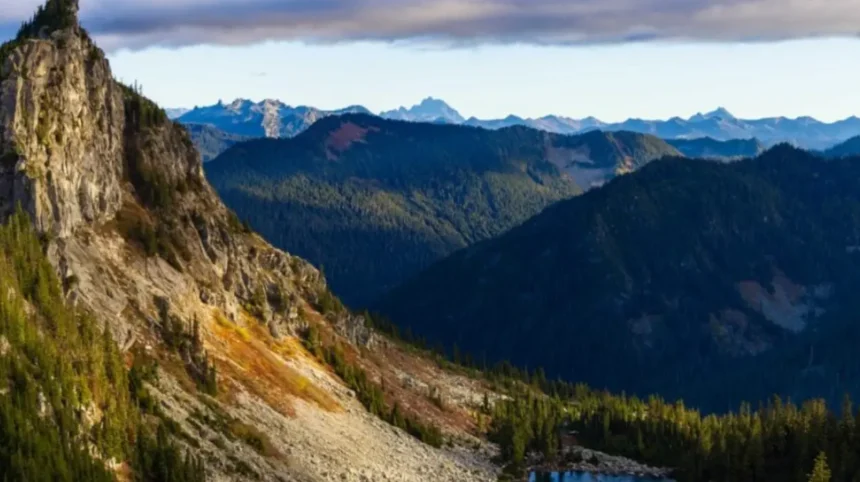
Issaquah is one of the most rewarding small-city destinations in King County, Washington, for travelers seeking a combination of historic charm, outdoor access, cultural attractions, and a relaxed Pacific Northwest atmosphere. Located about 17 miles east of Seattle, Issaquah offers easy access to mountain landscapes, walking trails, local history sites, and community-focused downtown experiences without the crowds often found in larger tourist destinations.
Visitors can comfortably explore Issaquah as a half-day trip from Seattle or as a full-day destination that combines sightseeing, nature, and cultural discovery. Its location near the foothills of the Cascade Range makes it a convenient gateway to some of the region’s most recognizable natural areas while maintaining the character of a walkable small city.
What Should Visitors Explore in Historic Downtown Issaquah?
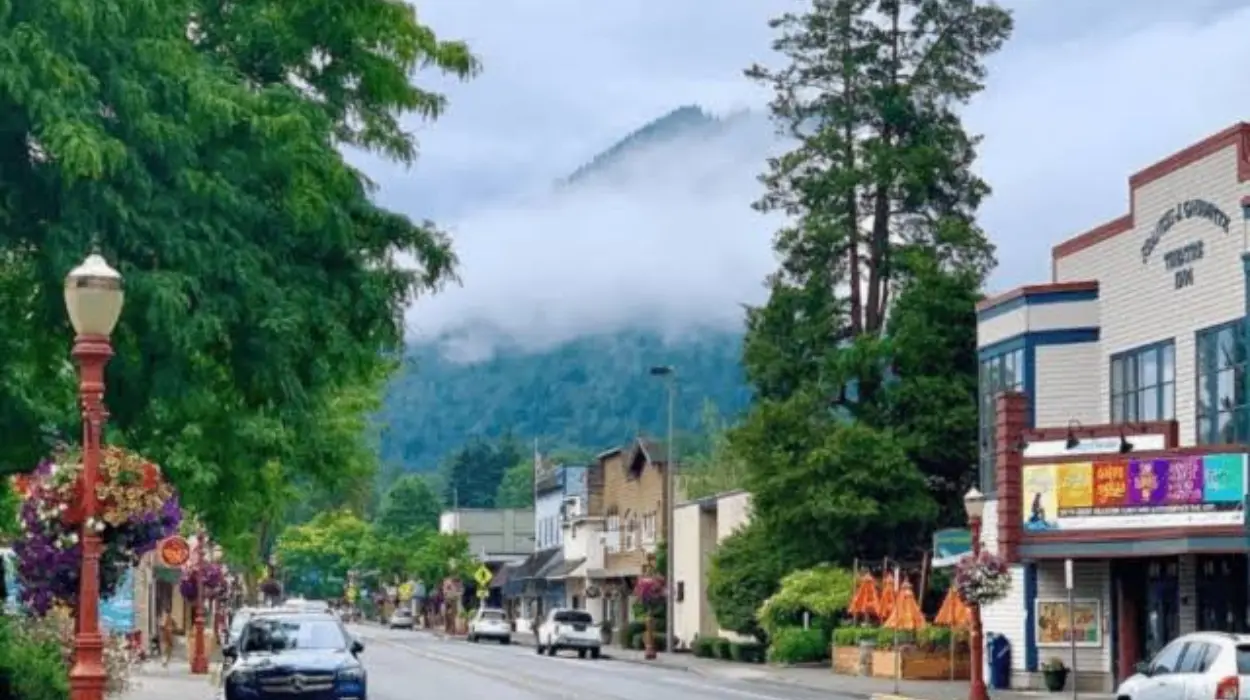
Historic Downtown Issaquah serves as the heart of the city and is often the first stop for travelers arriving from Seattle or other parts of King County. The district preserves much of the community’s heritage while offering a welcoming environment for sightseeing and casual exploration.
Visitors can stroll along Front Street North, where historic buildings, public art installations, and locally owned businesses create a distinctly Northwest atmosphere. The area reflects Issaquah’s development from a mining and timber community into one of the most desirable small cities in the Seattle metropolitan region.
One of the most notable landmarks in downtown is the Issaquah Train Depot. Originally part of the region’s railway network, the depot now functions as a historical attraction that helps visitors understand the transportation history that contributed to the growth of the city.

Downtown also provides convenient access to civic spaces, seasonal events, and cultural institutions, making it an ideal starting point for first-time visitors looking to understand the local identity of Issaquah.
Why Do Tourists Visit the Issaquah Salmon Hatchery?
The Issaquah Salmon Hatchery is one of the city’s most recognized attractions and offers a unique educational experience in the Pacific Northwest. Located near downtown, the hatchery allows visitors to observe the lifecycle of salmon while learning about regional conservation efforts.
The site plays an important role in maintaining salmon populations throughout Washington State and has become a significant attraction for travelers interested in local ecology. During salmon migration season, visitors can witness spawning salmon returning through local waterways, creating one of the area’s most memorable wildlife experiences.

Interpretive displays explain how salmon contribute to the ecosystem and why they remain culturally and environmentally important throughout the Pacific Northwest. Families, photographers, and nature enthusiasts frequently include the hatchery in their Issaquah itineraries because of its accessibility and educational value.
The hatchery also connects visitors to broader environmental themes that shape life throughout King County and the greater Seattle region.
What Outdoor Experiences Make Issaquah a Nature Gateway Near Seattle?
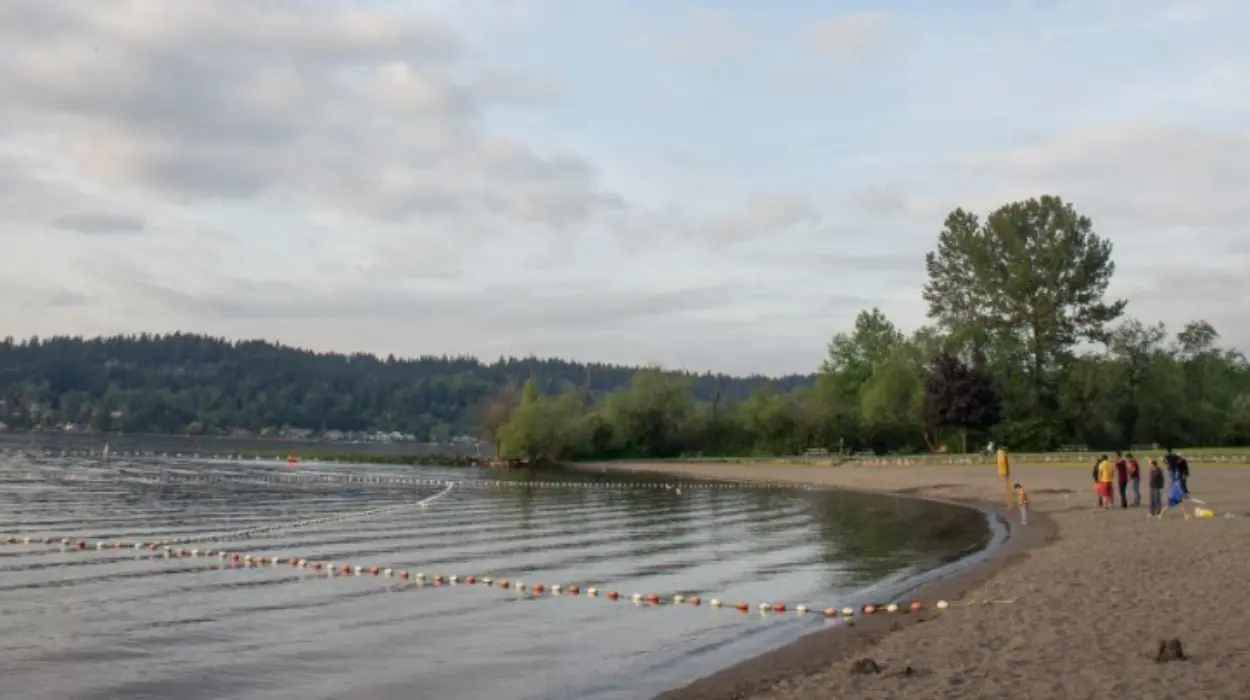
One of Issaquah’s strongest tourism advantages is its immediate access to natural landscapes. The city sits near several popular outdoor recreation areas that attract hikers, walkers, photographers, and day-trippers throughout the year.
Tiger Mountain State Forest is among the most visited outdoor destinations near Issaquah. The forest contains extensive trail systems that offer views of the surrounding foothills, forests, and valleys. Visitors can choose routes that range from beginner-friendly walks to more demanding hikes.
Another major outdoor attraction is Cougar Mountain Regional Wildland Park. This protected natural area features forests, wildlife habitats, and interconnected trails that allow visitors to experience the natural environment of western Washington without traveling far from urban amenities.
Lake Sammamish State Park also provides recreational opportunities nearby. The park offers shoreline access, open green spaces, walking paths, and seasonal activities that appeal to visitors seeking a more relaxed outdoor experience.

Because these natural attractions are located within a short distance of downtown Issaquah, travelers can easily combine sightseeing with outdoor recreation during the same visit. This accessibility contributes significantly to the city’s growing popularity among regional tourists.
How Does Issaquah Preserve Its Cultural and Historical Identity?
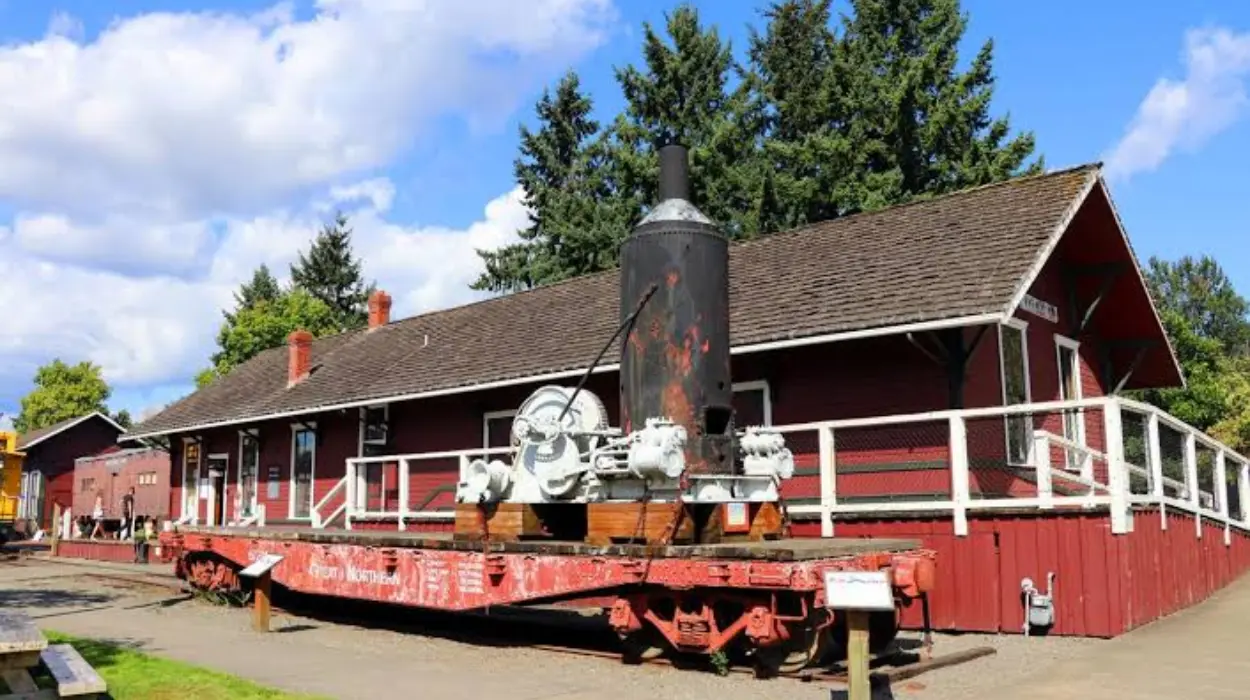
Despite its modern growth, Issaquah continues to maintain a strong connection to its historical roots. Cultural and historical attractions help visitors understand how the city evolved over time and why it remains an important part of King County.
The Issaquah History Museums provide valuable insight into local industries, including coal mining, logging, and rail transportation. Through exhibits, photographs, and preserved artifacts, visitors can explore the stories that shaped the community.
Another important cultural institution is Village Theatre. Recognized throughout the Pacific Northwest, the theater hosts professional productions that attract audiences from across the Seattle metropolitan area. Travelers interested in performing arts often schedule evening visits around theater performances.
Public art installations, community events, and seasonal festivals further reinforce Issaquah’s identity as a city that values both heritage and contemporary culture. These experiences help create a destination that feels authentic rather than purely tourism-focused.
What Is the Best Way to Experience Issaquah as a Half-Day or Full-Day Visitor?
A half-day visit to Issaquah typically begins in Historic Downtown Issaquah, followed by a stop at the Issaquah Salmon Hatchery and a short walk through nearby public spaces. This itinerary allows travelers to experience the city’s historical, cultural, and environmental highlights within a few hours.
For a full-day visit, travelers can expand their itinerary by including outdoor destinations such as Tiger Mountain State Forest, Cougar Mountain Regional Wildland Park, or Lake Sammamish State Park. This combination creates a balanced experience that showcases both the urban and natural characteristics of the area.
Morning visitors often enjoy exploring downtown before heading to nearby parks, while afternoon visitors may choose to begin with outdoor recreation and finish their day with cultural attractions and historic sites.
The compact nature of Issaquah makes transportation between attractions relatively simple, reducing travel time and increasing opportunities for exploration.
How Accessible Is Issaquah From Seattle and Other King County Destinations?
Issaquah is one of the most accessible day-trip destinations near Seattle. The city is connected to the metropolitan area through Interstate 90, making travel convenient for both local residents and visitors staying in Seattle.
Most travelers can reach Issaquah in approximately 20 to 30 minutes depending on traffic conditions. This proximity allows visitors to experience a different side of King County without committing to a lengthy journey.
The city also serves as a practical base for exploring other nearby destinations, including Snoqualmie, Bellevue, Lake Sammamish, and portions of the Cascade foothills. These regional connections strengthen Issaquah’s role as both a standalone destination and a gateway to broader travel experiences throughout western Washington.
Visitors seeking a quieter alternative to downtown Seattle often appreciate Issaquah’s slower pace, scenic surroundings, and community-focused atmosphere.
Where Can Visitors Learn More About Local Dining During Their Trip?
Travelers often combine sightseeing with local dining experiences while exploring Issaquah. If you are visiting this area, you may also want to explore our guide to Issaquah brunch and coffee spots.
This companion resource complements the travel experience by helping visitors discover cafés, coffee shops, and breakfast locations that fit naturally into a day of sightseeing. It satisfies dining-focused search intent for travelers looking for convenient places to relax before or after exploring downtown Issaquah, local parks, and cultural attractions.
What Atmosphere Can Travelers Expect in Issaquah?
Issaquah offers a distinctly Pacific Northwest atmosphere characterized by forested surroundings, mountain views, historic streets, and strong community connections. Unlike larger urban destinations, the city emphasizes accessibility, outdoor recreation, and local heritage.
Visitors frequently describe the environment as welcoming, walkable, and balanced between nature and modern amenities. This combination appeals to travelers seeking authentic regional experiences while remaining close to Seattle.
The city’s location between urban centers and natural landscapes allows tourists to experience multiple aspects of Washington State culture within a single destination. Whether exploring historic downtown, visiting cultural attractions, or accessing nearby wilderness areas, visitors encounter a destination that reflects the broader identity of King County and the Pacific Northwest.
Frequently Asked Questions About Visiting Issaquah, Washington
Is Issaquah worth visiting on a day trip from Seattle?
Yes. Issaquah is one of the most convenient day-trip destinations from Seattle. Visitors can explore historic downtown, outdoor recreation areas, cultural attractions, and environmental sites within a short drive from the city.
What is Issaquah most famous for?
Issaquah is best known for the Issaquah Salmon Hatchery, Historic Downtown Issaquah, nearby mountain recreation areas, and its location at the gateway to the Cascade foothills.
How far is Issaquah from Seattle?
Issaquah is approximately 17 miles east of Seattle. Travel times typically range from 20 to 30 minutes by car depending on traffic conditions and departure location.
Can visitors explore Issaquah without hiking?
Yes. While hiking opportunities are popular, visitors can enjoy downtown attractions, museums, the salmon hatchery, public art, historic landmarks, and cultural venues without participating in outdoor recreation.
What is the best season to visit Issaquah?
Spring, summer, and fall are especially popular because of comfortable weather and scenic outdoor conditions. Fall also provides opportunities to observe salmon migration activity at the hatchery.
Is Issaquah family-friendly?
Yes. Attractions such as the salmon hatchery, parks, historical sites, and cultural venues make Issaquah a family-friendly destination suitable for visitors of different ages.










Each phrase carries weight without heaviness. There is a gentle gravitas, a sense that every word contributes to a larger, thoughtful pattern.