
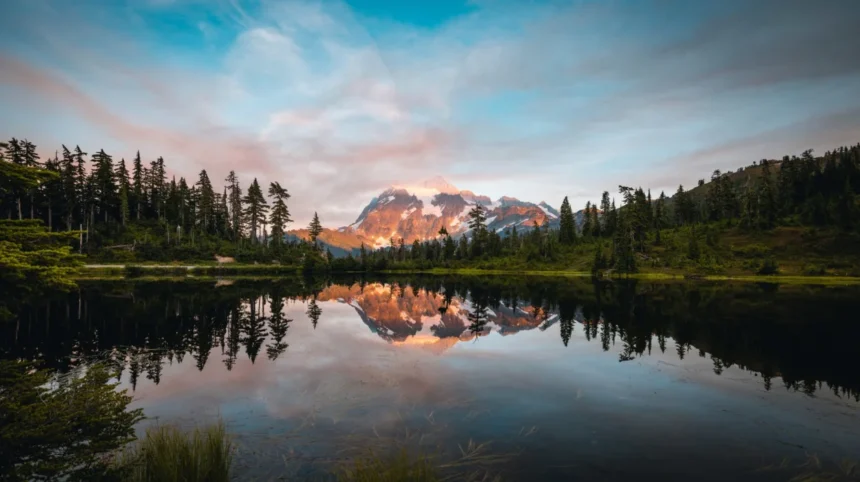
Lake Washington is one of the most significant natural landmarks in King County, Washington, offering a diverse mix of waterfront scenery, urban skylines, mountain backdrops, public shoreline access, and year-round photography opportunities. Stretching between Seattle, Bellevue, Kirkland, Renton, and several lakeside communities, the lake serves as both a geographic centerpiece and a scenic destination for visitors seeking views, outdoor exploration, and regional landscapes.
What Makes Lake Washington One of the Most Important Geographic Features in King County?
Lake Washington is the largest natural lake in King County and the second-largest natural lake in Washington State. Positioned east of Seattle and west of Bellevue, it forms a defining geographic boundary that influences transportation, recreation, urban development, and regional ecology.
The lake extends for more than 20 miles and connects to Lake Union through the Lake Washington Ship Canal, creating an important waterway within the Seattle metropolitan area. Its shoreline includes residential neighborhoods, public parks, beaches, marinas, and nature areas that collectively create one of the Pacific Northwest’s most recognizable landscapes.
From a scenic perspective, Lake Washington stands out because it combines natural and urban elements. Visitors can view the Olympic Mountains, Cascade Range, downtown Seattle skyscrapers, forested shorelines, and expansive open water from a single vantage point depending on location and weather conditions.
The lake also plays an important role in local recreation, attracting kayakers, boaters, walkers, photographers, and sightseers throughout the year.

Where Can Visitors Find the Best Waterfront Viewpoints Around Lake Washington?
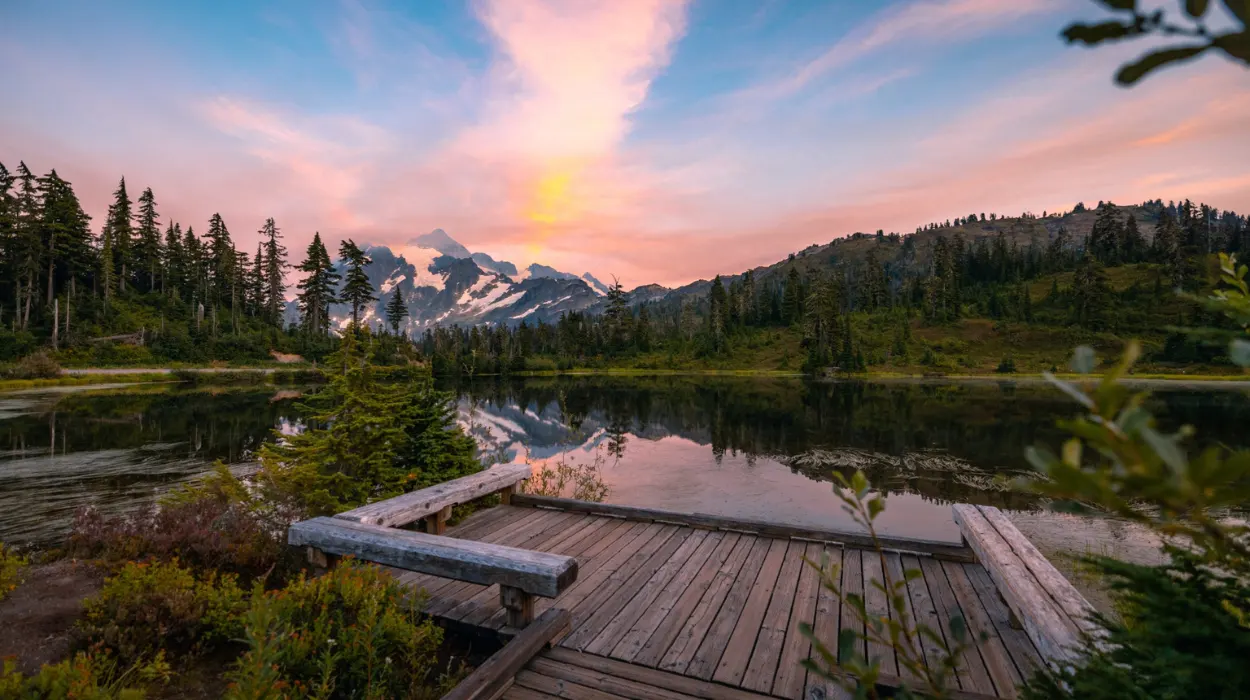
Lake Washington offers numerous shoreline locations where visitors can experience panoramic water views and regional scenery. These viewpoints vary from urban waterfront parks to quieter natural shoreline areas.
Why Is Gene Coulon Memorial Beach Park a Popular Scenic Access Point?
Located in Renton, Gene Coulon Memorial Beach Park provides extensive waterfront access, walking paths, fishing areas, and open views across the lake. The park’s shoreline creates opportunities to observe changing light conditions throughout the day while enjoying unobstructed lake vistas.
The combination of public accessibility and expansive water views makes this location a valuable scenic destination for visitors exploring the southern portion of Lake Washington.

What Makes Kirkland’s Waterfront Especially Photogenic?
The city of Kirkland features a well-developed waterfront corridor with parks, marinas, public spaces, and pedestrian-friendly pathways. Locations such as Marina Park, David E. Brink Park, and surrounding shoreline areas provide sweeping views toward Seattle and the western shoreline.
Photographers often favor Kirkland because changing weather patterns frequently create dramatic reflections, colorful sunsets, and seasonal scenery along the water.
How Does Bellevue Offer Scenic Lake Washington Perspectives?
The Bellevue shoreline provides unique viewpoints where visitors can observe the lake while remaining close to urban amenities. Waterfront parks and shoreline trails offer clear perspectives toward Seattle, especially during sunrise and evening hours.
The contrast between modern city architecture and natural waterfront landscapes contributes to Bellevue’s appeal as a scenic observation area.
How Do Lake Washington Bridges Create Some of the Region’s Most Impressive Skyline Views?
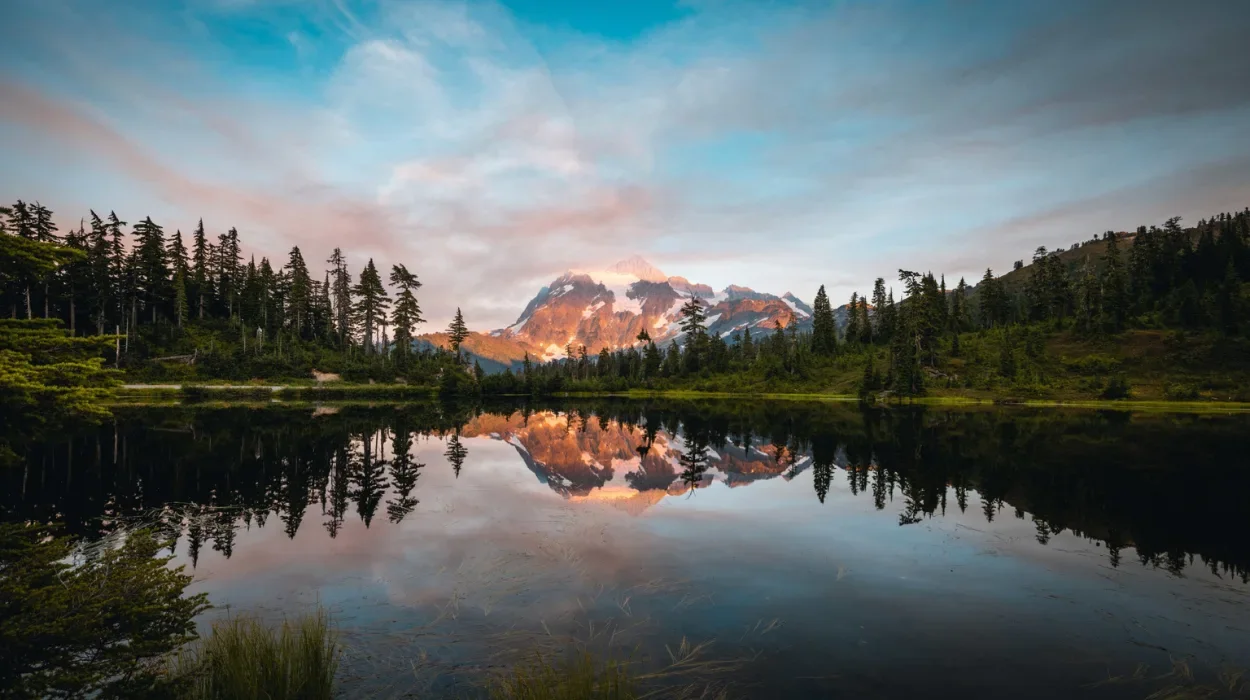
Lake Washington’s floating bridges are among the most distinctive transportation structures in the United States. Beyond their engineering significance, they also create exceptional scenic viewpoints.
Why Is the Evergreen Point Floating Bridge Important for Scenic Exploration?
The Evergreen Point Floating Bridge (SR 520 Bridge) connects Seattle and Bellevue across Lake Washington. As the world’s longest floating bridge, it provides elevated views of open water, surrounding communities, and distant mountain ranges.

Travelers crossing the bridge frequently experience wide-angle perspectives that highlight the scale of Lake Washington and the surrounding metropolitan landscape.
What Views Can Be Seen from the Lacey V. Murrow and Homer M. Hadley Bridges?
The Lacey V. Murrow Bridge and Homer M. Hadley Bridge, carrying Interstate 90 traffic across the lake, offer impressive perspectives toward downtown Seattle and the Eastside communities.
On clear days, visitors can observe portions of the Seattle skyline, nearby shorelines, and distant mountain scenery. The bridges demonstrate how Lake Washington serves as both a natural landmark and a central transportation corridor.
How Does the Seattle Skyline Enhance Lake Washington’s Scenic Appeal?
Many shoreline viewpoints around the western side of Lake Washington frame the Seattle skyline against the backdrop of water and mountains. This combination creates a uniquely Pacific Northwest visual experience.
Morning light often highlights skyscrapers and waterfront districts, while evening conditions can produce dramatic reflections and city illumination visible from shoreline parks and observation points.
How Does Lake Washington Change Throughout the Seasons?
Lake Washington offers distinct scenic experiences during every season, making it a year-round destination for sightseeing and photography.
What Does Lake Washington Look Like During Spring?
Spring introduces blooming trees, fresh greenery, and improving weather conditions around the lake. Parks throughout Seattle, Bellevue, Kirkland, and Renton become increasingly vibrant as vegetation emerges following winter.
The season also creates favorable lighting conditions for landscape photography, particularly during early morning hours.
Why Is Summer the Most Popular Time to Experience the Lake?
Summer brings warmer temperatures, clearer skies, and increased recreational activity. Boating, paddleboarding, kayaking, and shoreline walking become especially popular.
Visitors often enjoy uninterrupted views of surrounding mountains and urban landmarks during periods of stable weather. Extended daylight hours further enhance opportunities for sightseeing and photography.
What Scenic Features Define Autumn Around Lake Washington?
Autumn introduces colorful foliage throughout waterfront parks and residential shoreline areas. Shades of red, orange, and gold contrast with the blue water, creating visually striking landscapes.
The season is particularly attractive for photographers seeking vibrant natural color and reduced summer crowds.
How Does Winter Create a Different Visual Experience?
Winter conditions can produce atmospheric scenes characterized by mist, cloud formations, dramatic skies, and changing light patterns. While visibility varies, clear winter days may reveal particularly sharp mountain views.
The season highlights the Pacific Northwest’s dynamic weather patterns and offers a quieter experience for visitors interested in landscape observation.
Where Can Visitors Access Public Shorelines and Scenic Walking Areas Around Lake Washington?
Public shoreline access is an important aspect of Lake Washington’s appeal. Numerous parks and recreation areas allow visitors to enjoy waterfront scenery without requiring private property access.
Why Are Waterfront Parks Important for Scenic Exploration?
Parks provide accessible locations where visitors can experience the lake from multiple perspectives. Walking paths, observation points, beaches, and open green spaces create opportunities to appreciate the area’s natural beauty.
Communities surrounding Lake Washington have invested significantly in maintaining public access, helping residents and visitors engage with the lake environment.
How Do Shoreline Trails Enhance the Visitor Experience?
Many shoreline areas include pedestrian pathways that allow visitors to explore different viewpoints over relatively short distances. Walking routes often connect parks, beaches, marinas, and observation areas.
These trails support a more immersive experience by allowing visitors to observe changing scenery, wildlife activity, and waterfront landscapes throughout the day.
What Role Do Community Waterfront Areas Play?
Community waterfront spaces in Seattle, Bellevue, Kirkland, and Renton create gathering points for recreation and sightseeing. These areas often feature seating, viewing platforms, and open spaces that encourage visitors to spend time appreciating the scenery.
The combination of accessibility and visual appeal contributes to Lake Washington’s popularity as a regional destination.
Why Is Lake Washington a Prime Destination for Landscape and Travel Photography?
Lake Washington offers exceptional photographic diversity due to its combination of water, mountains, urban skylines, bridges, and seasonal variation.
What Types of Scenic Photography Are Most Popular?
Landscape photography remains one of the most common activities around the lake. Popular subjects include waterfront sunsets, skyline reflections, floating bridges, marina scenes, and mountain backdrops.
Nature photographers also document shoreline vegetation, waterfowl, and changing seasonal conditions throughout the year.
When Are the Best Lighting Conditions for Photography?
Early morning and late afternoon generally provide the most favorable natural lighting. Sunrise often creates calm water reflections, while sunset can illuminate the lake with warm colors and dramatic skies.
Weather changes also contribute to unique visual opportunities, especially when clouds, fog, or shifting light patterns interact with the surrounding landscape.
How Do Bridges and Skylines Improve Visual Composition?
The floating bridges introduce strong architectural elements into landscape photographs, while Seattle’s skyline provides recognizable urban context. These features help create balanced compositions that combine natural and built environments.
As a result, photographers can capture a wide variety of images without traveling far from the lake’s shoreline.
What Nearby Travel Experiences Complement a Scenic Visit to Lake Washington?
Visitors exploring Lake Washington often combine sightseeing with other regional experiences in Seattle, Bellevue, Kirkland, and Renton. The lake’s central location makes it an ideal starting point for broader exploration throughout King County.
If you are visiting this area, you may also want to explore best lakeside restaurants around Lake Washington.
This complementary resource helps satisfy dining-focused user intent by highlighting places where visitors can enjoy waterfront meals, cafés, and local dining experiences after spending time exploring the lake’s scenic viewpoints, shoreline parks, and photography locations.
Frequently Asked Questions About Lake Washington Scenic Exploration
What is Lake Washington known for?
Lake Washington is known for its large size, scenic waterfronts, floating bridges, public shoreline parks, mountain views, and proximity to Seattle and Bellevue. It serves as one of King County’s most recognizable natural landmarks and recreational destinations.
Where are the best views of Lake Washington?
Popular viewpoints can be found in Kirkland, Bellevue, Renton, and various Seattle shoreline locations. Waterfront parks, beaches, and bridge crossings provide some of the most expansive perspectives of the lake and surrounding region.
When is the best time to visit Lake Washington for sightseeing?
Summer offers the clearest weather and longest daylight hours, while spring and autumn provide attractive seasonal scenery. Winter can also be rewarding for visitors interested in dramatic skies and changing atmospheric conditions.
Can visitors access Lake Washington without a boat?
Yes. Numerous public parks, beaches, waterfront trails, and observation areas provide shoreline access throughout King County. Visitors can enjoy scenic views and photography opportunities without using a boat.
Is Lake Washington good for photography?
Lake Washington is one of the best photography destinations in the Seattle metropolitan area. The combination of water, bridges, skylines, mountains, and seasonal landscapes provides diverse photographic subjects year-round.
What cities surround Lake Washington?
Major cities surrounding Lake Washington include Seattle, Bellevue, Kirkland, and Renton. Several smaller waterfront communities and neighborhoods also border the lake and contribute to its scenic character.