
Pioneer Square is Seattle’s original neighborhood and the city’s most significant historic district, located in the heart of downtown Seattle in King County, Washington. For visitors seeking Underground Seattle history, preserved late-19th-century architecture, cultural landmarks, public art, and walkable urban exploration, Pioneer Square offers the most comprehensive look at how Seattle evolved from a frontier settlement into a major Pacific Northwest city.
Recognized for its Romanesque Revival buildings, historic streetscapes, cultural institutions, and preservation efforts, Pioneer Square serves as both a living neighborhood and an open-air history museum. Visitors can explore underground passageways, historic squares, art galleries, architectural landmarks, and waterfront connections while gaining insight into Seattle’s development following the Great Seattle Fire of 1889.
What Is Pioneer Square and Why Is It Considered the Historic Heart of Seattle?
Pioneer Square is the oldest neighborhood in Seattle and the location where the city was originally established in the 1850s. The district occupies the southern portion of downtown Seattle near Elliott Bay and remains one of the most historically significant urban areas in Washington State.
The neighborhood gained national recognition after extensive preservation efforts protected its historic structures from demolition during the twentieth century. Today, the Pioneer Square Historic District contains dozens of preserved buildings that showcase Seattle’s architectural heritage.
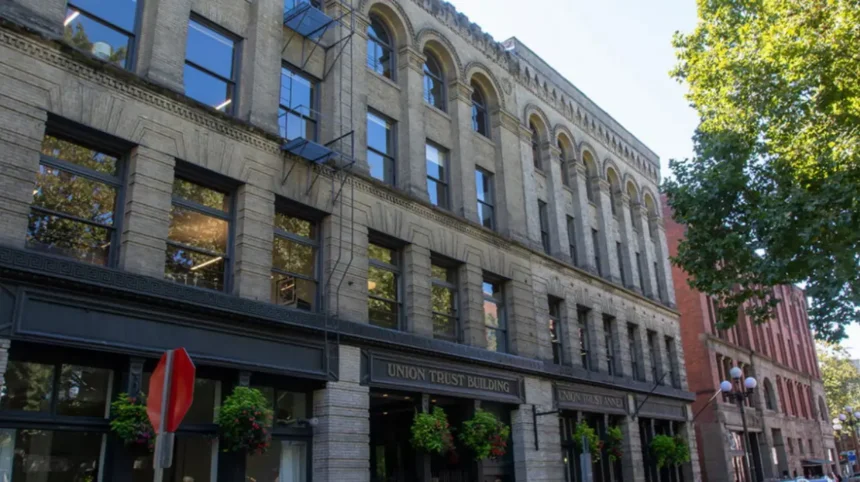
The area’s importance stems largely from the aftermath of the Great Seattle Fire, which destroyed much of downtown in 1889. Reconstruction efforts led to the creation of stronger brick and stone buildings, many of which still stand today. These structures form one of the largest collections of Romanesque Revival architecture in the Pacific Northwest.

Visitors exploring Pioneer Square encounter key historical entities including Pioneer Square Park, the Smith Tower, Occidental Square, the Klondike Gold Rush National Historical Park, and the Seattle Underground network. Together, these landmarks tell the story of commerce, immigration, transportation, and urban development that shaped modern Seattle.
How Does the Underground Seattle History Tour Explain the City’s Unique Past?
One of the most distinctive experiences in Pioneer Square is learning about Underground Seattle, a network of subterranean pathways and former street-level spaces created after the Great Seattle Fire.
Following the disaster, city leaders decided to rebuild Seattle on higher ground to improve drainage and reduce flooding problems. New roads were constructed above the original street level, leaving portions of the old city buried beneath modern sidewalks.

Today, guided underground tours provide access to sections of these historic passageways. Visitors can view original storefronts, sidewalks, and architectural features that existed before the city was elevated.
The underground system offers valuable insight into urban engineering, public health improvements, and the challenges faced by Seattle’s early residents. Rather than simply presenting historical artifacts, these tours help explain how geography, commerce, and infrastructure decisions influenced the city’s growth.
The underground experience also reinforces Pioneer Square’s role as a center of historical interpretation, making it one of Seattle’s most educational attractions for visitors interested in local history and preservation.
Which Historic Buildings and Architectural Landmarks Should You See in Pioneer Square?
Pioneer Square contains some of Seattle’s most architecturally significant structures, making it a premier destination for urban exploration and architectural tourism.
Smith Tower: Seattle’s Early Skyscraper
Completed in 1914, Smith Tower was once the tallest building west of the Mississippi River. The iconic structure remains a defining feature of the Seattle skyline and serves as a symbol of the city’s early economic growth.
Its historic design, observation experiences, and preserved interiors provide visitors with an opportunity to connect with Seattle’s commercial history.

Pioneer Building and Romanesque Revival Architecture
The Pioneer Building represents one of the most important surviving examples of Romanesque Revival architecture in Seattle. Characterized by sandstone facades, decorative arches, and detailed masonry work, the building reflects reconstruction efforts following the Great Seattle Fire.
Seattle Union Station
Located near the district, Seattle Union Station highlights the importance of rail transportation in regional development. Its grand waiting hall and Beaux-Arts architectural elements remain notable examples of early twentieth-century design.
Occidental Square Historic Environment
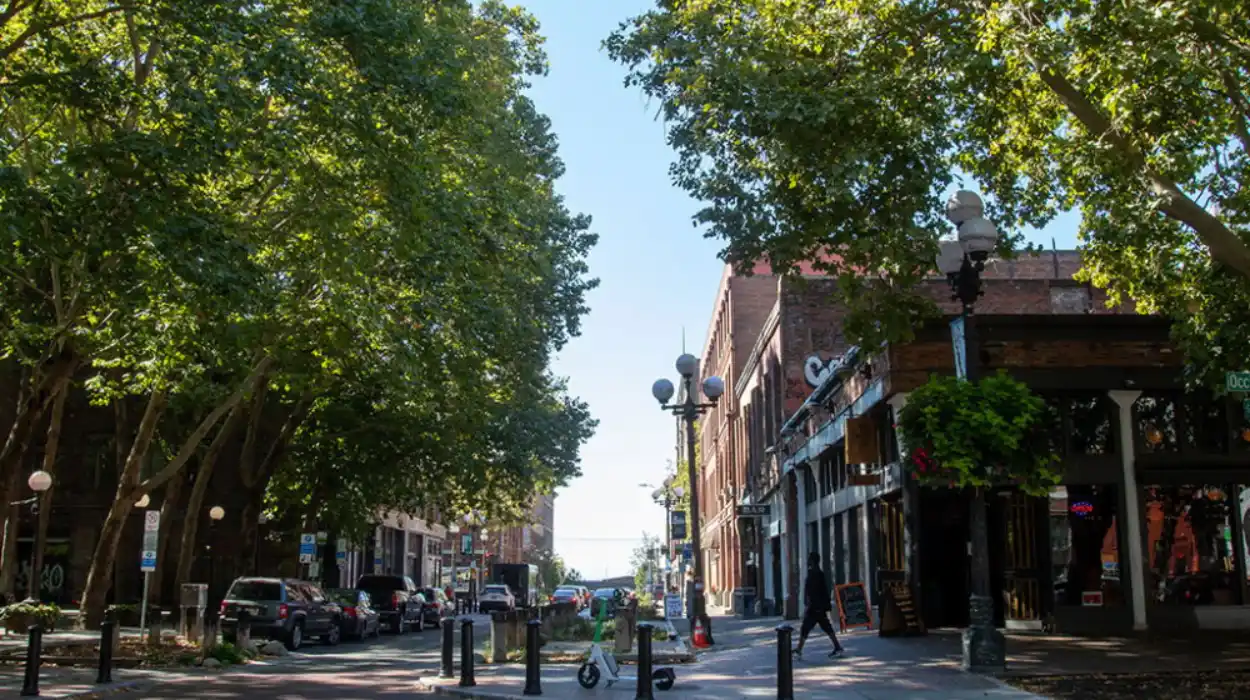
Occidental Square serves as a central gathering space surrounded by preserved historic buildings. The square provides excellent opportunities to appreciate the scale, materials, and architectural details that define Pioneer Square’s visual identity.
Together, these landmarks demonstrate why preservation organizations continue to protect the district as one of the most historically valuable neighborhoods in the Pacific Northwest.
What Is the Best Self-Guided Walking Tour Route Through Pioneer Square?
A structured walking tour allows visitors to experience the district efficiently while understanding its historical progression.
Begin at Pioneer Square Park, where the neighborhood’s historical narrative is introduced through monuments and public gathering spaces. From there, proceed toward Occidental Square, which serves as a central orientation point.
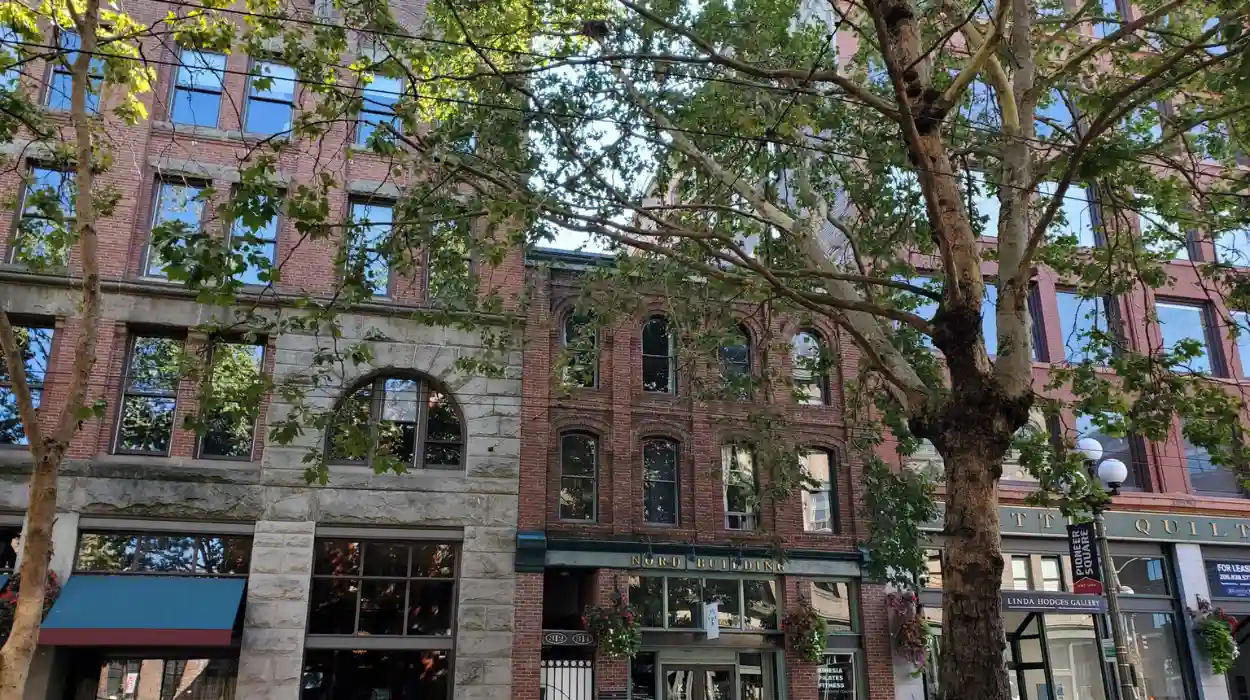
Continue north and south through the district’s historic blocks to observe preserved commercial buildings dating from the late nineteenth century. Architectural details such as stone facades, decorative cornices, and arched windows become increasingly apparent during a slower-paced exploration.
Next, visit Klondike Gold Rush National Historical Park, which interprets Seattle’s connection to the Yukon Gold Rush. The site explains how Seattle became a gateway for prospectors traveling north during one of North America’s most influential migration events.
The route can then continue toward Smith Tower, where visitors gain additional perspective on Seattle’s commercial development. Walking east and west through adjacent streets reveals smaller historical markers, restored structures, and local art installations.
The entire route can typically be completed in several hours while allowing time for museum visits, photography, and architectural appreciation.
How Do Art Galleries, Public Spaces, and Cultural Institutions Shape Pioneer Square Today?
While Pioneer Square is known for history, it also functions as one of Seattle’s most active cultural districts.
The neighborhood contains numerous contemporary art galleries that participate in the city’s established arts scene. These galleries help connect historic preservation with modern creative expression, creating a unique blend of old and new.
Public spaces such as Occidental Square regularly host community gatherings, cultural events, and seasonal activities that attract both residents and visitors. Public art installations throughout the district further contribute to its identity as a creative urban environment.
The Klondike Gold Rush National Historical Park adds educational value through exhibits focused on migration, commerce, and regional history. Meanwhile, preservation organizations continue documenting and protecting the district’s historical assets.
This combination of history, art, and community engagement distinguishes Pioneer Square from many historic districts that function solely as tourism destinations. Instead, it remains an active and evolving part of downtown Seattle.
When Is the Best Time to Visit Pioneer Square and What Should Visitors Expect?
The best time to visit Pioneer Square is generally between late spring and early fall, when Seattle experiences longer daylight hours and more favorable weather conditions.
From May through September, visitors benefit from comfortable temperatures that support walking tours and outdoor exploration. Clearer weather also enhances photography opportunities, particularly around historic streetscapes and architectural landmarks.
Morning visits often provide quieter conditions for sightseeing and photography. Afternoon hours typically bring increased activity as galleries, museums, and cultural venues welcome visitors.
Because Pioneer Square remains an active urban neighborhood, visitors should expect typical downtown conditions including pedestrian traffic, public transportation activity, and ongoing city operations.
Comfortable walking shoes are recommended because most exploration occurs on foot. Visitors should also remain aware of surroundings, especially during evening hours, as they would in any major downtown environment.
Planning ahead for underground tours and museum visits can help maximize the experience, particularly during peak tourism periods.
How Does Pioneer Square Connect to Other Major Seattle Attractions?
Pioneer Square serves as an excellent starting point for broader exploration of Seattle due to its central location and transportation access.
The district sits near the Seattle Waterfront, allowing visitors to continue their journey toward Elliott Bay, waterfront promenades, ferry terminals, and public viewpoints. Connections to downtown Seattle also place visitors within reach of major cultural institutions, shopping districts, and entertainment venues.
Nearby transportation hubs provide convenient access to neighborhoods such as Capitol Hill, the International District, and other parts of the city. This accessibility makes Pioneer Square an ideal anchor point for visitors creating a full-day Seattle itinerary.
Related Local Experience Worth Exploring
If you are visiting this area, you may also want to explore historic cafés and bars in Pioneer Square.
This complementary experience helps visitors understand another aspect of the neighborhood’s heritage by focusing on historic gathering places and longstanding social spaces. While Pioneer Square’s landmarks explain the district’s history and architecture, exploring its historic café and bar culture satisfies dining-focused visitor intent and provides additional local context after a walking tour.
Why Does Pioneer Square Remain Culturally Significant to Seattle?
Pioneer Square remains culturally significant because it preserves the physical evidence of Seattle’s origins while continuing to support modern community life.
The district connects visitors with key events including early settlement, maritime commerce, railroad expansion, the Klondike Gold Rush, and post-fire reconstruction. Preservation efforts have ensured that these stories remain visible within the urban landscape rather than being lost to redevelopment.
Beyond historical value, Pioneer Square contributes to Seattle’s identity through art, culture, education, and public engagement. Its buildings, streets, and institutions provide a tangible link between the city’s past and present.
For travelers seeking an authentic understanding of Seattle, few locations offer a more complete and meaningful introduction than Pioneer Square.
Frequently Asked Questions About Pioneer Square Seattle
Is Pioneer Square worth visiting in Seattle?
Yes. Pioneer Square is widely considered one of Seattle’s most important historic attractions because it combines architecture, Underground Seattle history, cultural institutions, public spaces, and walkable sightseeing opportunities within a compact area.
How long does it take to explore Pioneer Square?
Most visitors spend between two and four hours exploring the district. Additional time may be needed for underground tours, museum visits, gallery browsing, and photography.
What is Underground Seattle?
Underground Seattle refers to the original street-level spaces buried after reconstruction following the Great Seattle Fire of 1889. Guided tours allow visitors to explore portions of these historic underground passageways.
Is Pioneer Square safe for tourists?
Pioneer Square is a popular visitor destination and active downtown neighborhood. Travelers should practice standard urban safety awareness, remain attentive to their surroundings, and plan routes appropriately, especially during late evening hours.
What are the most famous landmarks in Pioneer Square?
Notable landmarks include Pioneer Square Park, Smith Tower, Occidental Square, Klondike Gold Rush National Historical Park, Seattle Union Station, and the district’s collection of Romanesque Revival buildings.
Can you walk from Pioneer Square to the Seattle Waterfront?
Yes. The Seattle Waterfront is located within walking distance of Pioneer Square, making it easy for visitors to combine historic district exploration with waterfront sightseeing during the same trip.