

Key Points
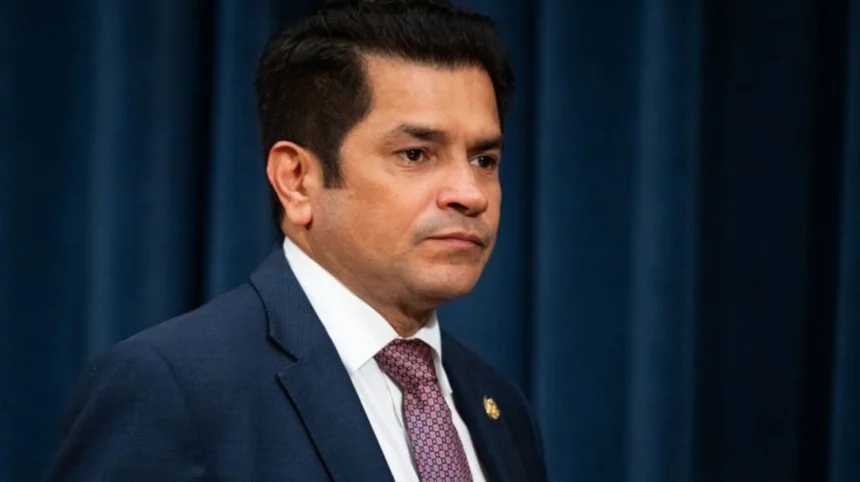
- The House Ethics Committee is investigating Democratic Rep. Jimmy Gomez over allegations of sexual misconduct, according to three sources cited by CNN.
- The inquiry reportedly began after early outreach tied to a New York Post story alleging Gomez was seen kissing an aide at a backyard party in 2023.
- A Gomez spokesperson previously told The New York Post the account was “not true” and said the alleged make-out session “didn’t happen.”
- Gomez said in a lengthy statement that he made “personal mistakes” outside his marriage, apologized to his family and constituents, and pledged to cooperate with any Ethics Committee inquiry.
- The committee is said to be looking into additional allegations after its initial follow-up, and the probe is still in its early stages.
- The House Ethics Committee declined to comment, according to CNN.
- The investigation comes as Congress faces broader pressure to improve how it handles misconduct complaints and sexual harassment claims.
- House leaders Mike Johnson and Hakeem Jeffries recently backed a bipartisan effort to reform the process for handling sexual misconduct allegations in Congress.
- The broader reform push reflects concern that public confidence in Congress could worsen if lawmakers do not make clear and timely changes.
What is the House Ethics Committee investigating about Jimmy Gomez?
Washington, D.C. (King County Insider) June 2, 2026. The House Ethics Committee is investigating Democratic Rep. Jimmy Gomez over allegations of sexual misconduct, three sources told CNN.
As reported by Manu Raju and colleagues of CNN, the panel’s early outreach was tied to a New York Post story alleging Gomez had been spotted kissing an aide, who worked for a different member of Congress, outside a backyard party in 2023. A Gomez spokesperson told The Post at the time that the accounts were “not true” and that the make-out session “didn’t happen.”
The sources said the committee’s initial follow-up led it to learn of other allegations of sexual misconduct that it is now investigating, according to CNN. The inquiry is still in its early stages, and the panel has not publicly detailed the additional claims, CNN reported.
What did Gomez say in response?
In a lengthy statement for CNN’s story, Gomez said he had made “personal mistakes” outside his marriage that caused pain to his wife and family. He said his actions were consensual, did not violate the law, and did not violate House ethics rules.
Gomez also said he would “cooperate with any Ethics Committee inquiry and provide it with whatever information it might need.” He apologized to his wife, family, friends, and the people he serves, and said he was working through the matter privately with his family.

The statement also said he had sought professional assistance to help “re-center and heal” relationships and move forward with “honesty, transparency, and respect.” CNN reported that the House Ethics Committee declined to comment.
How does this fit into wider Capitol Hill scrutiny?
The Gomez probe is part of a wider period of scrutiny over how Congress handles misconduct allegations. CNN reported that the bipartisan House Ethics Committee is also investigating GOP Rep. Chuck Edwards over allegations of sexual harassment.
As reported by CNN and other outlets, House Ethics Committee Chair Michael Guest has said he wants more staff and authority for the panel as pressure grows to police member misconduct more effectively. That pressure has intensified amid broader public criticism of Congress’s handling of harassment complaints.

House Speaker Mike Johnson and Minority Leader Hakeem Jeffries recently appointed a bipartisan task force to reform how sexual harassment claims are handled in Congress, with Republican Rep. Kat Cammack and Democratic Rep. Teresa Leger Fernández leading the effort. CBS News reported that the group is focusing on reporting mechanisms, retaliation concerns, and the need for a less confusing process for staffers and others to come forward.
Why are lawmakers pushing reforms now?
The current reform push is being driven by concern that the existing system is too slow, too confusing, and too intimidating for people to use. CBS News reported that Johnson said young female staffers, for example, may be afraid to come forward, while Jeffries said the leaders were working on the issue in bipartisan fashion.
According to CBS News, Cammack said the effort would focus on changing the “culture on Capitol Hill” and addressing gaps in how claims are reported. Other reporting said the group is also weighing stronger education and training resources to prevent misconduct before it happens.
The concern extends beyond individual cases because lawmakers worry public trust could fall further if reforms do not produce visible changes. That broader skepticism is one reason congressional leaders are under pressure to show quick progress.
What happens next in the investigation?
The Ethics Committee has not publicly laid out the full scope of its inquiry, and CNN reported that the investigation is still at an early stage. That means any findings, if they come, may take time because committee probes often develop gradually and rely on information gathering before a final decision.
Axios reported in a separate case that House Ethics investigations can begin through referrals, formal complaints, or independent action by the committee, and that they can last months or even years. That framework suggests the Gomez matter could remain unresolved for some time.
For now, the public record consists of the original reporting, Gomez’s denial of the specific kiss allegation through his spokesperson, his broader acknowledgment of personal mistakes, and the committee’s reported decision to examine the matter further. The House Ethics Committee has not yet issued a public statement beyond its reported decline to comment.
Background of the development
Congress has faced repeated criticism over its handling of misconduct allegations, especially when complaints involve staffers, power imbalances, or fears of retaliation. In response, House leaders have begun discussing reforms centered on reporting systems, workplace protections, and better training.
This latest Gomez investigation developed after earlier reporting raised questions about his conduct, and the Ethics Committee’s follow-up reportedly uncovered additional allegations. At the same time, the chamber is separately investigating other lawmakers, including Chuck Edwards, showing that misconduct scrutiny is not limited to one party.
The reform effort led by Johnson, Jeffries, Cammack, and Leger Fernández is meant to address the structure of the complaint process itself, not just isolated cases. Advocates for stronger ethics enforcement have long argued that Congress needs clearer procedures, more resources, and stronger protections for complainants.
Prediction: How could this affect lawmakers and staff?
For lawmakers, this development may increase pressure to be more cautious about workplace behavior and more responsive when allegations arise. For staffers and other congressional employees, the reform push could eventually make reporting misconduct less intimidating if leaders follow through with stronger protections and clearer procedures.
For the broader public, the case may further shape perceptions of whether Congress can police itself effectively. If reforms stall or investigations drag on without clear outcomes, public confidence in the institution could weaken further, which is a concern already noted in recent coverage of congressional ethics debates.