

Key Points
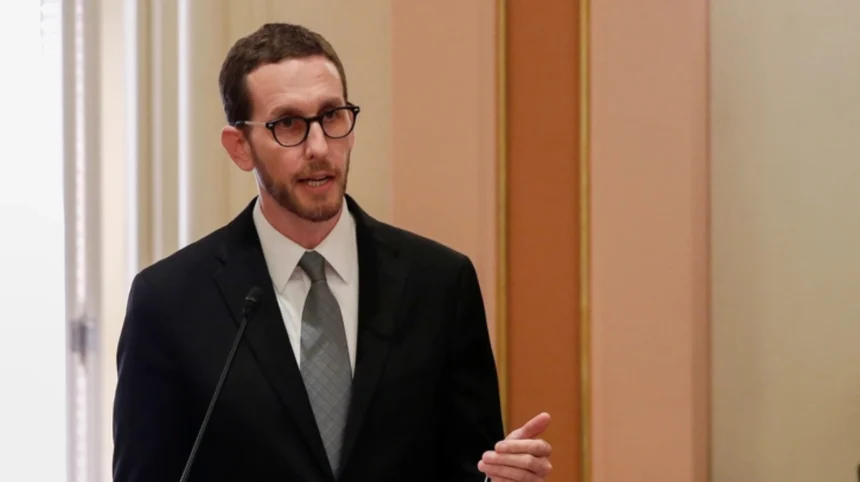
- State Sen. Scott Wiener finished first in San Francisco’s June 2 top-two primary for the U.S. House seat long held by Nancy Pelosi.
- San Francisco Supervisor Connie Chan appeared likely to advance to the November general election as the second-place finisher, though ballots still had to be fully counted.
- Former tech executive Saikat Chakrabarti trailed the top two candidates after spending heavily from his personal fortune.
- Pelosi endorsed Chan in the final stretch of the campaign, backing the supervisor over Wiener and Chakrabarti.
- The race centers on California’s 11th Congressional District, a San Francisco seat Pelosi has held since her 1987 special-election win.
- Wiener ran as a more moderate Democrat focused on housing and opposition to President Donald Trump’s policies, while Chan and Chakrabarti courted more progressive voters.
- Chakrabarti’s campaign was weakened by negative ads, Pelosi’s long silence, and Alexandria Ocasio-Cortez’s refusal to endorse him.
How did Scott Wiener take the lead in San Francisco’s House race?
San Francisco ( King County Insider) June 2, 2026. State Sen. Scott Wiener moved into the lead Tuesday in the race to succeed Nancy Pelosi in Congress, positioning himself to advance from the June 2 top-two primary in California’s 11th Congressional District.
The first returns showed Wiener with 43.4% of the vote, ahead of San Francisco Supervisor Connie Chan at 28% and former tech executive Saikat Chakrabarti at 13.5%, according to the San Francisco Chronicle. ABC7 News also reported that Wiener was leading when the early vote count was released, with Chan in second and Chakrabarti in third.
Because California uses a top-two primary system, the two highest vote-getters regardless of party move on to the November general election. That structure makes the second-place race especially important, and in this contest the main question after Wiener’s lead was whether Chan or Chakrabarti would claim the other spot.
Why is Nancy Pelosi’s endorsement important?
Pelosi endorsed Chan in mid-May, and that endorsement became one of the campaign’s defining developments. Politico reported that Pelosi’s backing came after a long period of hesitation and arrived as polls showed Chan effectively tied with Chakrabarti for second place behind Wiener.
Pelosi remains one of San Francisco’s most influential political figures, and she has represented the city in Congress since her 1987 special-election victory. Politico said her late endorsement could matter in a close primary because Chan was competing directly with Chakrabarti for the second slot.

ABC7 News said Pelosi’s endorsement did not change the basic shape of the race, with Wiener still leading and Chan and Chakrabarti both staying competitive. The endorsement also underscored the ideological split inside San Francisco Democrats, where Pelosi-aligned labor and local progressives backed Chan while younger and more insurgent voters leaned toward Chakrabarti.
What were the candidates running on?
Wiener, a state senator and more moderate Democrat by San Francisco standards, campaigned on housing and on his legislative efforts to resist President Donald Trump’s policies, according to Politico. His campaign also benefited from outside spending, including a tech-aligned super PAC that paid for negative ads questioning Chakrabarti’s local roots.
Chan, a San Francisco supervisor, leaned on her ties to labor unions and local progressive organizations. CalMatters reported that Pelosi’s endorsement could help Chan because Wiener was leading by double digits in recent polling, but Chan was trying to hold onto enough support to finish ahead of Chakrabarti.

Chakrabarti, a former tech engineer and former chief of staff to Rep. Alexandria Ocasio-Cortez, cast himself as an anti-establishment progressive. He received backing from some prominent left-wing figures, but he also faced criticism over his wealth, his political style, and questions about whether he had deep enough San Francisco ties.
How did money shape the race?
Chakrabarti’s campaign was notable for its scale of self-funding. The San Francisco Chronicle reported that he raised $9.2 million, including $8.8 million from his own pocket, allowing him to flood the race with advertising and paid canvassing.
Even with that spending, Politico said he was hit by negative ads and by the refusal of Ocasio-Cortez to endorse him. Those setbacks blunted his effort to turn high spending into a surge large enough to overtake Chan for second place.
Wiener also benefited from outside help, including a super PAC supporting his candidacy. That spending added another layer to a race that had already become expensive, ideologically charged, and closely watched because Pelosi’s seat had not been open for nearly four decades.
What happened on election night?
ABC7 News reported that Wiener had 40,017 votes at one point in the evening count, with Chan at 26,443 and Chakrabarti at 13,154. The outlet later updated the tally to show Wiener with 37,562 votes and Chan with 24,276, while Chakrabarti had 11,689, illustrating how early vote totals moved as more ballots were processed.
The San Francisco Chronicle said Wiener’s 43.4% lead left him well ahead in the first posted results, while Chan’s 28% put her in a stronger position than Chakrabarti to claim the second spot. ABC7 News noted that the top two vote-getters would continue to the November general election.

The race also carried symbolic weight because Pelosi’s departure marked the end of an era in San Francisco politics. ABC7 News described the contest as a tight battle to replace Speaker Emerita Pelosi after her announcement that she would retire from Congress following nearly 40 years in office.
What does this mean for November?
If Wiener and Chan are the final two candidates, November would likely become a contest between a more moderate Democratic state senator and a local supervisor with strong labor and progressive support. That matchup would likely test whether San Francisco voters prefer continuity with Pelosi-era institutional politics or a more city-hall-based progressive approach.
If Chakrabarti were to overtake Chan, the race would shift toward a sharper ideological confrontation between Wiener and a self-described insurgent progressive. His campaign has already shown that personal wealth can keep a candidate visible, but the early results suggested money alone did not guarantee a place in the final runoff.
For San Francisco voters, the immediate effect is that the city’s long-unchanged congressional seat is moving into a new phase of competition. The eventual winner will inherit not only Pelosi’s district but also the expectations that come with replacing one of the most recognizable political figures in modern American politics.
Background of the development
Nancy Pelosi announced last year that she would retire from Congress after nearly four decades representing San Francisco. Her decision opened one of the most closely watched House races in the country because her seat had been held by her for so long that the district had not seen a new representative in generations.
The race developed into an intraparty contest among Democrats with different political styles. Wiener entered as a well-known state senator with strong institutional support, Chan as a Pelosi-backed supervisor with labor ties, and Chakrabarti as a heavily financed progressive outsider with national name recognition on the left.
Several reports noted that Pelosi stayed mostly quiet until late in the campaign, when she formally endorsed Chan. That endorsement added another layer to a race already shaped by polling, super PAC spending, personal fortune, and ideological rivalry inside San Francisco’s Democratic coalition.
Prediction for voters
For San Francisco Democrats, this development could narrow the November field to a choice between candidates who both identify as progressive but differ on style, strategy, and governing approach. That means local voters are likely to see housing, labor alliances, and opposition to Trump remain central issues in the runoff.
For Pelosi loyalists and institutional Democrats, Chan’s performance suggests there is still space for a candidate backed by labor and by the former speaker’s network. For more independent or activist-minded voters, Chakrabarti’s showing indicates that outsider messaging can attract attention, but it may not be enough without broader coalition support.
For the district overall, the next stage of the race will likely determine whether San Francisco sends a continuity candidate or a more confrontational reformer to Washington. The result could shape how the city is represented on housing, federal spending, and resistance to the Trump administration in the next Congress.










1
1