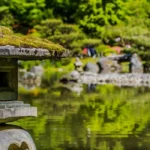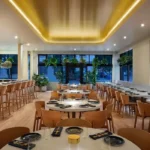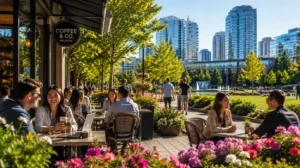

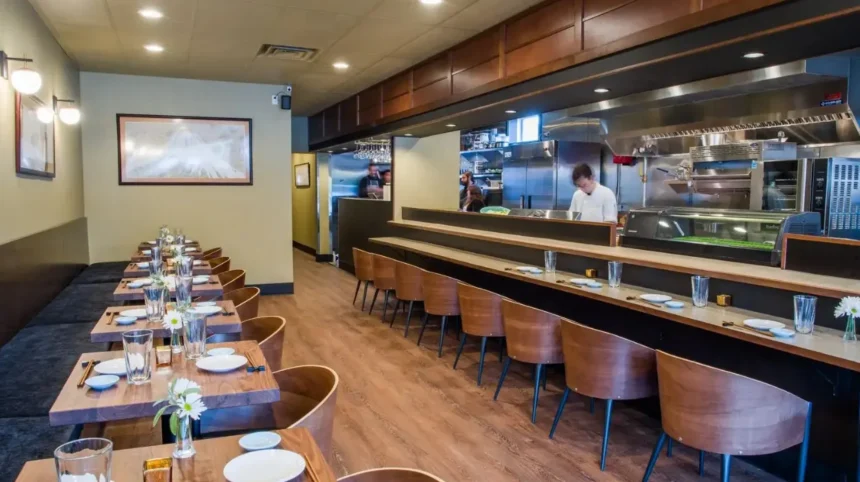
Visitors looking for the best Japanese restaurants near Seattle Japanese Garden in King County can easily combine a peaceful garden visit with an authentic Japanese dining experience. The neighborhoods surrounding the garden, including Madison Park, Capitol Hill, the University District, and Downtown Seattle, offer a wide range of Japanese cuisine, from traditional sushi and kaiseki-inspired menus to ramen, udon, and modern Japanese comfort food. Planning a meal before or after visiting Seattle Japanese Garden helps create a culturally connected experience that reflects Japanese aesthetics, hospitality, and culinary traditions.
The area is especially appealing because many restaurants align with the calm atmosphere that visitors seek when exploring Seattle Japanese Garden. Whether travelers prefer a quiet lunch, a refined dinner, or a tea-focused experience, several dining clusters across Seattle provide convenient options within a short drive of the garden.
Which Japanese Dining Areas Are Most Convenient After Visiting Seattle Japanese Garden?
The most convenient Japanese dining districts near Seattle Japanese Garden are Madison Valley, Capitol Hill, Downtown Seattle, and the University District. Each neighborhood offers a distinct culinary identity while remaining accessible from the garden.
Madison Valley attracts visitors seeking a quieter dining environment. The neighborhood’s residential character complements the contemplative atmosphere of Seattle Japanese Garden. Restaurants here often emphasize seasonal ingredients, minimalist interiors, and slower-paced dining experiences.
Capitol Hill provides a broader range of Japanese food styles. Visitors can find traditional sushi counters, contemporary izakayas, ramen houses, and Japanese-inspired cocktail venues. The neighborhood appeals to travelers who want to extend their cultural outing into an evening dining experience.

Downtown Seattle serves as a hub for upscale Japanese dining. Business travelers, tourists, and local residents frequently choose this area for premium sushi, omakase experiences, and sophisticated Japanese cuisine. The concentration of restaurants allows visitors to compare different dining concepts within a relatively compact area.
The University District offers a more casual and budget-friendly Japanese food scene. Students and families often choose this area for ramen, curry rice, donburi bowls, and everyday Japanese comfort foods.
Together, these dining clusters create a comprehensive culinary network that complements a visit to Seattle Japanese Garden without requiring extensive travel throughout the city.

Why Does Authentic Japanese Cuisine Pair Well With a Seattle Japanese Garden Visit?
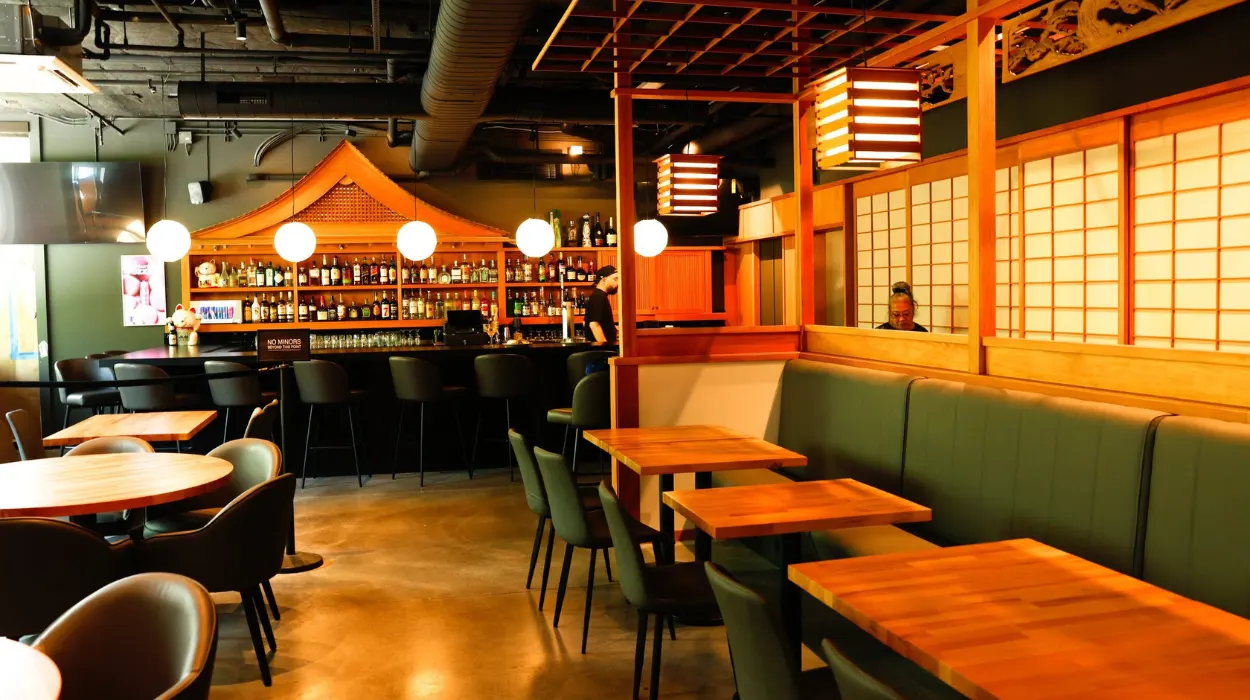
Authentic Japanese cuisine naturally complements a visit to Seattle Japanese Garden because both experiences emphasize balance, seasonality, simplicity, and attention to detail.
Seattle Japanese Garden showcases traditional Japanese landscape design principles through carefully arranged plants, stone pathways, water features, and seasonal displays. Japanese dining traditions follow similar concepts by highlighting ingredient quality, presentation, and harmony among flavors.
Many visitors intentionally schedule meals around their garden visit to continue engaging with Japanese cultural elements. A thoughtfully prepared sushi meal, a bowl of ramen made with slow-simmered broth, or a carefully presented bento lunch can extend the cultural experience beyond the garden grounds.
Japanese hospitality, known as omotenashi, also contributes to this pairing. Guests frequently appreciate the attentive service and calm environment found in many Japanese restaurants throughout Seattle. These qualities mirror the tranquil atmosphere that makes Seattle Japanese Garden one of the city’s most respected cultural destinations.
For travelers seeking immersive cultural experiences rather than isolated attractions, combining Japanese dining with a garden visit creates a more complete understanding of Japanese artistic and culinary traditions.
What Types of Japanese Restaurants Can Visitors Find Near Seattle Japanese Garden?
Visitors can find nearly every major category of Japanese cuisine within the neighborhoods surrounding Seattle Japanese Garden.
Traditional Sushi and Omakase Experiences Near the Garden
Seattle’s Japanese dining scene includes numerous sushi-focused establishments emphasizing fresh seafood sourced from the Pacific Northwest. Many chefs combine Japanese culinary techniques with regional ingredients, creating a dining experience that reflects both Japanese traditions and Seattle’s coastal identity.
Omakase experiences remain particularly popular among visitors seeking a special occasion meal. These chef-selected tasting menus provide a curated progression of seasonal dishes and premium seafood selections.
Ramen Restaurants for Casual Post-Garden Dining
Ramen restaurants offer a practical option for visitors seeking a satisfying yet approachable meal after walking through the garden. Tonkotsu, shoyu, miso, and shio broths are widely available throughout Seattle’s Japanese dining districts.
Many ramen venues maintain relaxed environments that appeal to families, solo travelers, and visitors looking for comfort food without the formality associated with high-end dining.
Izakaya Dining for Evening Visitors
Izakayas provide a social dining format centered on small plates, grilled dishes, seafood, and beverages. These establishments are particularly popular among visitors who explore Seattle Japanese Garden during the afternoon and continue their evening in nearby neighborhoods.
The variety of menu options allows groups to sample multiple dishes while enjoying a leisurely dining experience.
Japanese Cafés and Tea-Focused Venues
Japanese cafés contribute another dimension to the local culinary landscape. Matcha beverages, Japanese pastries, tea ceremonies, and traditional sweets appeal to visitors seeking a lighter experience after touring the garden.
These venues often emphasize atmosphere and presentation, making them especially attractive for travelers interested in Japanese culture beyond standard restaurant experiences.
How Can Visitors Create a Calm and Relaxing Dining Experience After Exploring the Garden?
Creating a calm dining experience begins with selecting restaurants that align with the peaceful nature of Seattle Japanese Garden.
Many visitors prefer avoiding peak dining hours immediately after their visit. Choosing an early lunch or an early dinner often results in quieter surroundings and more attentive service. Reservations can further enhance the experience by reducing waiting times and allowing visitors to maintain a relaxed schedule.
Restaurants featuring minimalist Japanese-inspired interiors, subdued lighting, and limited seating frequently provide the most seamless transition from the garden environment. These settings support the reflective mood many visitors experience after walking through the garden’s carefully designed landscapes.
Dining styles also influence the overall experience. Multi-course meals, sushi tastings, tea service, and traditional Japanese set menus generally encourage a slower pace compared to quick-service dining options.
Travelers seeking a cultural pairing rather than simply a meal often benefit from choosing venues that emphasize craftsmanship, seasonal ingredients, and presentation. These characteristics reinforce the themes already encountered within Seattle Japanese Garden.
When Is the Best Time to Visit Seattle Japanese Garden and Plan a Restaurant Reservation?
The best reservation strategy depends largely on seasonal visitor patterns and the timing of a garden visit.
Spring attracts significant visitation due to flowering trees, emerging foliage, and mild weather conditions. Restaurant reservations become especially valuable during weekends when both tourists and local residents explore the area.
Summer remains one of the busiest periods for Seattle attractions. Visitors often combine Seattle Japanese Garden with other destinations throughout the city, making advance dining reservations increasingly important.
Autumn is widely regarded as one of the most scenic seasons at the garden. Colorful foliage creates strong demand among photographers and cultural travelers. Restaurants near the garden frequently experience increased traffic during this period, particularly on weekends.
Winter generally offers a quieter overall experience. Visitors seeking a more contemplative outing may find it easier to secure reservations and enjoy less crowded dining environments.
For the smoothest experience, many travelers schedule restaurant reservations approximately one to two hours after arriving at the garden. This timing provides flexibility for photography, walking paths, and seasonal viewing opportunities without creating unnecessary scheduling pressure.
How Does Japanese Dining Enhance a Full-Day Cultural Experience in Seattle?
Japanese dining enhances a full-day cultural experience by connecting visitors with multiple aspects of Japanese heritage through food, design, hospitality, and tradition.
Rather than treating Seattle Japanese Garden as a standalone attraction, many travelers build an itinerary around cultural exploration. A morning or afternoon visit followed by Japanese dining allows visitors to experience related cultural expressions in different formats.
The connection between Japanese landscape architecture and culinary presentation becomes particularly noticeable when experienced on the same day. Both traditions value balance, restraint, and seasonal awareness.
Visitors interested in cultural tourism often appreciate opportunities to deepen their understanding through multiple touchpoints. Japanese cuisine provides a practical and enjoyable extension of the educational and aesthetic experience offered by Seattle Japanese Garden.
Related Reading for Visitors Exploring the Area
If you are visiting this area, you may also want to explore: peaceful escape.
This related guide complements a Seattle Japanese Garden itinerary by helping visitors better understand the atmosphere, design philosophy, seasonal beauty, and visitor experience associated with the garden itself. Reading it before or after your dining plans can provide additional context for travelers interested in cultural attractions and local experiences throughout Seattle.
What Should First-Time Visitors Know Before Combining a Garden Visit With Japanese Dining?
First-time visitors should prioritize timing, transportation, and reservations when planning their itinerary.
Seattle traffic patterns can affect travel times between neighborhoods, particularly during weekday commuting hours. Allowing extra time between the garden and restaurant reservations helps maintain a stress-free experience.
Visitors should also consider the type of dining experience they prefer. Casual ramen shops, sushi restaurants, izakayas, and tea-focused cafés each support different travel styles and budgets.
Seasonal demand can influence both garden attendance and restaurant availability. Planning ahead is especially important during spring bloom periods and autumn foliage seasons.
Most importantly, visitors should approach the experience as a cultural pairing rather than two separate activities. The strongest itineraries intentionally connect the tranquility of Seattle Japanese Garden with the craftsmanship and hospitality found in Japanese dining establishments throughout Seattle.
Frequently Asked Questions
What are the best neighborhoods for Japanese restaurants near Seattle Japanese Garden?
Madison Valley, Capitol Hill, Downtown Seattle, and the University District offer the strongest concentration of Japanese dining options. Each neighborhood provides different experiences ranging from upscale sushi and omakase to casual ramen and traditional Japanese comfort food.
How far are Japanese restaurants from Seattle Japanese Garden?
Most popular Japanese dining districts are within a short drive of Seattle Japanese Garden. Travel times generally range from approximately 10 to 20 minutes depending on traffic conditions and the specific neighborhood selected.
Should I make restaurant reservations after visiting Seattle Japanese Garden?
Yes. Reservations are recommended, especially during weekends, spring bloom season, summer tourism periods, and autumn foliage months. Advance reservations help ensure a smoother and more relaxed cultural outing.
What type of Japanese cuisine is most popular near Seattle Japanese Garden?
Sushi, omakase, ramen, izakaya dining, Japanese curry, udon, and tea-focused café experiences are among the most popular options. Visitors can choose between traditional Japanese dining and modern interpretations of Japanese cuisine.
Is Seattle Japanese Garden suitable for a half-day cultural itinerary?
Yes. Many visitors spend one to three hours exploring the garden before continuing to nearby Japanese restaurants. This combination creates a well-rounded cultural experience that blends landscape design, history, and cuisine.
What season offers the best garden and dining experience?
Spring and autumn are often considered the most rewarding seasons due to flowering trees and colorful foliage. However, every season provides unique scenery, and Japanese restaurants remain a year-round complement to a garden visit.