
Key Points
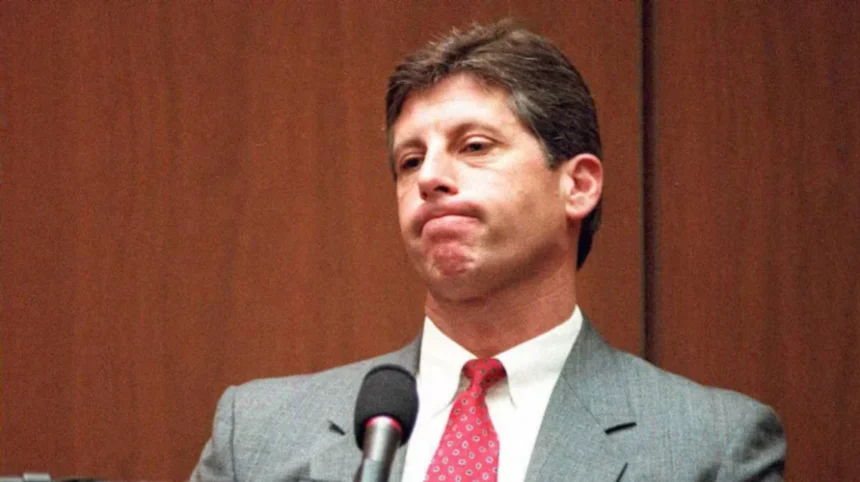
- Mark Fuhrman, the former Los Angeles police detective linked to the O.J. Simpson murder investigation, has died at 74.
- The Kootenai County Coroner’s Office in Idaho confirmed that Fuhrman died on May 12, 2026, and said the county does not release a cause of death as a rule.
- Fuhrman was one of the first detectives sent to investigate the 1994 killings of Nicole Brown Simpson and Ronald Goldman in Los Angeles.
- His credibility became a major issue during the 1995 trial after a tape surfaced showing he had used anti-Black racial slurs, despite his testimony denying such language in the previous decade.
- Fuhrman later retired from the Los Angeles Police Department, moved to Idaho, became a commentator, and wrote the book Murder in Brentwood.
- The case remained one of the most closely watched criminal trials in U.S. history, and Fuhrman’s role became inseparable from debate over police conduct and trial evidence.
How did Mark Fuhrman die?
Boise, Idaho (King County Insider) May 19, 2026. Former Los Angeles police detective Mark Fuhrman has died at the age of 74, according to the Kootenai County Coroner’s Office in Idaho, which confirmed that he died on May 12 and did not disclose a cause of death.
As reported by the Associated Press, Fuhrman was best known for his role in the O.J. Simpson murder investigation, where he was among the first detectives assigned to the case involving the killings of Nicole Brown Simpson and Ronald Goldman in Los Angeles. His death closes a chapter on a law-enforcement figure whose name became nationally recognized not just because of the investigation itself, but because of the trial’s testimony, evidence disputes, and the broader public debate that followed.
Why was Fuhrman important in the O.J. Simpson trial?
Fuhrman’s significance in the case came from both his investigative role and the controversy surrounding his testimony. According to AP, he reported finding a bloody glove at Simpson’s home, a detail that later became one of the most disputed pieces of evidence in the trial. The defense challenged his credibility and argued that his background raised questions about racial bias and evidence handling.
During cross-examination, Fuhrman testified that he had not used anti-Black racial slurs in the previous decade, but a recording later surfaced showing repeated use of such language, sharply damaging his credibility in court. That issue made Fuhrman one of the most discussed figures in the case, because the trial was not only about Simpson’s guilt or innocence but also about the trustworthiness of the investigation. As ABC and NPR noted in their coverage, the coroner confirmed Fuhrman’s death and the longstanding details about the trial remained central to how his legacy was being revisited.
What did Fuhrman do after the trial?
After Simpson’s acquittal in 1995, Fuhrman retired from the Los Angeles Police Department. He later moved to Idaho with his family and built a quieter life there, including operating a farm. Reports also note that he later worked as a television and radio commentator and authored Murder in Brentwood, a book about the killings that brought him to national attention.

The AP reporting said Fuhrman’s later years were spent away from the public spotlight compared with the intensity of the trial period, although his name continued to appear whenever the Simpson case was discussed. That is because the trial became a defining moment in American legal and media history, and Fuhrman’s testimony was one of its most debated elements. His death therefore revives attention not only on his life, but also on the unresolved public memory of the case itself.
What does his death mean now?
Fuhrman’s death does not change the factual record of the O.J. Simpson case, but it may renew public discussion about police credibility, race, and courtroom testimony in high-profile trials. The reporting from AP, NPR, ABC, and the Los Angeles Times all points to the same central reality: Fuhrman remained remembered less for a broad policing career than for the handful of investigative decisions and statements that shaped one of the most famous trials in U.S. history.
In news terms, his passing is notable because it marks the end of the life of a figure who was central to a case that still carries legal, social, and cultural significance. The story is also a reminder that individual law-enforcement actions can take on lasting importance when they become tied to a nationally watched prosecution.

Background of the development
Mark Fuhrman first became widely known during the 1994 investigation into the murders of Nicole Brown Simpson and Ronald Goldman in Los Angeles. During the 1995 trial of O.J. Simpson, his testimony came under intense scrutiny after recordings surfaced in which he used racist language, and that contradiction became a major issue for the defense. After the trial, Fuhrman left the LAPD, moved to Idaho, and later worked in media and publishing.
The case itself became a landmark in American criminal justice and television history, with Fuhrman’s role often cited in discussions about police bias, forensic evidence, and courtroom strategy. That broader context is why his death is being covered widely now, even though the legal outcome of the Simpson case was decided decades ago.
Prediction
For audiences that followed the O.J. Simpson trial, Fuhrman’s death will likely prompt another round of reflection on how much a single witness can influence public trust in a case. For legal observers and journalism readers, it may also revive discussion of how evidence controversies and credibility attacks can shape a verdict, especially in a nationally televised trial.
For younger audiences, the story may serve mainly as a historical reference point for understanding why the Simpson trial remains a lasting subject in U.S. media and criminal-justice coverage. For law-enforcement audiences, it may be read as another reminder that testimony, conduct, and public language can affect an officer’s legacy long after retirement.