

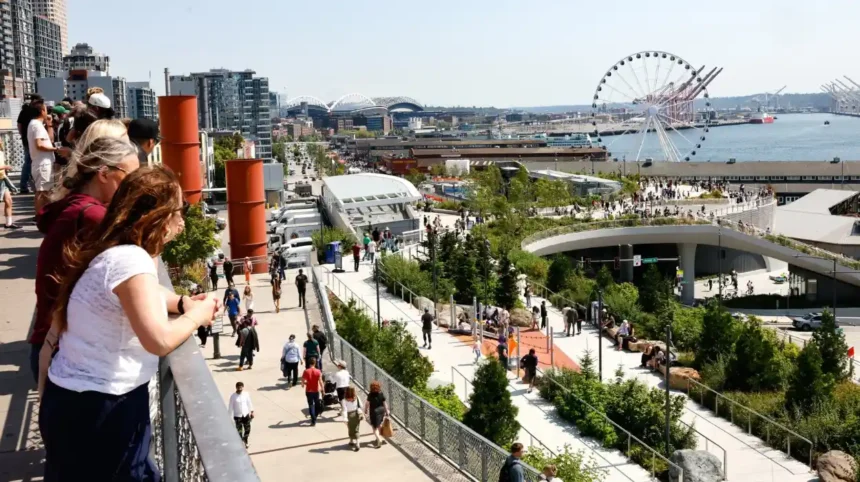
The Seattle Waterfront in King County has become one of the most important urban tourism destinations in the Pacific Northwest in 2026 because of its large-scale revitalization projects, scenic pedestrian access, ferry viewpoints, public gathering spaces, and connections to iconic Seattle attractions. Visitors now experience a redesigned waterfront corridor with improved walkability, expanded public spaces, upgraded piers, and direct access to Elliott Bay views, cultural landmarks, and downtown Seattle neighborhoods.
Located along Elliott Bay in Seattle, the waterfront combines tourism, transportation, recreation, and sightseeing into one connected urban experience. The area stretches from Pioneer Square through the central waterfront toward Olympic Sculpture Park, linking multiple attractions, ferry terminals, viewpoints, and public parks along the shoreline.
Why Is the Seattle Waterfront One of the Most Important Urban Tourism Projects in King County?
Seattle Waterfront stands out in 2026 because it reflects how modern cities are redesigning public shoreline spaces for both residents and tourists. The waterfront redevelopment transformed aging infrastructure into a pedestrian-focused corridor with wider walkways, bike-friendly paths, public seating, landscaped plazas, and improved connections between downtown Seattle and Elliott Bay.
The removal of the Alaskan Way Viaduct significantly changed how visitors experience the area. Instead of elevated highway barriers blocking the shoreline, tourists now have open bay views and easier access to public gathering areas. This revitalization project reshaped Seattle’s relationship with its waterfront while strengthening tourism activity in King County.
The area also functions as a transportation and sightseeing hub. Visitors can access ferry routes, harbor cruises, waterfront parks, museums, observation points, and cultural districts without needing extensive vehicle travel. This accessibility makes the Seattle Waterfront especially appealing for urban travelers exploring Seattle without cars.

Major entities connected to the waterfront include Pike Place Market, Seattle Aquarium, Pioneer Square, Olympic Sculpture Park, Elliott Bay, Colman Dock, and the Seattle Great Wheel. Together, these landmarks create a dense tourism corridor that supports walking-based exploration.
What Attractions and Public Spaces Define Seattle Waterfront in 2026?
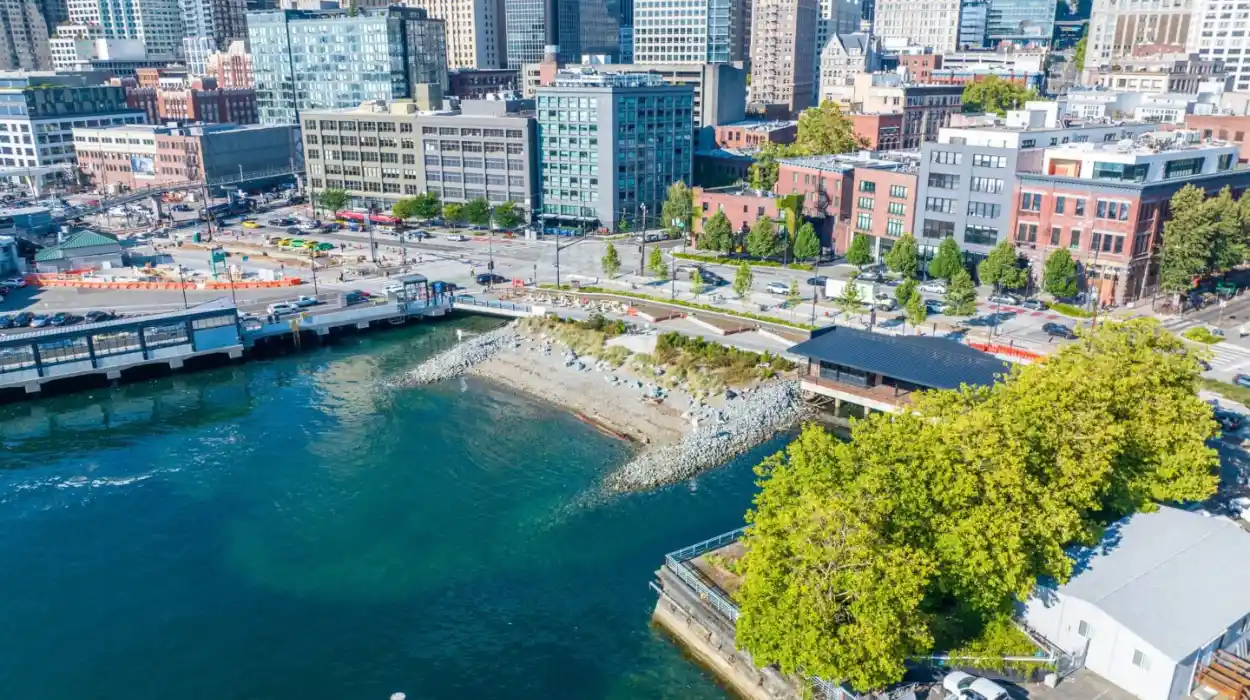
The Seattle Waterfront includes several interconnected attractions that shape the visitor experience across the shoreline.
Seattle Aquarium Continues Expanding Waterfront Tourism Interest
The Seattle Aquarium remains one of the most visited family attractions near Elliott Bay. The Ocean Pavilion expansion increased visitor capacity and strengthened the waterfront’s educational tourism appeal. Travelers interested in marine ecosystems, Pacific Northwest wildlife, and family-friendly indoor activities frequently include the aquarium in their waterfront itinerary.

The aquarium also reinforces Seattle’s environmental identity by connecting urban tourism with marine conservation themes tied to Puget Sound and the Pacific Ocean.
Pier 62 Functions as a Central Public Gathering Space
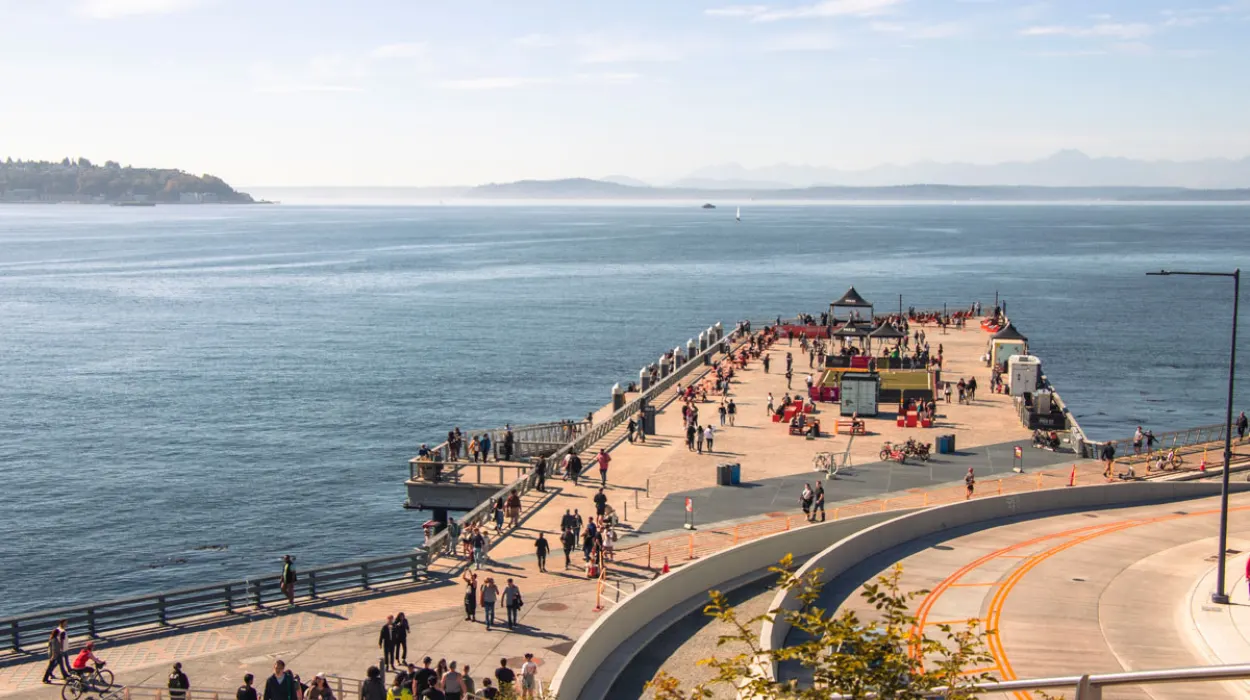
Pier 62 became a signature community space along the waterfront. The redesigned pier hosts public events, open seating areas, seasonal performances, and panoramic views of Elliott Bay. Unlike older tourist-focused piers, Pier 62 emphasizes flexible public use and open-air recreation.
Visitors often stop here for sunset photography, ferry watching, and skyline views facing downtown Seattle.
Seattle Great Wheel Enhances Waterfront Skyline Views
The Seattle Great Wheel continues to attract tourists seeking elevated panoramic views of Elliott Bay, downtown Seattle, and the Olympic Mountains. Positioned near Pier 57, the observation wheel remains one of the most recognizable visual landmarks along the shoreline.
The attraction becomes especially popular during evening hours when waterfront lighting and city reflections create dramatic photography conditions.
Colman Dock Connects Transportation and Scenic Tourism
Colman Dock serves as both a transportation center and sightseeing location. Washington State Ferries connect Seattle with Bainbridge Island and Bremerton, allowing visitors to combine waterfront exploration with regional travel experiences.

Many tourists use ferry rides as scenic excursions because the routes provide expansive views of the Seattle skyline, Mount Rainier visibility during clear weather, and marine traffic across Puget Sound.
How Does the Seattle Waterfront Walking Route Improve the Visitor Experience?
The Seattle Waterfront walking route has become one of the city’s most accessible sightseeing corridors because it links major attractions through a continuous pedestrian-friendly path.
Visitors commonly begin near Pioneer Square before moving north along Alaskan Way toward Pike Place Market and the central piers. This route provides direct access to public art, waterfront plazas, ferry terminals, observation points, and open shoreline views.
The improved pedestrian design reduced congestion while increasing accessibility for families, cyclists, and travelers using mobility assistance. Wider sidewalks, traffic adjustments, landscaping features, and clearer wayfinding systems now support smoother movement throughout the district.
One of the strongest aspects of the walking route is its layered urban scenery. Visitors experience historic Seattle architecture near Pioneer Square, active ferry operations near Colman Dock, entertainment areas near Pier 57, and quieter green spaces approaching Olympic Sculpture Park.
The route also supports different travel styles. Some visitors prioritize photography and scenic views, while others focus on museums, ferry rides, public parks, or urban exploration. The waterfront accommodates all of these intents within a compact geographic area.
Where Are the Best Viewpoints Along the Seattle Waterfront?
The Seattle Waterfront contains multiple high-value scenic viewpoints that attract photographers, tourists, and local visitors throughout the year.
Pier 62 Offers Wide Elliott Bay Sunset Views
Pier 62 provides some of the best unobstructed sunset views in central Seattle. Visitors can watch ferry traffic crossing Elliott Bay while viewing the Olympic Mountains during clear weather conditions.
The pier’s open design also supports skyline photography facing downtown Seattle.
Overlook Walk Creates Elevated Urban and Waterfront Perspectives
One of the most important additions to the waterfront redevelopment is the Overlook Walk connection between Pike Place Market and the shoreline. This elevated pedestrian structure improves movement between downtown and the waterfront while creating new city-and-bay viewing angles.
The overlook area gives visitors layered perspectives that include Elliott Bay, ferry routes, Seattle skyscrapers, and the waterfront promenade.
Olympic Sculpture Park Connects Art and Waterfront Landscapes
Located north of the central waterfront, Olympic Sculpture Park combines public art installations with shoreline scenery and walking paths. Visitors experience a quieter atmosphere compared to the more active tourism areas near the piers.
The park also creates visual continuity between Seattle’s urban environment and Puget Sound landscapes.
Ferry Deck Views Deliver Iconic Seattle Skyline Photography
Many travelers consider Washington State Ferry rides among the best viewpoints in Seattle. Departures from Colman Dock provide wide-angle skyline views that include the Space Needle, downtown towers, waterfront piers, and Elliott Bay.
These moving perspectives create a different sightseeing experience compared to stationary observation areas.
What Seasonal Differences Should Visitors Expect at Seattle Waterfront?
Seattle Waterfront changes noticeably throughout the year, making seasonal planning important for tourism experiences.
Summer Creates the Most Active Tourism Environment
Summer is the busiest season because warmer temperatures and longer daylight hours support outdoor activities, harbor cruises, ferry rides, and waterfront walking tours. Public events and live entertainment also increase during this period.
Peak visitation occurs between June and August, especially near Pike Place Market and the central piers.
Fall Provides Better Walking Conditions and Lower Crowds
Many visitors prefer early fall because the weather remains relatively comfortable while crowd levels decrease compared to summer. Waterfront photography conditions often improve during September due to clearer atmospheric visibility.
This season is ideal for travelers seeking a calmer sightseeing experience.
Winter Highlights Storm Watching and Atmospheric Bay Views
Winter creates a dramatically different waterfront atmosphere. Rain, fog, and changing skies transform Elliott Bay into a moodier scenic environment popular with photographers and local visitors.
Holiday lighting near the waterfront also increases evening tourism activity during December.
Spring Brings Transitional Tourism and Outdoor Recreation
Spring gradually reactivates outdoor tourism around the waterfront. Blooming landscaping areas and improving weather conditions attract walkers, cyclists, and sightseeing visitors before the summer peak season begins.
Ferry travel also becomes increasingly popular during spring weekends.
How Does Seattle Waterfront Connect to Nearby Seattle Attractions?
Seattle Waterfront functions as a gateway to several major Seattle tourism districts and attractions.
Pike Place Market sits directly uphill from the shoreline and remains one of the most important nearby destinations for visitors exploring the waterfront area. The market connects urban tourism, shopping, and local culture within walking distance of Elliott Bay.
Pioneer Square adds historical depth to the visitor experience through preserved architecture, underground tours, art galleries, and public plazas. Many travelers combine Pioneer Square with waterfront walking routes because of their immediate geographic connection.
Olympic Sculpture Park extends the waterfront experience northward by linking green space, public art, and shoreline walking paths.
The Seattle Center district, including the Space Needle and Museum of Pop Culture, is also accessible from the waterfront through public transit and downtown connections.
If you are visiting this area, you may also want to explore: best seafood restaurants near Seattle Waterfront for tourists.
This complementary guide helps travelers discover dining options after waterfront sightseeing, ferry rides, and walking tours. It supports food-focused search intent while helping visitors plan cafés, seafood dining, and waterfront meal experiences near major Seattle attractions.
Internal Linking Anchor Text: best seafood restaurants near Seattle Waterfront for tourists
Why Does Seattle Waterfront Matter More for Urban Tourism in 2026?
Seattle Waterfront matters more in 2026 because it demonstrates how cities can redesign aging infrastructure into modern public tourism environments. The redevelopment improved shoreline accessibility, strengthened pedestrian tourism, and connected major Seattle attractions into one continuous visitor corridor.
Unlike isolated tourist attractions, the waterfront operates as an integrated urban experience combining transportation, recreation, sightseeing, public space design, and regional identity.
The area also reflects broader tourism trends emphasizing walkability, outdoor public environments, scenic urban landscapes, and multi-purpose visitor districts. Travelers increasingly prioritize destinations that allow flexible exploration without heavy reliance on vehicles, and Seattle Waterfront supports this behavior effectively.
As redevelopment phases continue, the waterfront is expected to strengthen its role as a central tourism and civic destination within King County and the broader Pacific Northwest.
Frequently Asked Questions About Seattle Waterfront in 2026
What is the Seattle Waterfront known for in 2026?
Seattle Waterfront is known for its revitalized public spaces, ferry views, pedestrian-friendly design, waterfront piers, and connections to major Seattle attractions like Pike Place Market and Seattle Aquarium.
Is Seattle Waterfront walkable for tourists?
Yes, the Seattle Waterfront is highly walkable. Redesigned pathways, improved sidewalks, scenic promenades, and connected attractions allow visitors to explore much of the area on foot.
What are the best viewpoints at Seattle Waterfront?
Popular viewpoints include Pier 62, Overlook Walk, ferry decks departing from Colman Dock, and Olympic Sculpture Park overlooking Elliott Bay and downtown Seattle.
When is the best time to visit Seattle Waterfront?
Summer offers the most activities and events, while early fall provides milder crowds and excellent walking conditions. Winter attracts visitors interested in atmospheric waterfront scenery.
Can visitors take ferries directly from Seattle Waterfront?
Yes, Colman Dock connects visitors to Washington State Ferries traveling to Bainbridge Island and Bremerton across Puget Sound.
How long should visitors spend at Seattle Waterfront?
Most travelers spend between three and six hours exploring the waterfront depending on whether they include ferry rides, museums, public parks, or nearby Seattle attractions.