
Issaquah in King County has become increasingly recognized for more than outdoor recreation and mountain access because the Issaquah Highlands area combines planned suburban design with scenic Pacific Northwest landscapes. The district attracts visitors looking for walkable public spaces, ridge-top viewpoints, outdoor connectivity, and modern community planning close to nature.
Unlike conventional suburban developments around the greater Seattle region, Issaquah Highlands was designed as a master-planned environment that integrates residential areas, parks, trails, retail corridors, and preserved green spaces into a connected destination. Its elevated location above downtown Issaquah also creates visual access to forests, foothills, and nearby mountain systems that shape the broader identity of eastern King County.
For travelers interested in suburban tourism, lifestyle-focused destinations, and outdoor accessibility without dense urban congestion, Issaquah Highlands provides a unique combination of scenic design and functional recreation infrastructure.
What Makes Issaquah Highlands Different From Other Planned Communities Near Seattle
Issaquah Highlands differs from many suburban districts because it was intentionally developed around long-term livability, pedestrian access, and environmental integration rather than vehicle-centered expansion alone. The community sits on a ridge overlooking portions of Issaquah Valley, allowing planners to combine urban functionality with direct access to surrounding natural terrain.
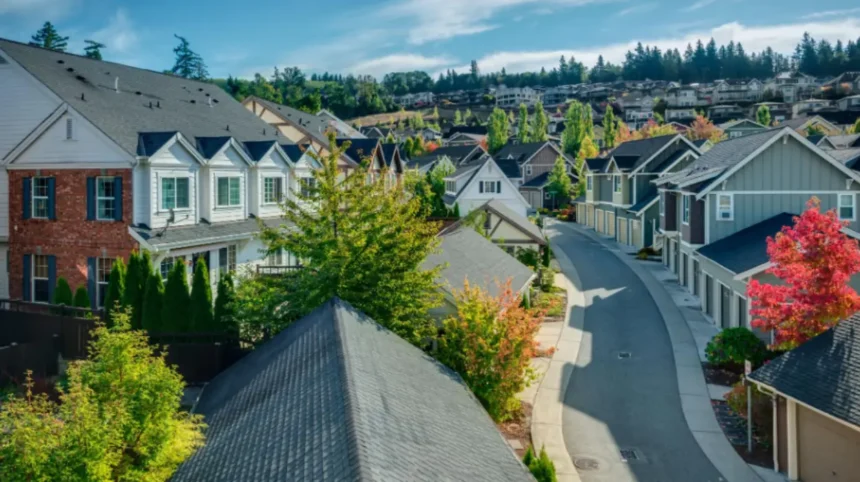
The neighborhood layout emphasizes walkability through interconnected sidewalks, landscaped public corridors, and village-style commercial zones. Visitors moving through the district often notice how easily the environment transitions between structured community spaces and nearby wooded recreation areas.

The Highlands also reflects architectural and environmental patterns associated with Pacific Northwest urban planning. Tree-lined streets, preserved green corridors, rain-conscious landscaping, and mountain-oriented sightlines contribute to a more cohesive visual environment than many standard suburban developments across western Washington.
Its location near Interstate 90 further strengthens its regional importance. Travelers exploring the Cascade foothills frequently pass through Issaquah Highlands because it serves as a practical gateway between Seattle’s metropolitan core and the outdoor recreation systems extending eastward toward mountain destinations.
Why the Elevated Ridge Location of Issaquah Highlands Creates a Scenic Experience
The ridge-top positioning of Issaquah Highlands is one of the primary reasons the area attracts visitors beyond local residents. Elevated terrain creates broad visibility across surrounding forests, valleys, and foothill landscapes while preserving a quieter atmosphere compared to more heavily commercialized suburban corridors.

During clear conditions, visitors can observe extensive views toward the Issaquah Valley and portions of the surrounding Cascade foothills. Seasonal weather patterns also shape the travel experience. Autumn foliage transforms the surrounding hillsides into colorful forest panoramas, while winter fog and mist often create dramatic layered scenery across the ridge system.
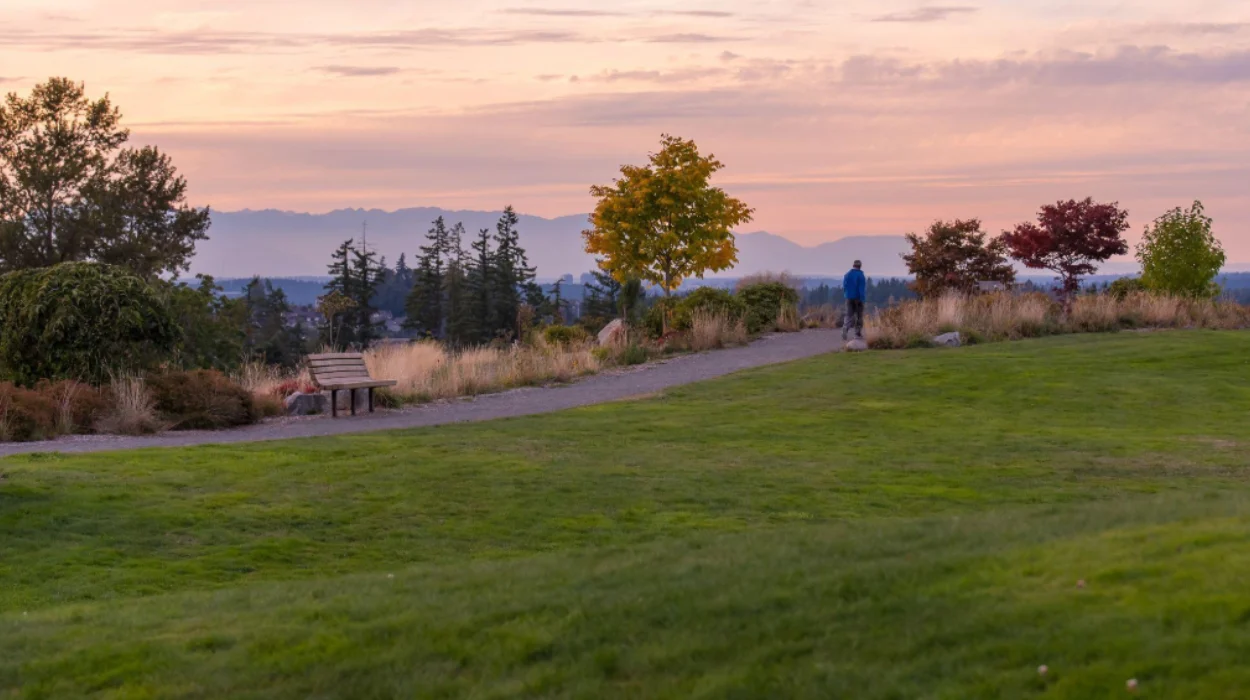
The Highlands benefits from immediate proximity to natural corridors that connect with the broader Issaquah Alps region. These protected landscapes help maintain a balance between development and environmental preservation, reinforcing the area’s appeal for travelers seeking scenic suburban destinations rather than dense urban tourism centers.
Morning walks and evening exploration are particularly popular because lighting conditions highlight the surrounding terrain and mountain backdrop. This visual accessibility strengthens the district’s identity as a lifestyle-oriented destination connected closely to nature.
How Walkable Streets and Public Spaces Shape the Visitor Experience in Issaquah Highlands
One of the defining characteristics of Issaquah Highlands is its pedestrian-focused design. Unlike many suburban neighborhoods built primarily around vehicle traffic, the Highlands supports walking as a core part of the visitor experience.
Wide sidewalks, connected pathways, landscaped streetscapes, and organized public gathering areas encourage slower exploration throughout the district. Visitors can move comfortably between parks, residential areas, retail spaces, and recreational corridors without depending entirely on driving.
Village Green Park serves as one of the central public gathering locations within the community. Open lawns, recreational facilities, walking paths, and surrounding civic spaces contribute to the neighborhood’s social and visual identity. The area also supports seasonal community activities that reinforce the Highlands’ village-style atmosphere.

Smaller neighborhood parks and preserved greenbelts further improve pedestrian continuity across the district. These features help reduce the fragmented appearance often associated with suburban development and instead create a more unified environment where public and natural spaces feel interconnected.
The overall experience appeals strongly to travelers interested in urban planning, suburban lifestyle tourism, and sustainable community design. Rather than functioning only as a residential zone, Issaquah Highlands operates as a destination where visitors can observe how modern planning principles integrate outdoor recreation, scenic visibility, and public accessibility.
What Outdoor Recreation Opportunities Are Accessible Near Issaquah Highlands
Outdoor access is one of the most important reasons travelers visit the Issaquah Highlands area. The district sits near several major recreation zones within the Issaquah Alps system, a network of forested mountains and protected landscapes east of Seattle.
Cougar Mountain Regional Wildland Park offers nearby hiking opportunities with forest trails, elevated viewpoints, and wildlife observation areas. The mountain’s dense tree cover and natural terrain provide a classic western Washington outdoor environment within close reach of suburban infrastructure.
Travelers can also access Tiger Mountain State Forest, which includes more advanced hiking routes and larger forest systems extending deeper into the Cascade foothills. These recreation areas make the Highlands particularly appealing for visitors seeking both convenience and direct nature access during short regional trips.
Additional outdoor connectivity extends toward Lake Sammamish State Park and scenic driving routes throughout eastern King County. Visitors can therefore combine hiking, sightseeing, waterfront recreation, and suburban exploration within a single itinerary.
The ability to transition quickly from organized public spaces to large-scale forest recreation areas distinguishes Issaquah Highlands from many other planned communities in the Seattle metropolitan region.
Why Issaquah Highlands Represents Pacific Northwest Lifestyle Tourism
Lifestyle tourism continues to grow throughout the Pacific Northwest as travelers increasingly prioritize destinations that combine outdoor access, wellness-oriented environments, walkability, and scenic quality. Issaquah Highlands aligns closely with these travel preferences because the district emphasizes experience-driven community planning rather than large entertainment attractions.
The area attracts visitors interested in slower-paced exploration, environmental integration, and everyday regional culture. Instead of focusing on nightlife or large tourist districts, the Highlands provides a setting where visitors can experience how suburban communities in western Washington interact with surrounding natural systems.
This balance reflects broader Pacific Northwest identity patterns visible throughout communities near Seattle, Bellevue, and the Cascade foothills. Environmental preservation, outdoor recreation access, and pedestrian-centered development play major roles in shaping local travel experiences.
For visitors seeking alternatives to central Seattle tourism, Issaquah Highlands provides a quieter but still visually engaging destination connected to broader regional recreation networks.
If you are visiting this area, you may also want to explore: best coffee shops in Issaquah Highlands area. Café-focused stops complement the neighborhood’s walkable atmosphere and support travelers looking for relaxing spaces before or after exploring nearby parks, scenic overlooks, and hiking corridors.
How Issaquah Highlands Connects Travelers to the Broader Nature Zones Around Issaquah
The Highlands functions as an important transition point between suburban King County and the larger mountain recreation systems extending eastward into Washington’s Cascade region. Its geographic position allows travelers to access both urban services and outdoor destinations efficiently.
Nearby transportation corridors connect visitors toward regional attractions including Snoqualmie Pass, Mount Si, and the expanding trail systems surrounding the Issaquah Alps network. This accessibility strengthens the area’s value for day trips and weekend travel itineraries.
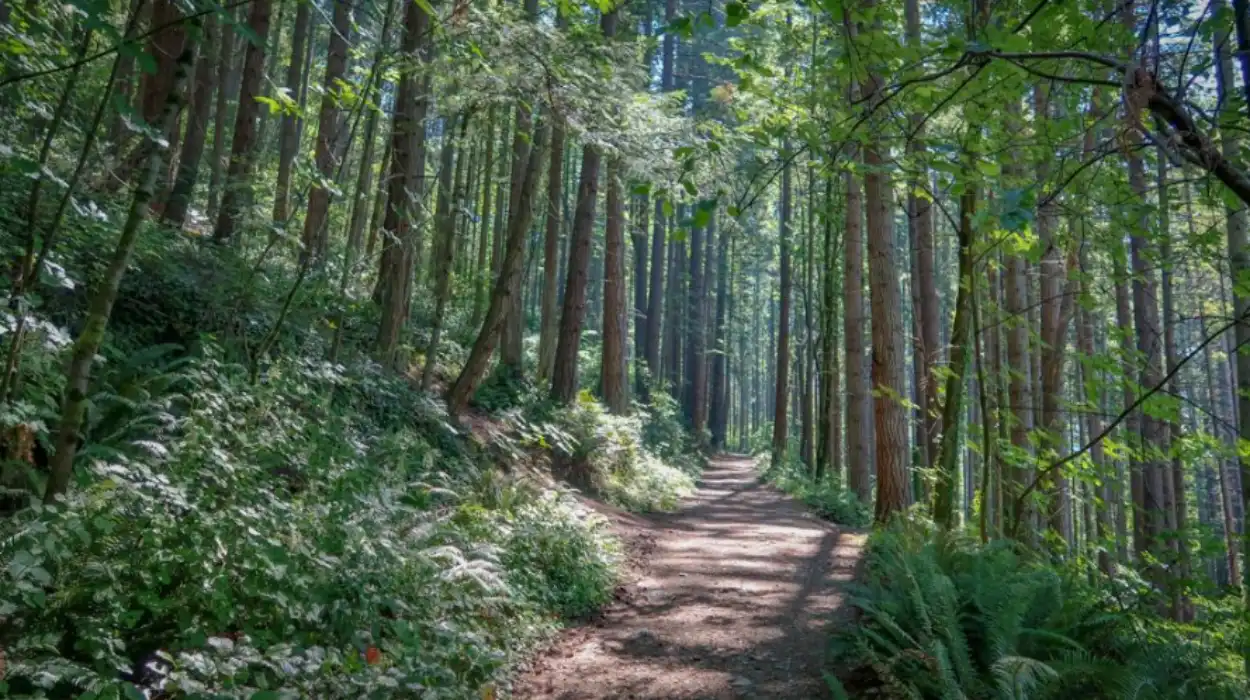
Issaquah itself already serves as a recognized gateway city for outdoor recreation in King County. The Highlands extends that role by offering a more structured and scenic environment where travelers can begin or conclude broader exploration across eastern Washington’s forested landscapes.
The community’s proximity to major highways, recreation zones, and preserved natural areas also makes it attractive for remote workers, digital nomads, and visitors interested in modern lifestyle-focused destinations. Scenic accessibility combined with organized public infrastructure helps position Issaquah Highlands as more than a residential neighborhood within the Seattle metropolitan area.
Frequently Asked Questions About Issaquah Highlands
Is Issaquah Highlands worth visiting for tourists?
Yes, Issaquah Highlands is worth visiting for travelers interested in scenic suburban environments, walkable public spaces, and outdoor recreation access near Seattle. The area combines mountain views, organized community design, and nearby hiking opportunities within eastern King County.
What is Issaquah Highlands known for?
Issaquah Highlands is known for being a master-planned community with pedestrian-friendly design, ridge-top scenery, and close proximity to the Issaquah Alps recreation system. It also serves as a gateway to outdoor destinations near the Cascade foothills.
Are there hiking trails near Issaquah Highlands?
Several hiking areas are located near Issaquah Highlands, including Cougar Mountain, Tiger Mountain, and other sections of the Issaquah Alps trail network. These areas support hiking, trail running, nature photography, and forest exploration year-round.
How far is Issaquah Highlands from Seattle?
Issaquah Highlands is located east of Seattle and is generally reachable within 20 to 30 minutes depending on traffic. Its location near Interstate 90 makes it convenient for regional day trips and outdoor-focused travel itineraries.
What is the best season to visit Issaquah Highlands?
Late spring through early fall typically offers the best conditions for scenic exploration and outdoor recreation. Autumn is especially popular because changing foliage enhances the surrounding mountain and forest landscapes throughout Issaquah.
Why do travelers visit Issaquah Highlands instead of central Seattle?
Travelers often choose Issaquah Highlands because it provides quieter surroundings, easier nature access, scenic mountain visibility, and walkable public spaces without the density and congestion associated with downtown Seattle tourism districts.