

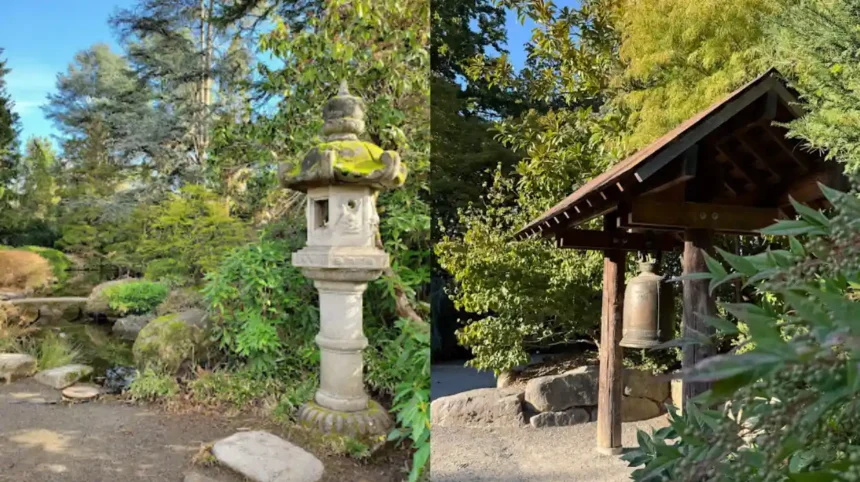
Kubota Garden is considered one of the most peaceful hidden attractions in Seattle because it combines traditional Japanese landscape design with quiet walking trails, seasonal plant displays, and a calm atmosphere away from the city’s busiest tourism districts. Located in South Seattle within King County, the garden offers visitors a slower and more reflective experience compared to crowded landmarks like the Space Needle or Pike Place Market.
Unlike many urban parks in the Pacific Northwest, the garden was designed with layered natural scenery, elevation changes, ponds, bridges, and carefully arranged plant life that encourage mindful exploration. Tourists often discover it while searching for less commercial attractions near Downtown Seattle. Its location in the Rainier Beach neighborhood also contributes to its “hidden gem” reputation because it sits outside the city’s primary tourist corridor.
The garden was created by Fujitaro Kubota, a Japanese immigrant and master landscaper who blended traditional Japanese gardening principles with native Pacific Northwest elements. This combination gives the destination a unique visual identity that feels deeply connected to Washington State’s climate and terrain.
What Makes the Japanese Garden Design at Kubota Garden Different From Other Seattle Parks
The landscape architecture at Kubota Garden follows classic Japanese garden design concepts centered around harmony, movement, seasonal awareness, and controlled asymmetry. Visitors immediately notice that every path, pond, stone arrangement, and tree placement appears intentional rather than decorative.
How layered landscapes create visual calm
One of the hidden reasons travelers appreciate the garden is the way it guides movement naturally. Curved pathways prevent visitors from seeing the entire landscape at once. Instead, each section reveals itself gradually through bridges, maple groves, water features, and elevated viewpoints. This technique reflects traditional Japanese stroll garden design.

The use of water is especially important. Reflective ponds and waterfalls create natural sound barriers that reduce nearby urban noise from South Seattle streets. This makes the garden feel physically separated from the surrounding city despite being inside King County.
Why Pacific Northwest plants fit naturally into the design
The garden successfully blends Japanese aesthetics with local vegetation from the Pacific Northwest. Moss-covered stones, towering conifers, ferns, and maples thrive in Seattle’s damp climate, making the landscape appear naturally established rather than artificially maintained.
Seasonal transitions are also central to the experience. Spring introduces cherry blossoms and fresh greenery, summer creates dense shaded pathways, autumn transforms the garden with red and orange Japanese maple foliage, and winter highlights the structure of bridges, stones, and evergreen trees.

This constant visual change encourages repeat visits throughout the year.
Which Walking Paths and Quiet Zones Should Visitors Explore Inside Kubota Garden
Many visitors spend one to two hours exploring the interconnected walking trails throughout the garden. The paths are designed to slow movement intentionally, encouraging observation and reflection rather than quick sightseeing.
The heart bridge and pond viewpoints
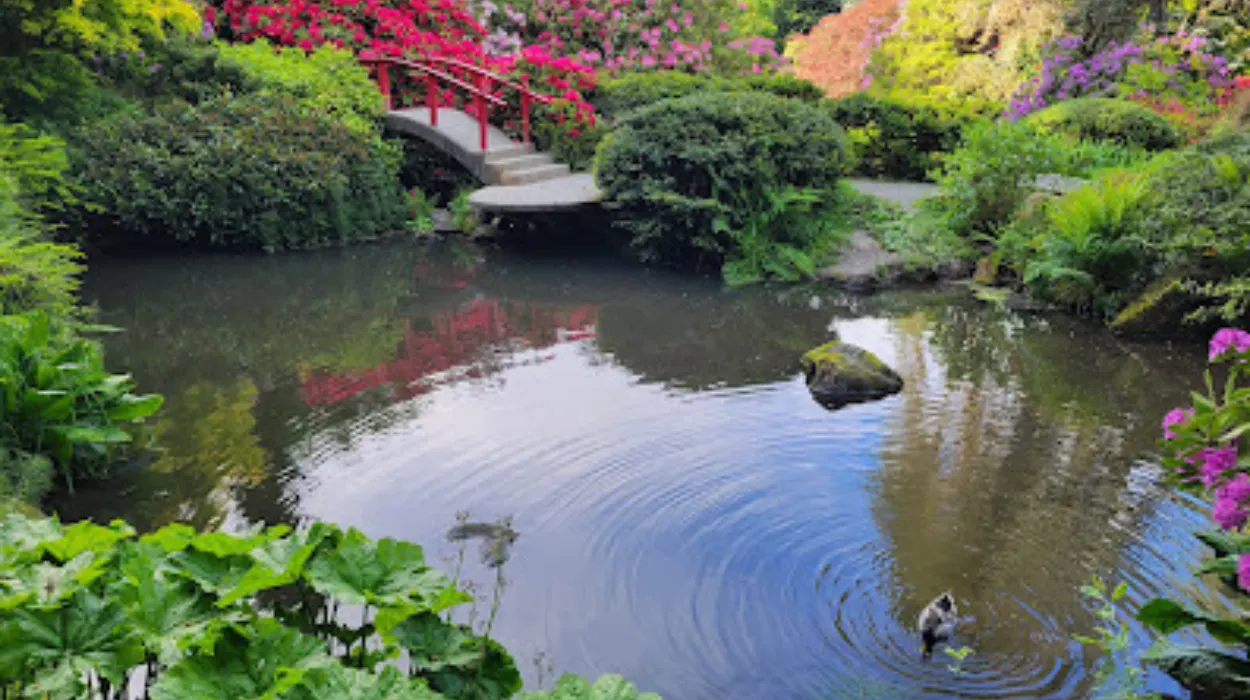
The red bridge areas are among the most photographed locations inside the garden because they create strong visual contrast against surrounding greenery and water reflections. These sections often attract landscape photographers and visitors looking for peaceful resting points.
The ponds surrounding these bridges contain koi fish and reflective surfaces that mirror nearby trees during calm weather. Early morning light creates especially clear reflections, making sunrise visits popular among photographers.
Woodland trails and elevated overlooks
Some of the quieter walking areas are located farther from the central entrance. Elevated trails provide broader views of layered trees and water features while reducing foot traffic noise. These sections feel more secluded and are commonly used for mindfulness walks, solo photography sessions, and quiet conversation.
Unlike highly structured botanical gardens, Kubota Garden balances open spaces with enclosed pathways. This creates a feeling of discovery that many tourists do not expect from a public city garden.

Why the garden appeals to mindfulness-focused travelers
Visitors looking for calm environments often prefer the garden because it naturally supports slower experiences. The absence of commercial activity inside the grounds allows travelers to focus on sound, scenery, and movement rather than shopping or entertainment distractions.
The combination of flowing water, shaded pathways, and controlled landscaping creates an environment commonly associated with mindfulness and relaxation tourism.
When Is the Best Time to Visit Kubota Garden for Seasonal Scenery and Photography
The best time to visit depends on the type of scenery travelers want to experience, but autumn and spring are generally considered the most visually dramatic seasons.
Why autumn attracts photographers across Seattle
Fall is one of the busiest photography periods because Japanese maples transform into bright red, orange, and yellow focal points throughout the landscape. Reflections in ponds become more vibrant, and cooler weather makes walking more comfortable.
Photography enthusiasts often compare the autumn scenery at Kubota Garden with other scenic destinations in King County, including Washington Park Arboretum and Japanese Garden.
Why spring creates the most balanced visitor experience
Spring offers blooming cherry blossoms, fresh green foliage, and flowing water features enhanced by seasonal rainfall. Temperatures are typically mild, and the garden appears especially vibrant after winter.
Morning visits during spring are ideal for travelers seeking quieter conditions and softer natural lighting for photography.
Best daily timing for peaceful exploration
Early mornings are widely considered the best time for visitors who want minimal crowds and calmer photography conditions. Weekdays also provide quieter experiences compared to weekends.
Late afternoon visits can still be peaceful, but lighting conditions vary depending on cloud cover and season. Seattle’s changing weather patterns often create dramatic contrasts between sunlight and mist, which many photographers intentionally seek.
Why Kubota Garden Feels Hidden Compared to Major Seattle Attractions
One reason tourists describe the garden as a hidden attraction is its distance from Seattle’s central tourism zone. Most first-time visitors focus on Downtown Seattle landmarks such as the Seattle Waterfront, Museum of Pop Culture, or the Seattle Center area.
Because Kubota Garden is located farther south in a residential section of the city, it receives less spontaneous tourist traffic. Travelers usually discover it intentionally through local recommendations, photography guides, or peaceful travel searches.
This separation from commercial tourism districts enhances the visitor experience. Parking areas are generally calmer, pathways feel less crowded, and the atmosphere remains more reflective than entertainment-oriented.
The garden also lacks the aggressive branding associated with major tourist attractions. Instead of functioning as a heavily commercial destination, it operates more like a preserved cultural and natural space within King County.
What Visitor Etiquette Should Travelers Follow While Exploring Kubota Garden
Visitors are encouraged to treat the garden as a quiet cultural landscape rather than a recreational playground. Respectful behavior helps preserve the peaceful environment that attracts travelers in the first place.
Why staying on designated paths matters
Walking on marked trails protects delicate moss areas, plant arrangements, and landscaped soil structures. Some sections appear open but are intentionally preserved for visual composition and ecological health.
How quiet behavior improves the experience for everyone
Many visitors come specifically for meditation, photography, reading, or reflective walking. Keeping conversations low and minimizing loud music supports the calming atmosphere throughout the grounds.
Photography sessions are common, but respectful spacing is appreciated during busy seasonal periods.
Weather preparation for Seattle garden visits
Seattle weather can shift quickly, especially during autumn and spring. Comfortable waterproof footwear is useful because pathways may remain damp after rainfall. Layered clothing is also recommended due to changing temperatures during morning and evening hours.
What Nearby Seattle Experiences Pair Well With a Visit to Kubota Garden
Travelers exploring South Seattle often combine the garden with nearby cultural and outdoor destinations across
King County. The area connects naturally with scenic drives, neighborhood exploration, and Japanese cultural experiences.
If you are visiting this area, you may also want to explore: Japanese tea and sushi spots near Kubota Garden.
This complementary food-focused experience works well for travelers looking to continue the calming atmosphere after walking through the garden. It satisfies dining and relaxation intent by helping visitors discover Japanese-inspired cafés, tea houses, and sushi restaurants connected to Seattle’s broader cultural landscape.
Many tourists combine peaceful sightseeing with local dining experiences to create a slower and more immersive day trip outside Downtown Seattle’s busiest areas.
Frequently Asked Questions About Visiting Kubota Garden
Is Kubota Garden free to visit?
Yes, the garden is free to the public. Visitors can explore walking paths, ponds, bridges, and landscaped areas without an admission fee. Parking is also available nearby, making it an accessible attraction for travelers exploring Seattle on different budgets.
How long does it take to walk through Kubota Garden?
Most visitors spend between one and two hours inside the garden. Photography sessions, quiet walking, and seasonal sightseeing can extend visits, especially during autumn foliage and spring bloom periods.
What is the best season to visit Kubota Garden?
Autumn is popular for colorful maple foliage, while spring attracts visitors with cherry blossoms and fresh greenery. Both seasons provide excellent photography conditions and comfortable walking temperatures in Seattle.
Is Kubota Garden good for photography?
Yes, the garden is considered one of Seattle’s best locations for landscape and nature photography. Bridges, reflective ponds, waterfalls, and seasonal foliage create strong visual compositions throughout the property.
Why is Kubota Garden considered a hidden gem?
The garden sits outside Seattle’s primary tourist districts, so many travelers discover it through local recommendations rather than mainstream sightseeing itineraries. Its quiet atmosphere and residential location contribute to its hidden reputation.
Can visitors meditate or practice mindfulness inside the garden?
Many visitors use the garden for reflective walking, mindfulness, and quiet observation. The calm environment, flowing water sounds, and shaded pathways naturally support peaceful experiences when visitors follow respectful etiquette.