
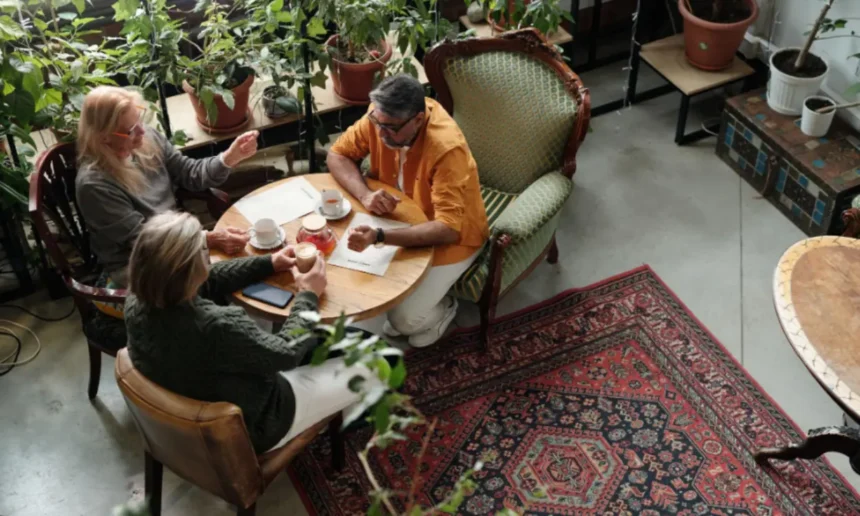
Small cafés near the Crystal Springs area in King County, Washington, attract visitors because they combine quiet natural surroundings with low-pressure local hospitality close to forest access points, scenic foothill roads, and peaceful walking environments. Travelers exploring the Cascade foothills region often look for calm stops that complement outdoor experiences without the heavy crowds found in Seattle’s busiest tourist corridors.
The Crystal Springs area is known for its forest scenery, nearby trail systems, seasonal greenery, and slower-paced atmosphere. Visitors searching for hidden nature access points in Washington frequently explore the surrounding communities for locally operated cafés that fit the area’s relaxed outdoor identity. These cafés serve as practical stopping points before or after short walks, scenic drives, photography outings, and nature-focused day trips through King County.
Unlike high-traffic urban café districts, the small cafés around Crystal Springs and nearby mountain-access communities provide quieter seating environments, roadside convenience, and access to regional scenery connected to the Snoqualmie Valley and Interstate 90 corridor. Many travelers use these stops as part of broader exploration routes toward Snoqualmie Pass, North Bend, and forest recreation areas in western Washington.
What Makes the Crystal Springs Washington Area Different From Crowded Outdoor Tourism Locations?
The Crystal Springs area stands out because it offers quieter forest access compared to heavily visited recreation destinations across Washington State. Travelers seeking peaceful outdoor environments often prefer the wooded foothill zones near King County rather than major urban parks or highly commercialized mountain centers.
The surrounding landscape includes evergreen forests, elevation changes, seasonal wild vegetation, and scenic roadside pull-offs connected to the Cascade Range region. Visitors frequently choose the area for short walking experiences, roadside relaxation, photography, and nature immersion without the congestion associated with larger tourist attractions.

The nearby transportation connectivity also increases its appeal. Interstate 90 allows travelers from Seattle, Bellevue, and Snoqualmie to reach the Crystal Springs region relatively quickly while still experiencing a noticeable shift from urban density into forested mountain scenery. This balance between accessibility and quiet atmosphere supports the area’s reputation as a hidden nature-access destination.
Smaller cafés around these routes naturally benefit from travelers looking for calm rest stops that align with outdoor-focused experiences. Instead of destination dining, these cafés typically function as supportive travel amenities that enhance scenic exploration throughout King County and the Cascade foothills.
Which Scenic Walking Experiences Near Crystal Springs Appeal to Low-Crowd Travelers?
The Crystal Springs region appeals to visitors who prefer slower-paced outdoor movement instead of high-intensity recreational tourism. Scenic roadside walks, forest-edge viewpoints, and lightly trafficked nature access points contribute to the area’s peaceful reputation.

Travelers often explore nearby forest service roads, wooded pull-offs, and walking environments connected to the Snoqualmie Pass corridor. During spring and summer, dense greenery and mountain vegetation create shaded pathways that attract photographers, casual walkers, and travelers interested in quiet outdoor environments.
Autumn is particularly popular because the surrounding foliage transitions into seasonal color changes that contrast with evergreen forest landscapes. Cooler weather and reduced summer tourism also make the area more attractive for visitors searching for uncrowded nature experiences in King County.
Winter conditions create a different atmosphere altogether. Snow accumulation in nearby higher-elevation areas changes the visual landscape dramatically, while roadside cafés become useful warm-up stops for travelers moving through mountain corridors. Even during colder months, the region continues to attract visitors interested in scenic drives and peaceful forest surroundings.
Because many visitors spend extended periods driving between nature access points, smaller cafés become integrated into the overall visitor experience rather than functioning as standalone destinations.
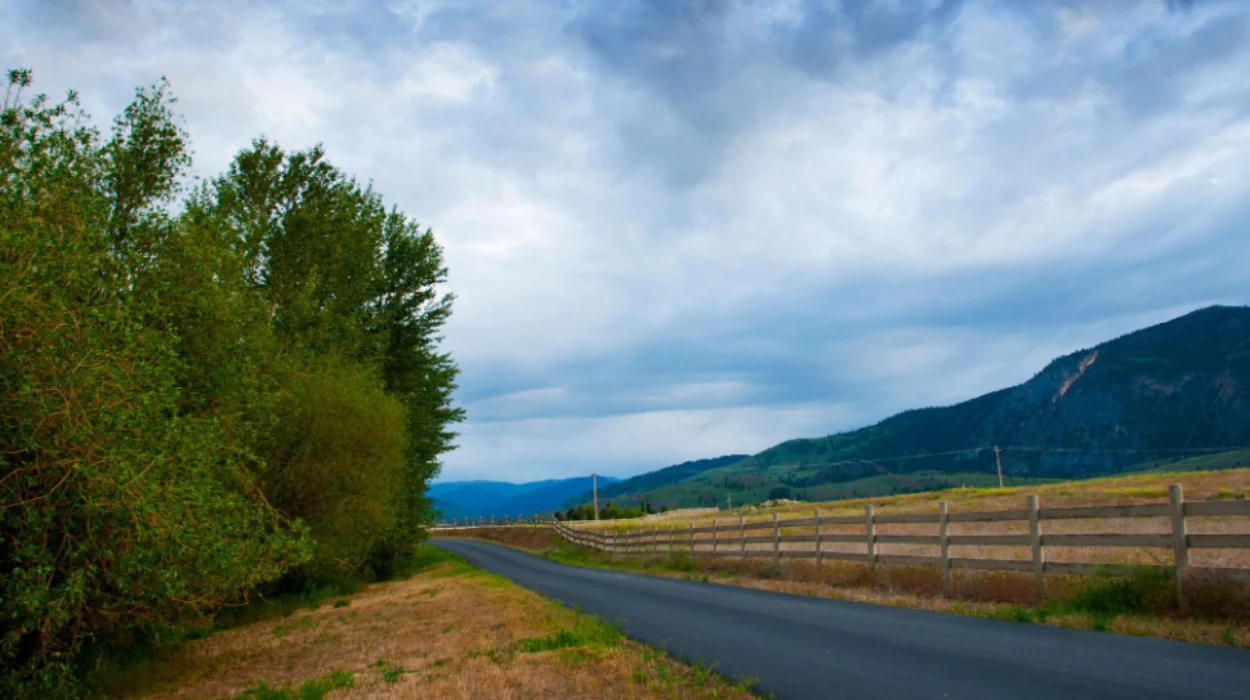
Why Do Travelers Search for Quiet Café Stops Near Nature Access Points in Washington?
Travelers increasingly search for quiet cafés near outdoor recreation zones because they want flexible rest areas that support longer scenic exploration days. In Washington State, especially within King County and the Cascade foothills, visitors often combine coffee stops with photography routes, hiking access, and nature-focused sightseeing.
The cafés near Crystal Springs typically appeal to:
- Travelers avoiding crowded tourist districts
- Remote workers exploring scenic regions
- Weekend road-trip visitors from Seattle
- Nature photographers
- Casual walkers and forest visitors
- Couples seeking quieter travel environments
These cafés complement the region’s atmosphere because they mirror the slower pace associated with forest tourism. Many travelers prefer local café environments where they can pause between trail visits, weather shifts, or scenic drives without entering busy commercial centers.
The overall experience becomes more about environmental continuity than dining itself. Forest scenery, mountain weather, roadside viewpoints, and quiet hospitality collectively shape the appeal of the Crystal Springs area.
If you are visiting this area, you may also want to explore: peaceful nature access around Crystal Springs. This related travel topic complements the café experience by helping visitors understand why the region attracts low-crowd outdoor tourism, scenic walking interest, and forest-based relaxation throughout King County.
How Does Seasonal Greenery Influence Visitor Interest Around Crystal Springs Washington?
Seasonal environmental changes play a major role in tourism patterns near Crystal Springs. Unlike destinations focused entirely on summer recreation, this area attracts visitors throughout multiple seasons because of changing forest visuals and mountain conditions.
During spring, rainfall and warming temperatures create dense greenery throughout the surrounding foothill forests. Moss-covered trees, flowing runoff areas, and fresh vegetation contribute to the region’s scenic identity. Travelers often choose slower scenic drives during this period because the forests appear especially vibrant.
Summer increases accessibility to roadside nature access points and walking environments. Longer daylight hours encourage visitors to combine scenic exploration with short café stops along Interstate 90 routes and nearby mountain communities.
Autumn is widely regarded as one of the most visually attractive periods for visiting the broader Snoqualmie and Crystal Springs corridor. Seasonal foliage introduces yellow, orange, and red tones into the heavily evergreen landscape, making photography and scenic walking especially popular.
Winter transforms the experience again. Snowfall in nearby mountain elevations creates dramatic contrasts across forest scenery while quieter tourism patterns return to the area. Travelers heading toward Snoqualmie Pass frequently stop in surrounding communities for short breaks before continuing through the Cascade region.
Because the environment changes significantly across seasons, visitor interest remains relatively consistent throughout the year rather than concentrating entirely into a single tourism window.
What Nearby Connections Make Crystal Springs a Convenient Day-Trip Destination?
One of the strongest advantages of the Crystal Springs area is its regional connectivity. Travelers can access nearby natural destinations, scenic corridors, and mountain communities without needing extensive travel planning.
Seattle residents often reach the broader area through Interstate 90 for quick weekend exploration. North Bend and Snoqualmie provide nearby reference points that help travelers organize day trips around scenic driving, walking access, and seasonal sightseeing.
The surrounding Cascade foothills region also connects travelers to additional outdoor destinations, including:
- Snoqualmie Pass recreation areas
- Forest service roads
- Scenic mountain overlooks
- Seasonal snow-access routes
- Photography locations
- Forest picnic environments
This regional accessibility supports the area’s appeal for low-commitment travel. Visitors do not necessarily need extensive hiking preparation or overnight planning to experience the scenery. Instead, many travelers prefer flexible half-day or full-day outings centered around peaceful movement through forest environments.
Small cafés fit naturally into this travel structure because they offer convenient transition points between scenic destinations. Rather than dominating the experience, they support the broader tourism pattern associated with quiet nature access and mountain exploration.
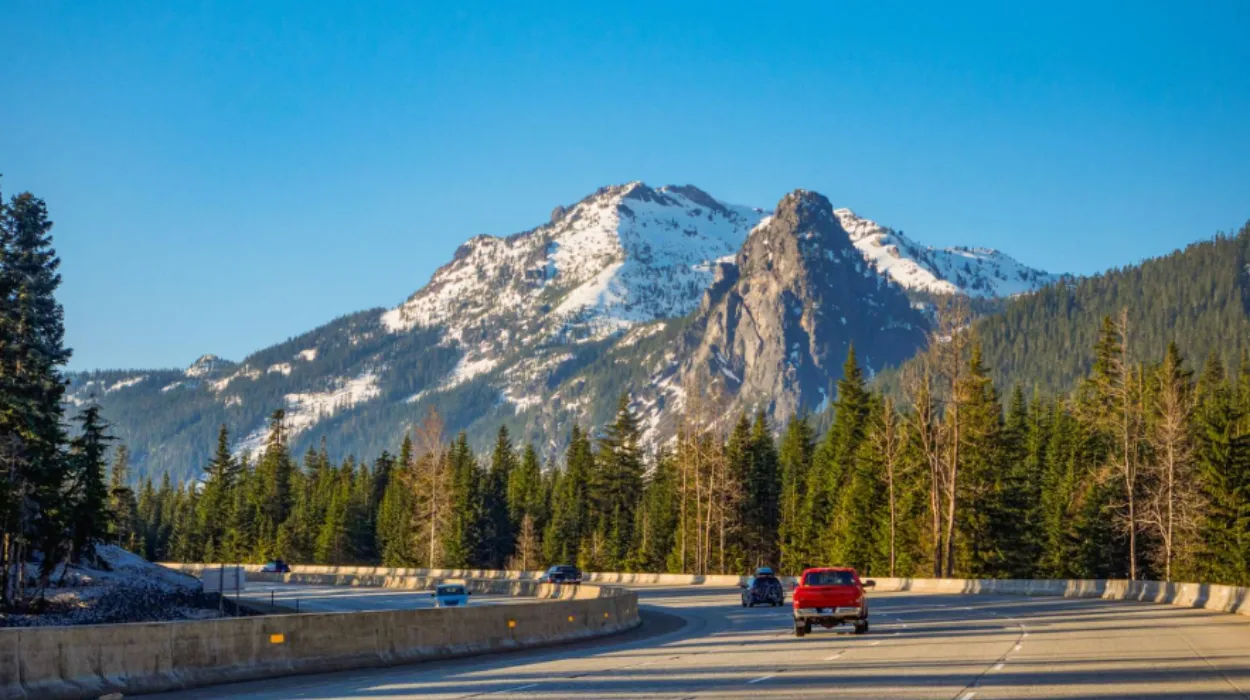
Why Is the Crystal Springs Area Becoming More Relevant for Quiet Tourism Trends?
Quiet tourism has become increasingly important across Washington State as travelers look for alternatives to overcrowded destinations. The Crystal Springs area aligns closely with this trend because it offers accessible natural scenery without the intensity of major recreational hotspots.
Many travelers now prioritize:
- Reduced crowd exposure
- Slower travel pacing
- Scenic relaxation
- Flexible outdoor access
- Regional authenticity
- Nature-centered day trips
The Crystal Springs region supports these priorities through its combination of forest surroundings, seasonal atmosphere, roadside accessibility, and proximity to larger King County population centers.
The area’s appeal is also strengthened by its adaptability. Some visitors focus on photography and scenic drives, while others prioritize walking access, quiet cafés, or seasonal exploration. This broad compatibility allows the region to satisfy multiple forms of search intent related to hidden nature tourism in Washington.
As more travelers search for peaceful alternatives to crowded outdoor destinations, areas like Crystal Springs continue gaining visibility among regional tourism audiences.
Frequently Asked Questions About Crystal Springs Washington
Is Crystal Springs Washington good for quiet outdoor tourism?
Yes, the Crystal Springs area is known for quieter forest surroundings, scenic roadside access, and low-crowd outdoor environments compared to larger tourist-heavy recreation destinations in Washington State. Many visitors prefer it for peaceful walking experiences and scenic drives.
What is the best season to visit Crystal Springs in King County?
Autumn and spring are especially popular because seasonal foliage and greenery enhance the forest scenery. Summer provides easier walking access, while winter offers mountain snow views and quieter tourism conditions throughout the surrounding Cascade foothills.
Are there scenic walking areas near Crystal Springs Washington?
Yes, visitors can find scenic roadside walking opportunities, forest access points, and nearby trail environments connected to the Snoqualmie Pass corridor and Cascade foothills region. Many travelers explore the area casually rather than through long-distance hiking.
Why do travelers stop at small cafés near Crystal Springs?
Travelers often use local cafés as peaceful rest stops during scenic drives, photography outings, and nature-focused day trips. These cafés complement the region’s slower pace and outdoor atmosphere without overwhelming the travel experience.
Is Crystal Springs close to Seattle for a day trip?
Yes, the area is accessible from Seattle through Interstate 90, making it convenient for half-day or full-day scenic trips into King County’s forest and mountain regions without requiring overnight travel planning.
Does Crystal Springs attract crowded tourism?
Compared to larger outdoor recreation areas in Washington, Crystal Springs generally maintains a quieter atmosphere. Visitors commonly choose it specifically because it offers lower crowd levels and more relaxed scenic exploration opportunities.