


Kubota Garden is one of the most peaceful public gardens in King County and remains a lesser-known attraction compared with busy Seattle landmarks like the Space Needle or Pike Place Market. Located in South Seattle’s Rainier Beach neighborhood, the garden blends traditional Japanese landscape design with Pacific Northwest natural scenery, creating a calm environment filled with walking trails, ponds, bridges, maples, waterfalls, and seasonal plants.
Visitors love Kubota Garden because it feels separate from the fast pace of downtown Seattle while still being accessible within the city. The garden offers quiet walking paths, photography opportunities, reflective spaces, and changing seasonal scenery that appeal to travelers searching for hidden gems, mindfulness experiences, and authentic Japanese-inspired landscapes in Washington State.
What Makes Kubota Garden Different From Other Seattle Attractions and Public Parks?
Kubota Garden stands out because it combines Japanese garden philosophy with the natural topography of the Pacific Northwest. Unlike heavily commercial tourist locations in Seattle, the garden focuses on balance, harmony, water features, stone arrangements, and seasonal transitions rather than entertainment-driven attractions.
The garden was created by Fujitaro Kubota, a Japanese immigrant landscape designer who began developing the property in 1927. Today, the 20-acre garden reflects both Japanese cultural aesthetics and Seattle’s environmental identity. This combination creates a layered visual experience rarely found in urban parks across King County.
The garden’s hidden reputation also comes from its location. Travelers staying near Downtown Seattle, Capitol Hill, or the Seattle Waterfront often overlook Rainier Beach when planning sightseeing itineraries. Because of this, Kubota Garden remains quieter than locations such as Discovery Park or the Washington Park Arboretum, even during peak tourism seasons.

Another reason visitors appreciate the garden is the absence of heavy commercialization. There are no crowded retail areas, loud attractions, or dense traffic zones within the property. The environment supports slow travel experiences, mindful walking, and intentional exploration.
How Do the Walking Paths and Garden Zones Create a Relaxing Visitor Experience?
Kubota Garden’s design encourages gradual exploration through interconnected paths and layered garden zones. Instead of a single central attraction, the landscape unfolds naturally through curved walkways, elevation changes, bridges, and water features.
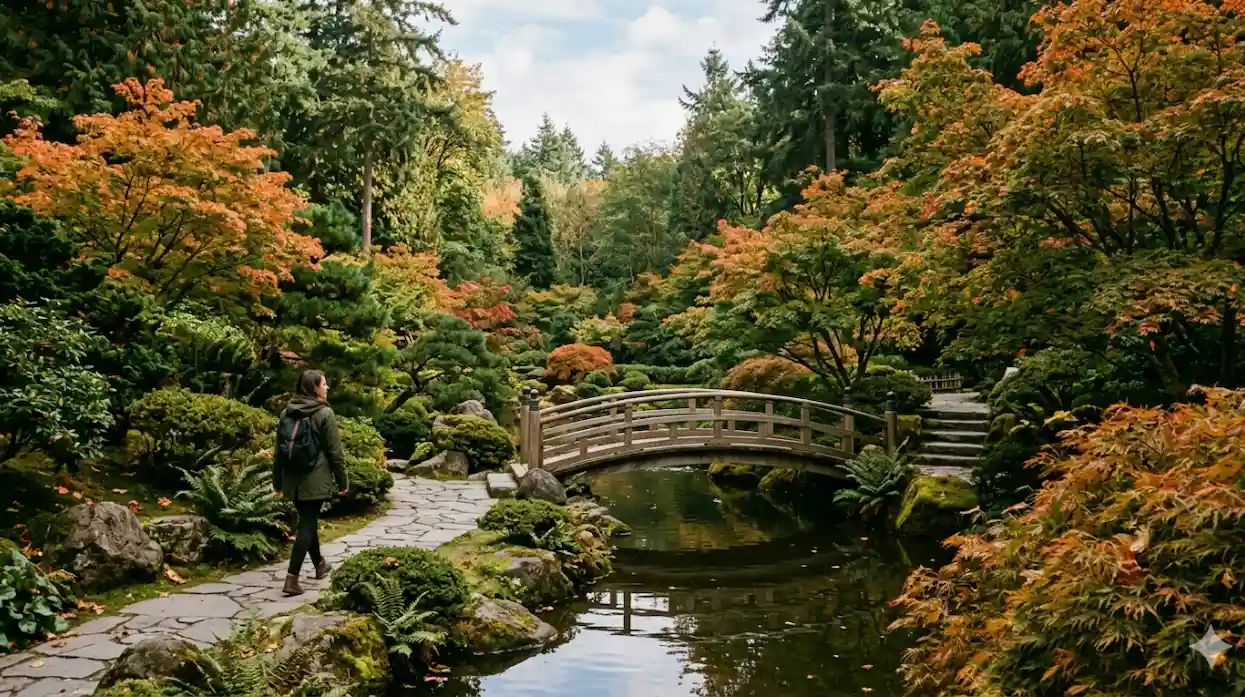
One of the most photographed areas is the Heart Bridge, which overlooks reflective ponds surrounded by Japanese maples and evergreen trees. The bridge creates strong visual symmetry, especially during autumn foliage season. Nearby pathways guide visitors through shaded woodland sections and open viewing areas that showcase the garden’s changing textures.

The Terrace Overlook gives visitors elevated views of ponds, waterfalls, and stone landscaping. This section demonstrates how Japanese garden design emphasizes perspective and controlled visual framing. Travelers interested in landscape architecture often visit Kubota Garden specifically to observe these design techniques.
The garden also contains quiet benches and meditation-friendly spaces positioned away from the main walking routes. These locations appeal to visitors seeking mindfulness activities, reading spots, or low-stimulation outdoor experiences within Seattle.
Because the walking paths are spread across multiple levels and terrain types, visitors experience a gradual shift between open and enclosed environments. This creates a slower pace compared with more crowded urban parks in King County.
Why Do Seasonal Changes Make Kubota Garden Worth Visiting Throughout the Year?
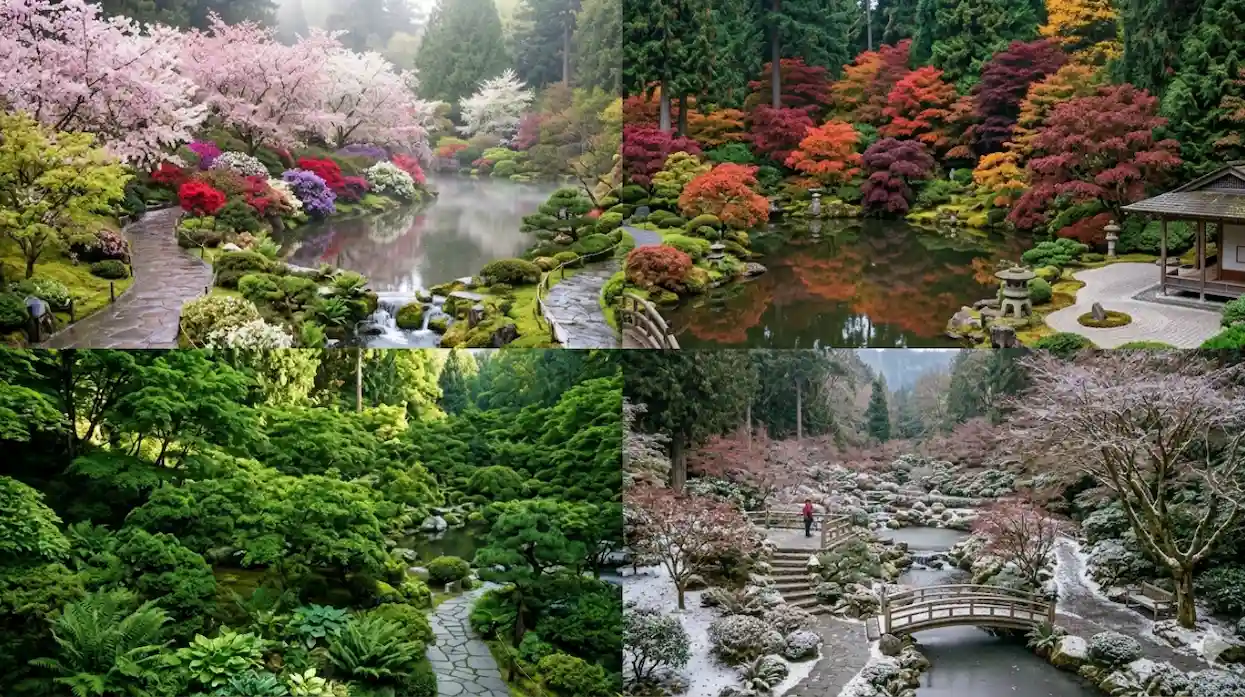
Kubota Garden changes dramatically with the seasons, making repeat visits popular among Seattle residents and tourists alike. Each season introduces different plant colors, textures, and photography conditions.
Why Is Spring One of the Most Popular Times to Visit Kubota Garden?
Spring brings cherry blossoms, fresh green foliage, flowering azaleas, and blooming rhododendrons throughout the garden. The combination of rain-washed pathways and vibrant flowers creates ideal photography conditions for visitors exploring Seattle during March, April, and May.
Spring is also when the ponds and waterfalls appear most active because of seasonal rainfall in Washington State. Early morning visits during spring often provide misty landscapes and soft lighting conditions favored by photographers.

How Does Autumn Transform Kubota Garden Into a Photography Destination?
Autumn is widely considered the most visually dramatic season at Kubota Garden. Japanese maple trees turn deep shades of red, orange, and gold, creating layered color contrasts against evergreen vegetation and stone features.
The reflection of fall foliage across the ponds is one of the most photographed scenes in the garden. Visitors searching for fall color destinations in Seattle often choose Kubota Garden because it feels quieter and more immersive than larger urban parks.
Is Kubota Garden Worth Visiting During Winter and Summer?
Summer visits provide long daylight hours and lush greenery throughout the landscape. The dense vegetation creates shaded walking areas that remain cooler than many open urban spaces around Seattle.
Winter offers a completely different atmosphere. Moss-covered stones, bare tree branches, and soft rainfall create a minimalist landscape aesthetic closely connected to traditional Japanese garden principles. Travelers seeking peaceful winter experiences in King County often appreciate the quieter seasonal environment.
Why Does Kubota Garden Feel Hidden Despite Being Located Inside Seattle?
Kubota Garden feels hidden because it exists outside Seattle’s standard tourism routes. Most visitors prioritize Downtown Seattle attractions, waterfront destinations, or neighborhoods such as Queen Anne and Fremont. Rainier Beach receives less tourist traffic, allowing the garden to maintain a quieter identity.
The entrance itself is relatively understated compared with major attractions. Visitors enter through tree-lined paths rather than large commercial gateways, reinforcing the feeling of discovering a secluded location.
The garden’s landscape design also contributes to this hidden atmosphere. Curved pathways intentionally block direct sightlines, meaning visitors never see the entire garden at once. This technique creates a sense of discovery as travelers move between ponds, bridges, stone features, and wooded sections.
Natural sound barriers further separate the space from urban surroundings. Waterfalls, dense vegetation, and elevation changes reduce city noise, making the garden feel disconnected from nearby roads and neighborhoods.
For tourists seeking hidden gems in Seattle, Kubota Garden satisfies the desire for a quiet, authentic, and less crowded destination without requiring travel outside King County.
What Photography and Mindfulness Experiences Can Visitors Expect at Kubota Garden?
Kubota Garden has become increasingly popular among photographers, mindfulness travelers, and content creators looking for peaceful outdoor settings in Seattle.
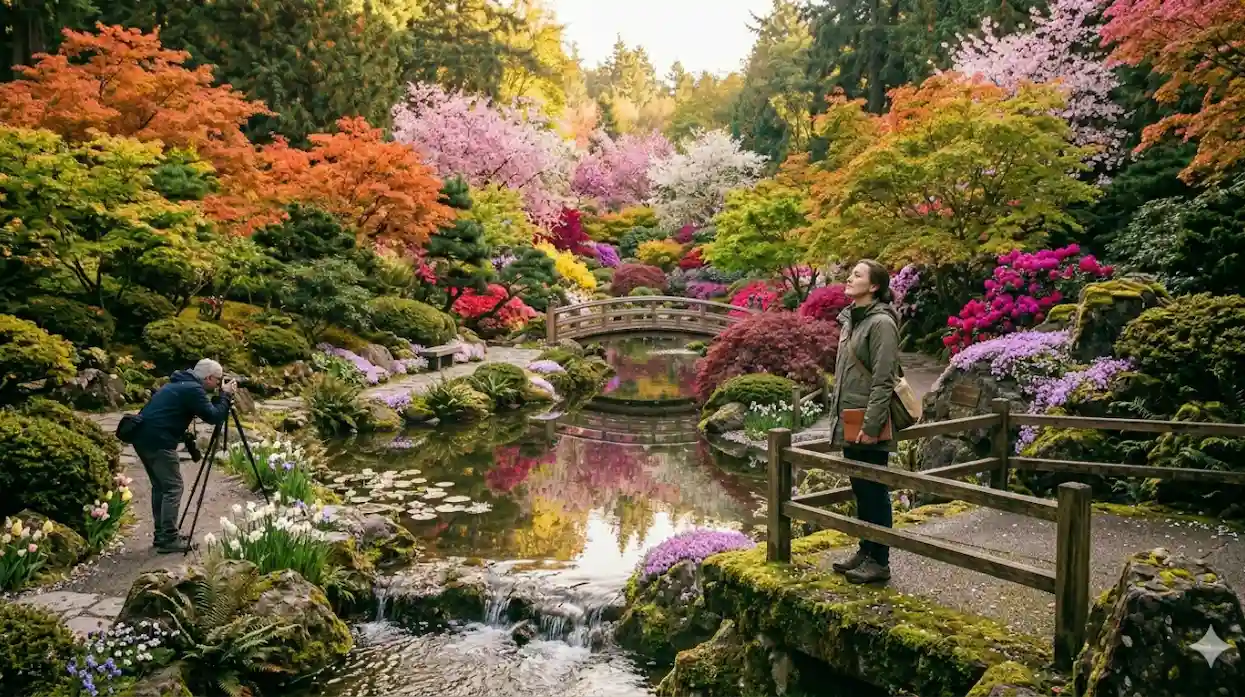
Photographers often visit during early morning or late afternoon because soft lighting enhances reflections across ponds and highlights the layered textures of stone, water, and foliage. The Heart Bridge, upper terrace views, and winding pathways are among the most photographed compositions in the garden.
Nature photographers also appreciate the seasonal variety. Spring blossoms, autumn foliage, summer greenery, and winter minimalism create entirely different visual experiences throughout the year. Because the garden changes so significantly between seasons, many photographers revisit multiple times annually.
Mindfulness visitors value the slow pace encouraged by the garden layout. Unlike busy city parks where visitors move quickly between attractions, Kubota Garden supports reflective walking, quiet observation, and low-distraction outdoor experiences.
The garden’s use of water features plays a major role in this atmosphere. Moving water from streams and waterfalls creates consistent ambient sound that reduces urban noise and enhances relaxation. Stone arrangements, wooden bridges, and carefully placed vegetation further reinforce the meditative environment.
Visitors interested in wellness tourism, mindful travel, or digital detox experiences in Seattle often include Kubota Garden in their itinerary because of this calm sensory environment.
What Visitor Etiquette and Timing Tips Help Create the Best Kubota Garden Experience?
The best time to visit Kubota Garden is typically weekday mornings or late afternoons when foot traffic remains lighter. Early visits also provide softer natural lighting and quieter walking conditions.
Spring and autumn are the busiest seasons because of blooming flowers and fall foliage. Arriving early helps visitors avoid larger photography groups and weekend crowds.
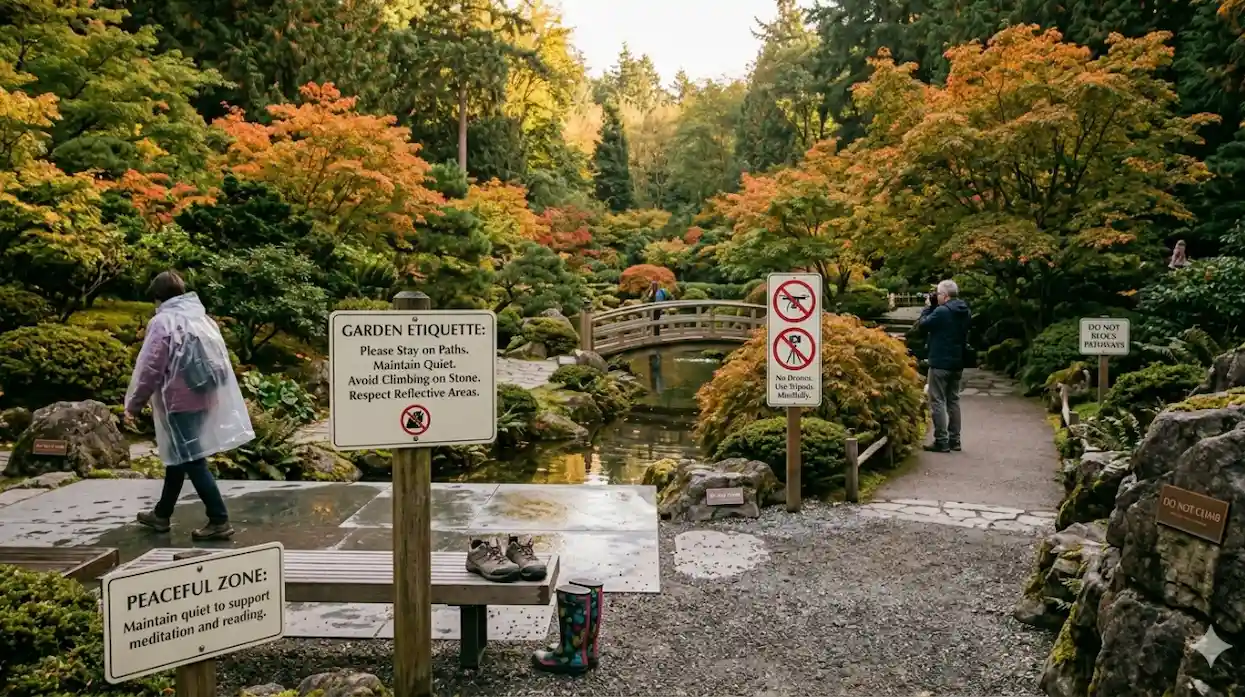
Respectful visitor behavior is important because Kubota Garden functions as both a public attraction and a cultural landscape space. Visitors should remain on designated pathways, avoid climbing on stone structures, and maintain quiet surroundings near reflective seating areas.
Drone usage may be restricted depending on local park regulations, so photographers should check Seattle Parks guidelines before visiting. Visitors are also encouraged to avoid blocking pathways during photo sessions, especially around bridges and narrow walking sections.
Comfortable walking shoes are recommended because several trails include uneven surfaces, gravel paths, and mild elevation changes. Rain-friendly clothing is also useful due to Seattle’s changing weather conditions throughout the year.
Parking availability can vary during peak foliage seasons, making weekday visits more convenient for travelers exploring South Seattle.
How Does Kubota Garden Connect With Other Seattle Travel Experiences?
Kubota Garden pairs well with broader South Seattle and King County travel itineraries focused on nature, culture, and slower-paced exploration. Travelers often combine the garden with visits to Seward Park, Lake Washington viewpoints, or cultural districts throughout South Seattle.
Because the garden emphasizes calm and mindfulness, many visitors also look for relaxing dining experiences nearby after exploring the walking trails.
If you are visiting this area, you may also want to explore: Japanese tea and sushi spots near Kubota Garden. This complementary food-focused experience helps travelers extend the peaceful atmosphere of the garden into local dining, tea culture, and quiet café environments around South Seattle. It satisfies post-visit dining intent for travelers seeking authentic Japanese-inspired experiences after sightseeing.
Frequently Asked Questions About Visiting Kubota Garden in Seattle
Is Kubota Garden free to visit in Seattle?
Yes, Kubota Garden is a free public garden operated by Seattle Parks and Recreation. Visitors can walk through the grounds without purchasing admission, making it one of the most accessible peaceful attractions in King County.
How much time should visitors spend at Kubota Garden?
Most visitors spend between one and two hours exploring the walking paths, ponds, bridges, and scenic overlooks. Photographers and mindfulness visitors may stay longer during quieter hours or seasonal foliage periods.
What is the best season to visit Kubota Garden?
Spring and autumn are considered the best seasons because of cherry blossoms, azaleas, and colorful Japanese maple foliage. However, the garden remains visually appealing year-round due to its evergreen landscaping and water features.
Is Kubota Garden good for photography?
Yes, Kubota Garden is one of Seattle’s best photography locations for nature, landscape, and seasonal photography. Reflective ponds, curved bridges, waterfalls, and changing foliage create visually layered compositions throughout the year.
Where is Kubota Garden located in Seattle?
Kubota Garden is located in the Rainier Beach neighborhood in South Seattle, Washington. The garden sits within King County and is accessible by car and public transportation from Downtown Seattle.
Can visitors practice mindfulness or meditation at Kubota Garden?
Many visitors use Kubota Garden for quiet walking, mindfulness, and reflective outdoor experiences. The peaceful atmosphere, water sounds, shaded pathways, and seating areas support calm, low-distraction activities.