
The Hobart rural road trip experience near Maple Valley is popular because it combines quiet countryside roads, forested scenery, farmland landscapes, and low-traffic travel conditions within southeastern King County. Travelers looking for peaceful weekend drives near the Seattle metropolitan region often choose the Hobart area for its scenic rural geography, photography opportunities, and slower travel pace.
Located between Maple Valley, Issaquah, and the foothill communities near the Cascade region, Hobart offers a distinctly rural atmosphere that contrasts with urban traffic corridors. The area is characterized by winding backroads, open pastureland, dense evergreen forests, and seasonal color changes that make every drive visually different throughout the year.
Unlike heavily commercialized tourism destinations, Hobart’s appeal comes from its quiet road network, natural surroundings, and easy accessibility from larger King County communities. Travelers can complete the route as a half-day scenic drive or extend it into a full weekend countryside exploration experience.
What Makes the Rural Geography Around Hobart and Maple Valley Ideal for Scenic Road Trips?
The geography surrounding Hobart and Maple Valley creates an ideal environment for rural road trips because the region blends forest corridors, agricultural land, rolling hills, and low-density residential areas. This transition zone between suburban King County and the western Cascade foothills creates diverse scenery within short driving distances.
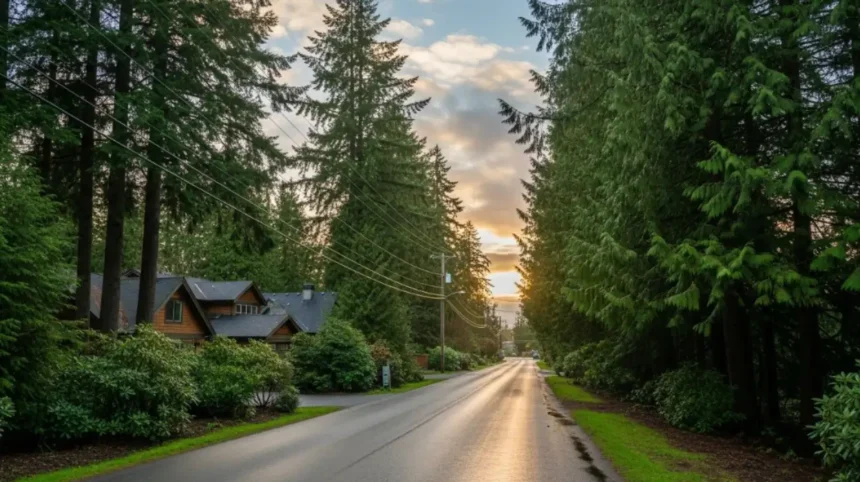
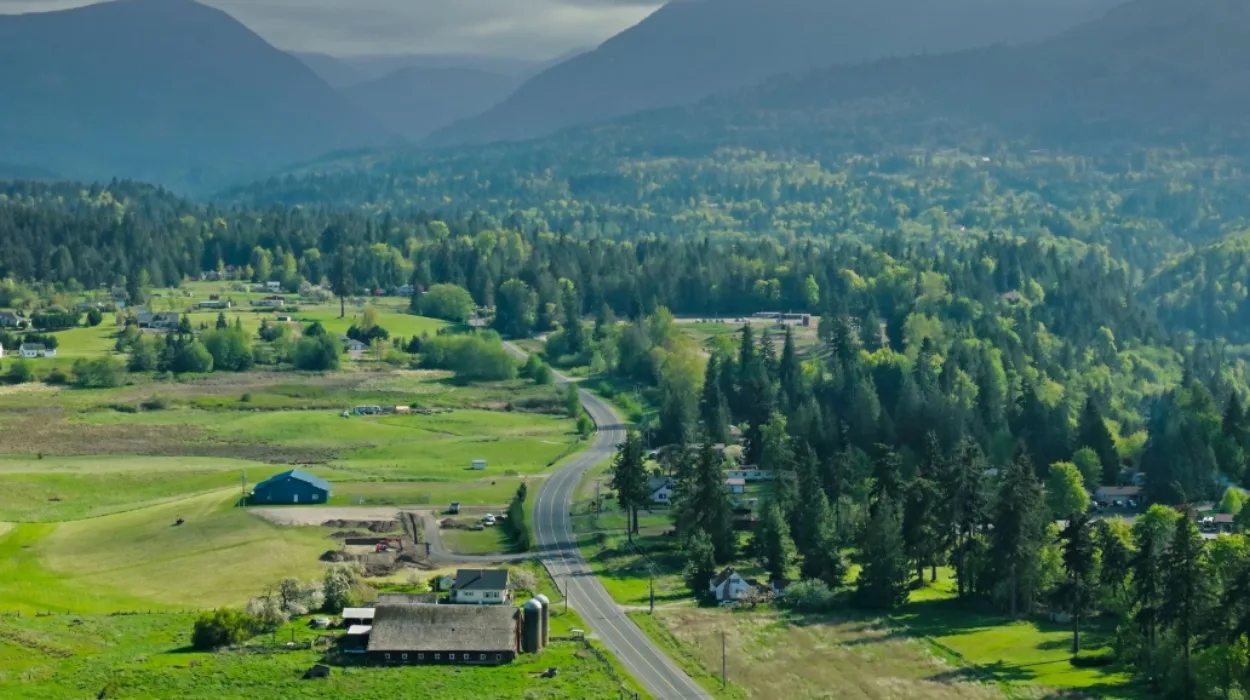
Travelers moving through Hobart Road Southeast, Southeast 216th Street, and surrounding rural connectors encounter alternating views of cedar forests, horse properties, open meadows, and small farming operations. The terrain gradually shifts from flatter valley sections into elevated forested roads that provide changing visual perspectives during the drive.
The area also benefits from relatively low commercial development compared to western King County. Instead of large retail centers or congested highways, visitors experience narrow countryside roads bordered by trees, fences, and rural homesteads. This landscape structure supports slow tourism, which has become increasingly popular among travelers seeking less crowded regional destinations.
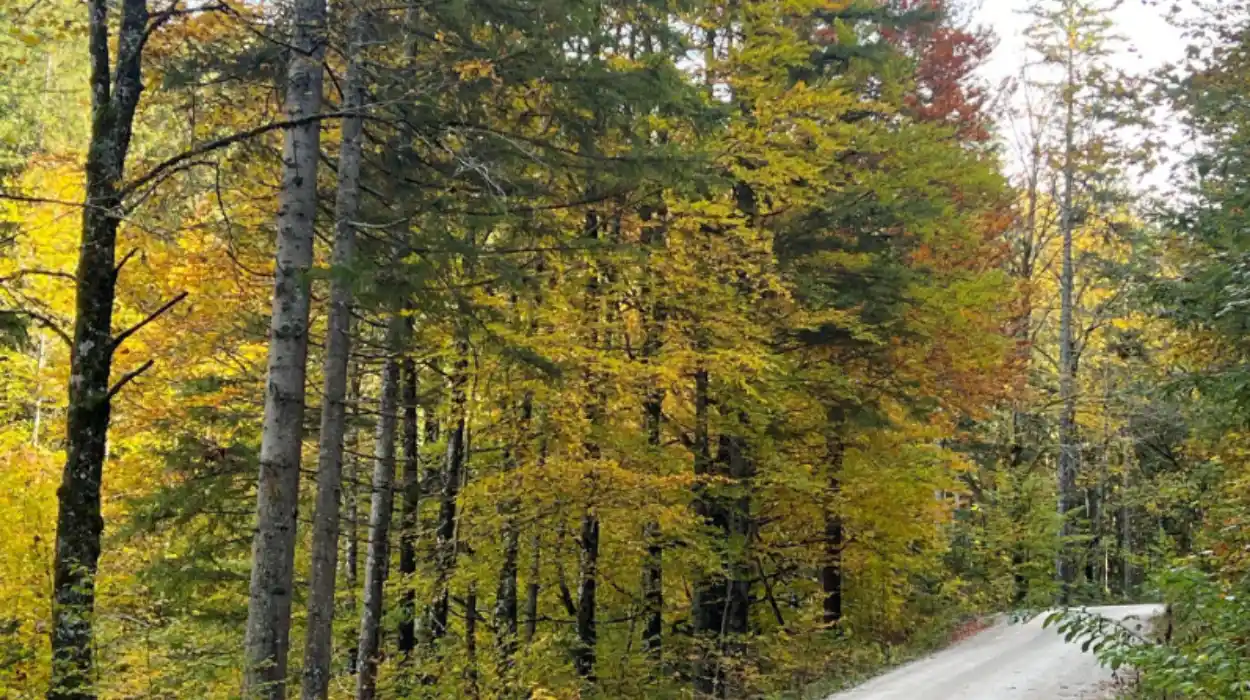
Seasonal weather patterns further enhance the rural geography. Spring introduces green pastureland and blooming roadside vegetation, while autumn transforms the forests with golden and orange tones. Winter often brings misty forest conditions that create dramatic photography settings across the countryside.
Which Scenic Roads and Driving Routes Define the Hobart Countryside Experience?
Several scenic connectors shape the Hobart countryside driving experience near Maple Valley. These roads are valued for their natural surroundings, changing elevations, and relaxed driving conditions rather than speed or destination-focused travel.

Hobart Road Southeast serves as the central route through the area. The road connects rural properties, wooded sections, and open farmland while maintaining a calm traffic flow that supports sightseeing and photography stops. Travelers often use this corridor as the backbone of a countryside loop extending toward Maple Valley and surrounding foothill communities.
Southeast 244th Street and nearby rural connectors provide additional access to forest-heavy sections where evergreen canopies create shaded driving environments. These roads are especially popular during autumn because of the combination of fog, forest color changes, and soft natural lighting conditions.
Travelers also connect the Hobart route with scenic drives near Tiger Mountain State Forest and rural access areas surrounding the Cedar River watershed region. These nearby connections allow visitors to extend the experience beyond a simple local drive and explore broader countryside landscapes within King County.
Because the roads remain lightly trafficked compared to Interstate corridors, visitors can comfortably stop for photography, enjoy slower-paced driving, and observe rural scenery without the pressure of heavy commuter traffic.
What Can Visitors See During a Hobart Rural Road Trip Near Maple Valley?
Visitors exploring the Hobart countryside encounter a mixture of natural and agricultural scenery that reflects the rural identity of southeastern King County. The visual variety is one of the strongest reasons the region attracts weekend road trip travelers.
Forested sections dominate much of the route, particularly areas lined with Douglas fir, western red cedar, and moss-covered vegetation typical of western Washington landscapes. Morning fog often settles along these roads, creating atmospheric conditions valued by landscape photographers and nature-focused travelers.
Open farmland sections provide a contrasting visual environment. Horse pastures, fenced grazing areas, barns, and small agricultural properties appear throughout the Hobart region, giving the drive a distinctly rural Pacific Northwest character. These open spaces also provide wider viewpoints compared to the denser forest corridors.
Small creeks, wetlands, and seasonal drainage channels appear along parts of the drive, especially during wetter months. Wildlife sightings are also common in quieter areas, including deer, birds, and smaller woodland animals that inhabit the forest-edge environment.
Photography enthusiasts often stop near open meadow areas during sunrise and sunset because the soft natural lighting enhances the layered scenery of hills, trees, and rural fields. Autumn is particularly popular for photography due to changing foliage and seasonal atmospheric conditions.
Travelers looking for additional regional exploration opportunities may also connect their drive toward the outskirts of Black Diamond or the scenic foothill landscapes surrounding eastern King County.
Why Is the Hobart and Maple Valley Area Suitable for Low-Traffic Weekend Tourism?
The Hobart countryside experience appeals to weekend travelers because it offers a quieter alternative to Washington’s more crowded outdoor tourism destinations. Many visitors specifically choose the region to avoid urban congestion while still remaining close to Seattle-area population centers.
Unlike heavily visited mountain recreation corridors, Hobart’s tourism appeal is based on calm driving experiences and passive sightseeing rather than large-scale attractions. This creates a slower tourism environment where visitors can enjoy scenic roads without competing for parking, trail access, or crowded viewpoints.
Accessibility also contributes to the region’s popularity. Travelers from Seattle, Bellevue, and nearby King County communities can reach the area within a relatively short drive, making it practical for day trips or spontaneous weekend exploration.
The low-density layout of the region supports flexible travel planning. Visitors can explore at their own pace, pause for photography opportunities, or take extended countryside loops without rigid itineraries. This flexibility aligns with growing interest in rural micro-tourism and scenic driving experiences.
Weather patterns further shape the weekend tourism appeal. Summer provides dry driving conditions and clearer visibility across open landscapes, while cooler seasons offer moody forest scenery and quieter roads. Each season changes the visual identity of the countryside, encouraging repeat visits throughout the year.
How Do Nearby Travel Connections Expand the Hobart Rural Road Trip Experience?
Nearby travel connections significantly enhance the Hobart road trip experience because the area sits within a broader network of scenic King County destinations. Visitors often combine Hobart exploration with other rural communities and nature-focused driving routes.
Maple Valley acts as the primary service and transition point for travelers entering the countryside area. The city provides fuel access, convenience stops, and route flexibility before visitors continue deeper into the rural landscape.
The nearby Cedar River Trail corridor adds recreational opportunities for travelers interested in light outdoor activity during their drive. The trail region supports walking, cycling, and riverside viewing opportunities that complement the slower pace of countryside tourism.
Further north, connections toward Issaquah and the foothill regions surrounding Tiger Mountain create opportunities for extended scenic exploration. Travelers interested in forest landscapes and elevated viewpoints often combine these areas into a single regional driving itinerary.
If you are visiting this area, you may also want to explore: best cafés near Hobart Maple Valley region.
This complementary travel resource helps visitors discover quiet café environments, relaxed dining stops, and local coffee options that fit naturally into a countryside driving experience. It supports food and rest-stop search intent for travelers planning longer weekend exploration routes through rural King County.
When Is the Best Time to Experience the Hobart Countryside Near Maple Valley?
The best time to experience the Hobart countryside depends on the type of scenery and travel conditions visitors prefer. Each season changes the visual atmosphere of the region and creates different road trip experiences.
Spring is ideal for travelers seeking green landscapes, fresh vegetation, and flowing roadside creeks. Farmland areas become especially vibrant during this period, and the surrounding forests appear dense and colorful after winter rainfall.
Summer provides the most stable driving conditions. Dry roads, longer daylight hours, and clearer skies make it easier to complete extended scenic loops through the countryside. Photography visibility is also strongest during summer mornings and evenings.
Autumn is widely considered the most visually dramatic season in the Hobart area. Forest color transitions, foggy mornings, and golden lighting conditions create strong photography opportunities across rural roads and meadow landscapes.
Winter attracts visitors interested in atmospheric scenery rather than traditional sightseeing. Mist, rainfall, and darker forest environments create a distinctly Pacific Northwest countryside experience that differs significantly from peak summer travel periods.
Because the roads remain accessible throughout most of the year, travelers can plan flexible weekend visits based on photography goals, weather preferences, or seasonal scenery interests.
Frequently Asked Questions About the Hobart Rural Road Trip Experience Near Maple Valley
Is Hobart near Maple Valley good for scenic driving?
Yes, Hobart near Maple Valley is well known for scenic countryside driving because the area combines forest roads, farmland landscapes, and low-traffic rural routes. Travelers often visit for quiet weekend drives and photography-focused exploration within King County.
How long does a Hobart countryside road trip usually take?
Most visitors spend between two and five hours exploring the Hobart countryside depending on stops, photography breaks, and nearby route extensions. Some travelers also combine the drive with Maple Valley and Issaquah regional exploration.
What type of scenery can visitors expect near Hobart?
Visitors can expect evergreen forests, open pastureland, rural farms, rolling hills, and seasonal foggy landscapes. The region offers a balanced mix of farmland and forest scenery typical of southeastern King County.
Is the Hobart road trip suitable during autumn?
Yes, autumn is one of the most popular seasons for visiting Hobart because changing foliage, misty mornings, and softer daylight create excellent scenic driving and photography conditions throughout the countryside.
Are the roads near Hobart heavily crowded on weekends?
Most roads near Hobart remain relatively calm compared to major Washington tourism corridors. While weekends may bring moderate local traffic, the region generally maintains a quiet rural driving atmosphere.
Can travelers combine Hobart with other nearby destinations?
Yes, many travelers connect Hobart with Maple Valley, Issaquah, Tiger Mountain areas, and other southeastern King County countryside routes for extended scenic driving experiences.