
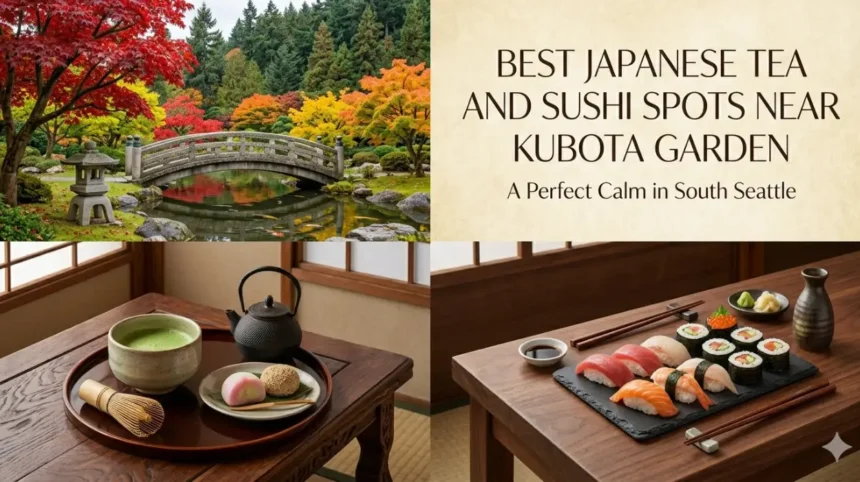
Visitors searching for authentic Japanese dining near Kubota Garden often look for calm tea houses, traditional sushi restaurants, and aesthetic dining experiences that complement the peaceful atmosphere of South Seattle. The Rainier Beach area and nearby neighborhoods in King County offer several Japanese cuisine options that pair naturally with a garden visit, especially for travelers exploring cultural experiences beyond Downtown Seattle.
Unlike crowded tourist districts near Space Needle or Pike Place Market, the dining scene around Kubota Garden focuses more on relaxed environments, neighborhood sushi bars, matcha cafés, and reservation-based omakase experiences. Many visitors plan a half-day itinerary that combines walking through the Japanese-inspired landscape garden with nearby tea or sushi dining afterward.
The area also attracts locals looking for quieter Japanese restaurants without the long waits common in central Seattle entertainment districts.
Where Can Visitors Find Calm Japanese Tea Experiences Near Kubota Garden?
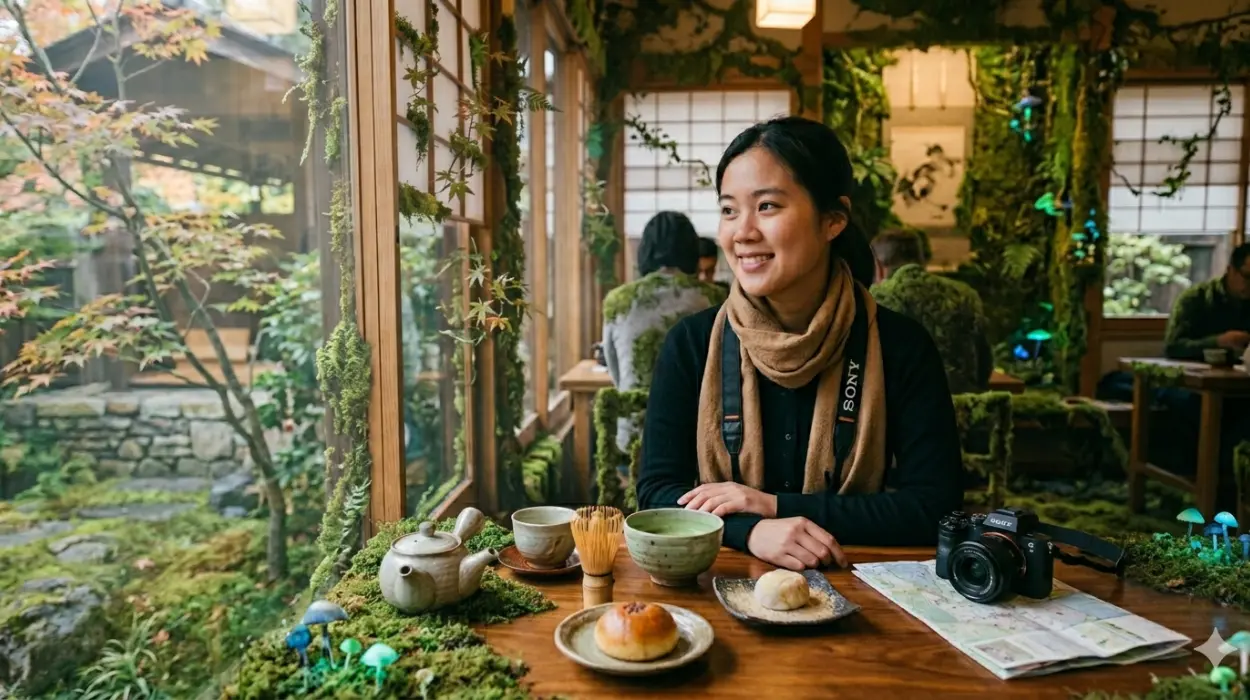
Japanese tea experiences near Kubota Garden are mostly found within South Seattle neighborhoods such as Rainier Beach, Columbia City, and Beacon Hill. These districts feature smaller tea cafés and Japanese-inspired spaces that prioritize atmosphere, minimalist interiors, and slow dining experiences.
Tea-focused cafés near the garden commonly serve:

- Matcha lattes
- Ceremonial green tea
- Hojicha beverages
- Japanese pastries
- Mochi desserts
- Light bento-style snacks
Many visitors specifically search for tea houses after exploring Kubota Garden because the environment transition feels seamless. The quiet ponds, stone bridges, maple trees, and walking paths inside the garden naturally align with calm café settings nearby.
In neighborhoods around Rainier Avenue South, visitors can also find Japanese-inspired bakeries offering seasonal pastries during spring cherry blossom periods and autumn foliage months. These seasonal connections strengthen the cultural dining appeal of South Seattle.
Tea cafés near the garden are especially popular during:

Spring Visits to Kubota Garden
Spring attracts visitors searching for blooming azaleas, flowering cherry trees, and mild temperatures in Seattle. Tea cafés become popular afternoon stops after morning garden walks because visitors often want a slower experience away from downtown traffic.
Autumn Garden and Tea Pairing Experiences
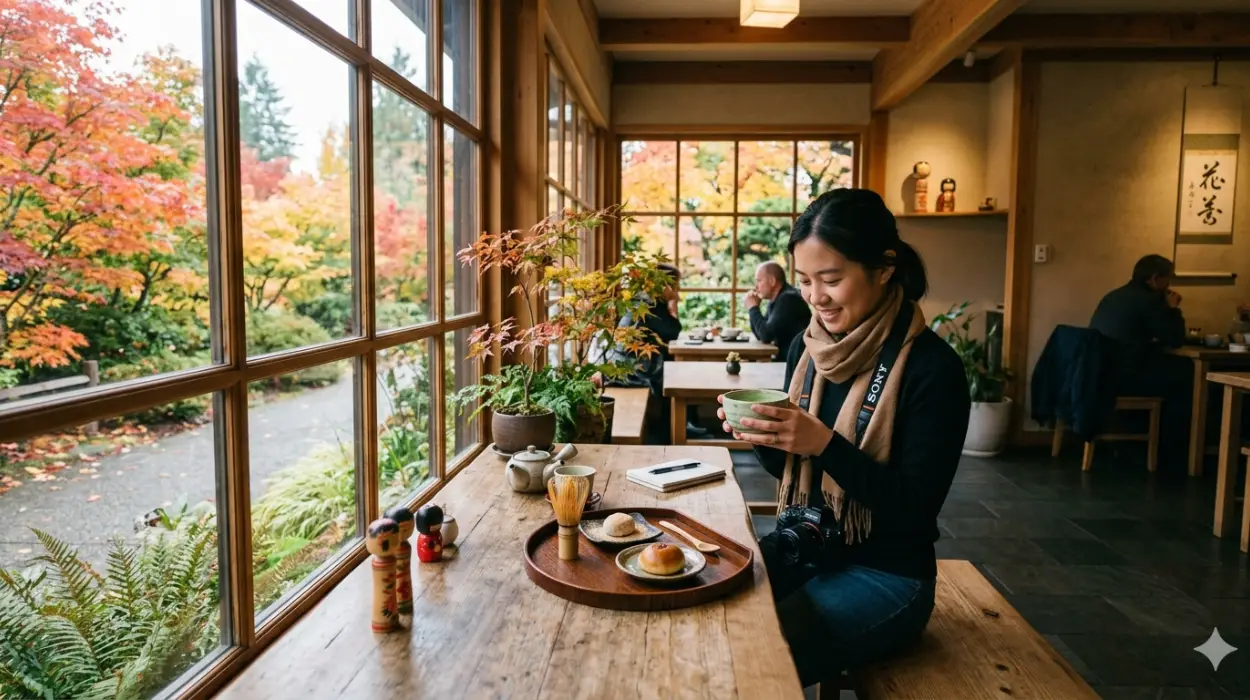
Autumn is considered one of the strongest seasonal experiences near Kubota Garden due to red and orange Japanese maple foliage. Matcha cafés and quiet Japanese dessert spots see increased visitors during this period because travelers seek cozy indoor environments after outdoor sightseeing.
Many local visitors intentionally combine fall photography sessions at Kubota Garden with tea-focused dining afterward.
Which Sushi Restaurants Near Kubota Garden Offer the Best Cultural Dining Atmosphere?
Travelers searching for sushi near Kubota Garden usually prioritize atmosphere and authenticity rather than large nightlife crowds. South Seattle and nearby neighborhoods contain sushi restaurants ranging from casual neighborhood sushi bars to reservation-based omakase experiences.
The most popular dining characteristics visitors look for include:
- Quiet interiors
- Minimalist Japanese aesthetics
- Counter seating experiences
- Fresh Pacific Northwest seafood
- Traditional presentation
- Small dining rooms
- Reservation-friendly service
Seattle’s access to Pacific seafood significantly improves sushi quality across the city, including areas outside Downtown Seattle. Restaurants near Rainier Beach often incorporate regional seafood ingredients while maintaining traditional Japanese preparation styles.
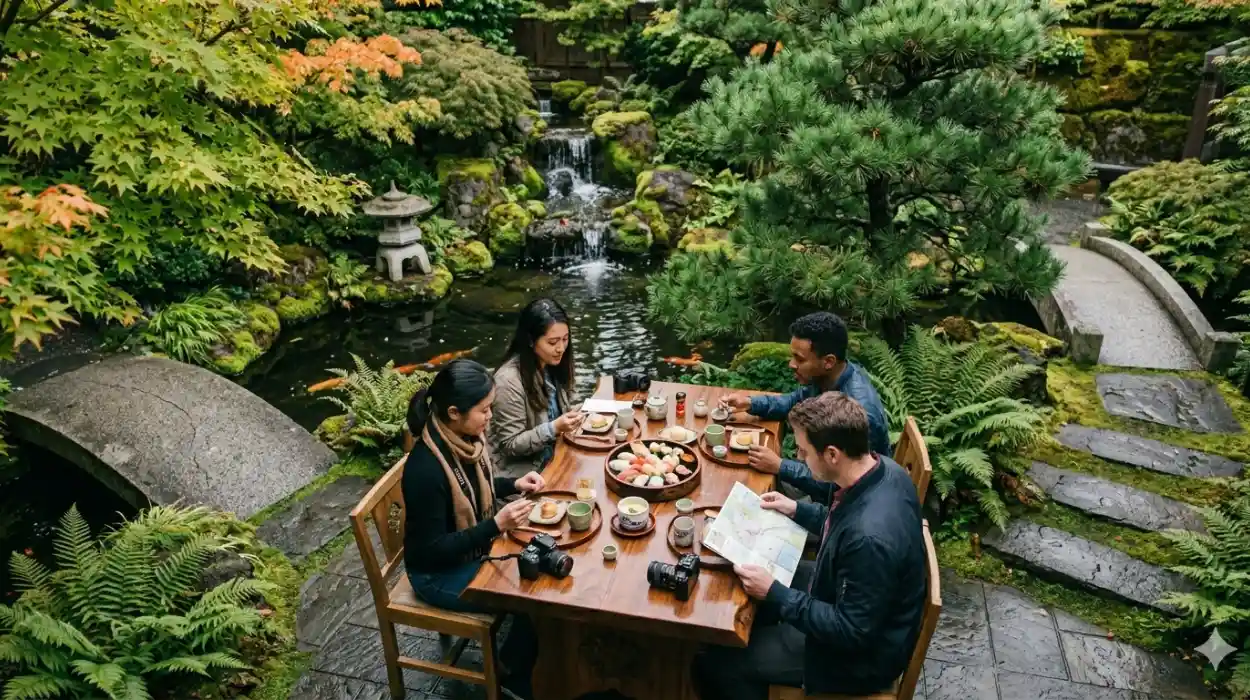
Many diners choose these restaurants because they complement the peaceful experience created by Kubota Garden itself. Instead of shifting into loud entertainment districts, visitors continue the calm atmosphere through intentional dining choices.
Why Do Omakase Experiences Appeal to Kubota Garden Visitors?
Omakase dining attracts travelers seeking immersive Japanese culinary experiences after cultural sightseeing. The structure of omakase service — where chefs curate the meal course-by-course — aligns closely with the thoughtful pacing visitors experience inside Japanese gardens.
Reservation-based sushi counters near South Seattle are especially popular during weekends and spring tourism months. Some smaller restaurants have limited seating, making advance reservations important for evening dining.
What Makes South Seattle Sushi Different From Downtown Seattle Dining?
South Seattle sushi restaurants often provide a more neighborhood-oriented experience compared with busy waterfront districts near Elliott Bay. Visitors frequently prefer these quieter dining environments because they reduce wait times and create a more relaxed continuation of the garden experience.
Additionally, parking tends to be easier near Rainier Valley and Beacon Hill restaurants than in Downtown Seattle tourist corridors.
How Does Kubota Garden Create a Strong Cultural Dining Pairing in Seattle?
Kubota Garden is not simply a botanical space; it is deeply connected to Japanese landscape traditions introduced by Fujitaro Kubota in the early twentieth century. Because of this cultural identity, visitors often search for nearby dining that extends the same aesthetic and emotional atmosphere.
The garden’s design elements include:
- Waterfalls
- Reflection ponds
- Curved bridges
- Stone lanterns
- Evergreen pathways
- Japanese maples
- Layered hill landscapes
After experiencing these features, many travelers prefer sushi restaurants and tea cafés that continue the themes of simplicity, quietness, and presentation-focused culture.
This type of travel behavior is increasingly common among visitors interested in cultural immersion rather than checklist tourism. Instead of quickly moving between unrelated attractions, visitors now prefer connected experiences where food, architecture, landscape design, and local identity reinforce one another.
Seattle’s Japanese culinary scene naturally supports this behavior because of the city’s longstanding Pacific Rim cultural influences.
When Is the Best Time to Visit Sushi and Tea Spots Near Kubota Garden?
Timing significantly affects the overall visitor experience around Kubota Garden and nearby Japanese dining locations.
Best Hours for Garden and Dining Combination Visits
Most visitors prefer arriving at Kubota Garden during late morning or early afternoon. This schedule allows enough daylight for walking trails and photography before transitioning into tea cafés or sushi restaurants later in the day.
A common itinerary includes:
- Morning garden exploration
- Afternoon tea or café visit
- Evening sushi reservation
This sequence works particularly well because Kubota Garden itself is designed for slower-paced walking rather than fast sightseeing.
Why Are Weekday Visits Often Better?
Weekdays typically provide:
- Quieter walking paths
- Easier parking access
- Shorter restaurant waits
- Better tea house seating availability
- More relaxed dining environments
Weekend evenings can become crowded at popular sushi restaurants across Seattle, especially during spring and summer tourism seasons.
Seasonal Dining Considerations Near Kubota Garden
Spring and autumn are generally considered the strongest seasons for pairing garden visits with Japanese dining because weather conditions remain comfortable for both outdoor exploration and indoor dining experiences.
Winter visits are quieter but can still appeal to visitors looking for peaceful tea cafés during rainy Seattle afternoons.
What Nearby Seattle Neighborhoods Offer Additional Japanese Dining Experiences?
Several nearby Seattle neighborhoods expand the Japanese dining experience beyond the immediate Kubota Garden area.
Columbia City
Seattle visitors frequently explore Columbia City because it combines independent restaurants, cafés, and multicultural dining within a walkable environment. The district offers easier access to local eateries without the intensity of Downtown Seattle tourism.
Beacon Hill
Beacon Hill contains several small Japanese and Asian fusion restaurants known for quieter dining rooms and neighborhood-focused atmospheres. Visitors often prefer this area for relaxed evening meals after spending time outdoors.
International District
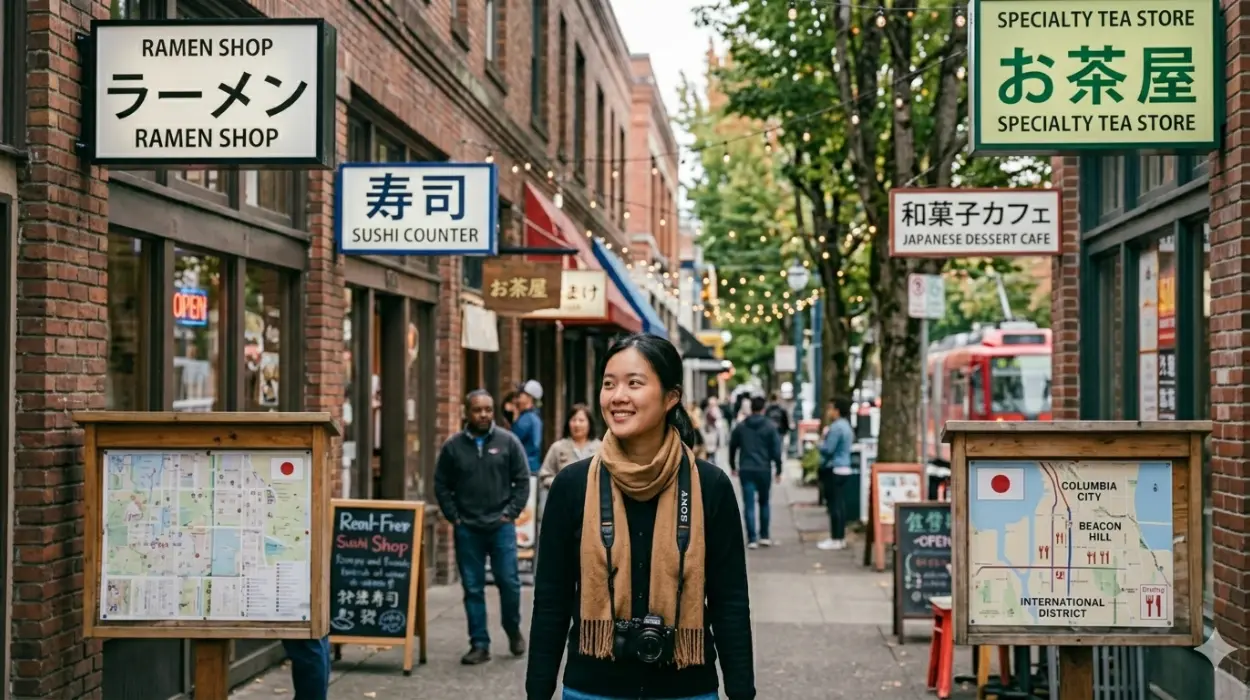
The Seattle Chinatown-International District remains one of Seattle’s most important cultural dining areas. While slightly farther from Kubota Garden, it offers expanded Japanese dining choices including ramen shops, sushi counters, Japanese dessert cafés, and specialty tea stores.
However, many travelers visiting Kubota Garden intentionally stay within South Seattle neighborhoods to maintain a calmer travel experience.
Why Do Travelers Pair Japanese Dining With Kubota Garden Visits?
Travelers increasingly seek connected cultural experiences rather than isolated attractions. Kubota Garden naturally encourages this behavior because its Japanese-inspired landscape design creates emotional continuity with tea culture and sushi dining.
Visitors commonly search for:
- Quiet cafés after sightseeing
- Authentic Japanese meals near gardens
- Calm Seattle dining environments
- Date-night experiences in South Seattle
- Aesthetic restaurants near nature attractions
This pairing also appeals strongly to photographers, couples, solo travelers, and local residents planning weekend outings.
If you are visiting this area, you may also want to explore: hidden reasons tourists love visiting Kubota Garden in Seattle. That related travel guide helps visitors understand why the garden itself has become one of Seattle’s most peaceful hidden attractions and complements dining-focused travel planning before or after a Japanese tea or sushi experience.
What Reservation and Timing Tips Should Visitors Know Before Dining Near Kubota Garden?
Many Japanese restaurants near South Seattle operate with smaller dining rooms than major downtown establishments. Because of this, reservations become increasingly important during weekends and seasonal tourism periods.
Reservation Tips for Sushi Dining
Visitors should consider:
- Booking evening omakase experiences several days ahead
- Checking weekday availability for quieter seating
- Arriving early for smaller sushi counters
- Confirming seasonal operating hours
Tea Café Timing Considerations
Tea cafés near Rainier Valley and surrounding districts may close earlier than restaurants. Afternoon visits generally provide the best atmosphere for matcha and dessert experiences after walking through Kubota Garden.
Some cafés also become busiest during rainy afternoons when visitors seek indoor seating after outdoor activities.
Frequently Asked Questions About Japanese Tea and Sushi Near Kubota Garden
What is the best sushi experience near Kubota Garden in Seattle?
Many visitors prefer smaller South Seattle sushi restaurants because they provide quieter atmospheres, reservation-friendly dining, and authentic presentation styles that complement the peaceful environment of Kubota Garden.
Are there Japanese tea houses close to Kubota Garden?
Yes. Rainier Beach, Beacon Hill, and nearby Seattle neighborhoods contain tea cafés and Japanese-inspired coffee shops serving matcha, hojicha, mochi desserts, and traditional tea beverages.
When should visitors book sushi reservations near Kubota Garden?
Weekend evenings and spring tourism months are busiest. Visitors should ideally reserve sushi restaurants several days ahead, especially for omakase dining experiences with limited seating.
Is Kubota Garden close to Seattle’s International District?
Kubota Garden is south of Downtown Seattle and accessible from the Seattle Chinatown-International District by car or public transportation. Many travelers combine both locations into one cultural dining itinerary.
Why do visitors pair Japanese dining with Kubota Garden?
The garden’s Japanese-inspired landscape design naturally complements tea culture and sushi dining. Visitors often seek connected cultural experiences instead of separate sightseeing activities.
What season is best for visiting Kubota Garden and nearby tea cafés?
Spring and autumn are considered the best seasons because of cherry blossoms, Japanese maple foliage, and comfortable walking weather throughout Seattle.