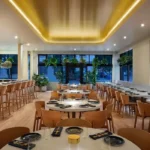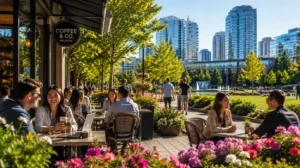

Kubota Garden in South Seattle is surrounded by several Japanese tea houses, sushi restaurants, and calm dining spaces that complement the garden’s peaceful atmosphere. Visitors exploring King County often combine a visit to Kubota Garden with authentic Japanese dining experiences in neighborhoods like Rainier Valley, Georgetown, and Downtown Seattle. From traditional matcha tea service to omakase sushi counters, the area offers culturally connected dining options that match the quiet and aesthetic experience of the garden itself.
Why Do Visitors Look for Japanese Tea and Sushi Spots Near Kubota Garden?
Many visitors search for Japanese dining near Kubota Garden because the attraction itself reflects Japanese landscaping traditions, Zen-inspired design, and cultural aesthetics. After walking through waterfalls, maple groves, koi ponds, and stone bridges inside the garden, travelers often prefer restaurants that continue the same atmosphere rather than crowded fast-food locations.
Kubota Garden sits within Seattle’s Rainier Beach area in King County, making it accessible to multiple Japanese dining districts across South Seattle. Visitors frequently pair their garden trip with sushi bars, tea lounges, or Japanese cafés because the transition between the garden and dining experience feels natural and culturally connected.
The combination of quiet scenery and carefully prepared Japanese cuisine appeals to couples, solo travelers, photographers, and weekend visitors looking for calm experiences instead of high-energy tourist districts. Many restaurants near the garden also emphasize minimalist interiors, seasonal ingredients, and reservation-based dining, which align closely with the peaceful environment visitors experience inside Kubota Garden.
Where Can You Find Authentic Sushi Restaurants Near Kubota Garden in Seattle?
Several sushi restaurants within driving distance of Kubota Garden provide different dining styles ranging from traditional omakase to casual sushi dining. Most visitors choose locations based on atmosphere, reservation availability, and travel convenience after their garden visit.

Sushi Kashiba Offers a High-End Omakase Experience in Seattle
Located near Pike Place Market, Sushi Kashiba is one of Seattle’s most recognized Japanese sushi destinations. Visitors who want a premium dining experience after exploring Kubota Garden often reserve evening omakase seating here because of the restaurant’s focus on Edomae-style sushi preparation.
The restaurant emphasizes seasonal seafood, chef interaction, and carefully timed sushi service. Travelers interested in authentic Japanese culinary traditions frequently combine Kubota Garden photography during the afternoon with an upscale sushi reservation in Downtown Seattle during the evening.
Because reservations fill quickly, especially on weekends and during spring cherry blossom season, planning several days ahead is recommended.

Sushi Kappo Tamura Combines Sustainable Seafood With Traditional Japanese Dining
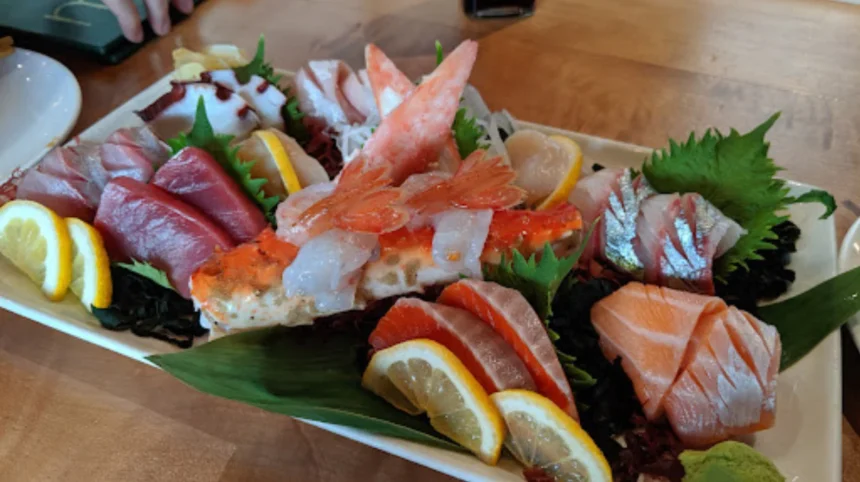
In Seattle’s Eastlake neighborhood, Sushi Kappo Tamura is known for sustainable Pacific Northwest seafood prepared through Japanese techniques. The restaurant appeals to visitors who want refined sushi without the extremely formal atmosphere associated with luxury omakase counters.
The interior design features wood textures, soft lighting, and minimalist seating arrangements that maintain the calm aesthetic many travelers seek after visiting Kubota Garden. Guests often choose tasting menus, sashimi platters, and Japanese whiskey pairings for a slower dining experience.
Momiji Creates a Relaxed Japanese Garden Dining Atmosphere
Located in Capitol Hill, Momiji is popular among travelers looking for visually calm dining spaces with outdoor Japanese-inspired landscaping. The restaurant’s private courtyard and quiet ambiance make it especially attractive for couples visiting Kubota Garden earlier in the day.
Momiji balances accessibility with authenticity by offering sushi rolls, nigiri, sake selections, and small Japanese plates in an environment that feels more intimate than many Downtown Seattle restaurants.
Which Japanese Tea Houses Near Kubota Garden Create a Traditional Experience?
Japanese tea culture remains an important part of the Seattle dining experience, especially near cultural attractions connected to Japanese heritage. Several tea houses and cafés near Kubota Garden focus on matcha preparation, tea ceremonies, and quiet seating environments rather than fast-service coffee culture.
Panama Hotel Tea and Coffee House Reflects Historic Japanese American Heritage
The Panama Hotel Tea and Coffee House in Seattle’s International District offers one of the most culturally significant tea experiences near Kubota Garden. Located inside the historic Panama Hotel building, the tea house preserves connections to Seattle’s Japanese American community and provides traditional tea service in a calm environment.
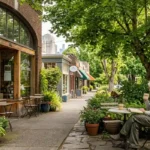
Visitors often stop here after exploring Kubota Garden because the tea house continues the historical and cultural themes experienced inside the garden itself. Matcha tea, Japanese desserts, and quiet seating areas create a reflective atmosphere suited for slow travel experiences.
The nearby International District also allows visitors to explore Japanese bookstores, bakeries, and specialty shops before or after tea service.
Miro Tea Provides a Modern Matcha Experience in Seattle
Miro Tea offers a more contemporary tea experience while still emphasizing Japanese tea culture. Travelers searching for ceremonial-grade matcha, loose-leaf green teas, and quiet indoor seating frequently choose this location because of its relaxed environment.
The tea house appeals to remote workers, students, and visitors wanting a peaceful stop between attractions in Seattle. Pairing Kubota Garden with a tea-focused afternoon creates a slower itinerary compared to busier tourist routes centered around Seattle Center or the waterfront.
Traditional Matcha Cafés Near Seattle’s International District Support Cultural Exploration
Seattle’s International District contains multiple small Japanese cafés specializing in matcha desserts, tea-based drinks, and Japanese pastries. These cafés often attract visitors who prefer informal tea experiences instead of structured tea ceremonies.
Because the International District is relatively close to Kubota Garden by car, many visitors combine both destinations into a single cultural day trip through South Seattle. Matcha parfaits, mochi desserts, and green tea beverages are especially popular during spring and summer travel seasons.
How Does Japanese Dining Complement a Visit to Kubota Garden?
Japanese dining experiences near Kubota Garden complement the attraction because both emphasize calm environments, attention to detail, and seasonal aesthetics. The garden itself features traditional Japanese landscaping principles developed by Fujitaro Kubota, and nearby restaurants continue similar themes through presentation, atmosphere, and hospitality.
Visitors often choose slower dining experiences after walking through the garden’s winding trails, ponds, and forested sections. Sushi restaurants and tea houses near Seattle frequently use minimalist design, soft lighting, and natural materials that mirror the peaceful feeling created inside Kubota Garden.
The pairing also supports a culturally focused itinerary for travelers interested in Japanese heritage across Seattle. Combining the garden with sushi dining or tea experiences creates a more complete understanding of Japanese cultural influence within King County.
For travelers interested in extending the experience further, the nearby Seattle Japanese Garden at Washington Park Arboretum provides another cultural landscape destination connected to Japanese aesthetics and traditional design.
What Is the Best Time to Visit Japanese Tea Houses and Sushi Restaurants Near Kubota Garden?
The best time to combine Kubota Garden with Japanese dining depends on seasonal conditions, reservation availability, and visitor traffic patterns in Seattle.
Spring is one of the busiest seasons because blooming cherry blossoms, azaleas, and maple trees attract photographers and weekend travelers to Kubota Garden. During this period, sushi reservations in neighborhoods like Capitol Hill and Downtown Seattle should be booked in advance, especially for evening dining.
Summer offers longer daylight hours, making it easier to visit the garden in the afternoon before heading to tea houses or sushi restaurants later in the evening. Outdoor seating areas and courtyard dining become more attractive during warmer weather.
Autumn is particularly popular among local visitors because Kubota Garden’s red and orange foliage creates a visually dramatic atmosphere. Tea houses often become more crowded during rainy fall afternoons when travelers seek indoor cultural experiences.
Winter tends to provide the quietest experience for both the garden and nearby Japanese dining locations. Visitors looking for calm travel conditions and shorter wait times often prefer weekday visits between November and February.
Timing also matters when planning the overall itinerary. Many tea houses close earlier than sushi restaurants, so visitors commonly schedule tea experiences during the afternoon and sushi dinners later in the evening.
What Should Visitors Know About Reservations, Parking, and Travel Logistics?
Visitors planning Japanese dining near Kubota Garden should consider Seattle traffic patterns, restaurant reservation systems, and neighborhood parking conditions before finalizing their itinerary.
Kubota Garden itself offers free admission and parking, making it relatively accessible compared to many attractions in Seattle. However, nearby sushi restaurants in Downtown Seattle, Capitol Hill, and the International District often have limited parking availability.
Ride-share transportation becomes useful for travelers planning evening sushi reservations, particularly in dense neighborhoods where parking garages may increase travel costs. Weekend traffic near Interstate 5 and Downtown Seattle can also extend travel times between Kubota Garden and dining locations.
Reservations are highly recommended for omakase restaurants, especially during weekends, holidays, and peak tourism months. Some sushi counters offer limited seating with only a few reservation slots each evening.
Tea houses usually provide more flexibility, although historic locations and matcha cafés in Seattle’s International District may become crowded during afternoon hours.
Visitors interested in photography-focused itineraries often choose early morning garden visits followed by late lunch sushi reservations to avoid overlapping crowds.
Why Is Kubota Garden Part of Seattle’s Broader Japanese Cultural Experience?
Kubota Garden represents one of Seattle’s strongest examples of Japanese cultural influence within public landscapes. The garden combines Pacific Northwest vegetation with traditional Japanese design principles, creating a destination that feels culturally connected to other Japanese experiences throughout the city.
Nearby sushi restaurants, tea houses, and Japanese cafés extend that cultural connection beyond the garden itself. Travelers interested in heritage tourism often combine Kubota Garden with Seattle’s International District, Uwajimaya Village, and the Seattle Japanese Garden to create a full-day cultural itinerary.
This combination appeals to travelers looking for slower, experience-focused tourism rather than fast-moving sightseeing schedules. Instead of focusing entirely on iconic landmarks like the Space Needle or Pike Place Market, visitors seeking cultural depth often prefer quieter neighborhoods and locally rooted experiences.
If you are visiting this area, you may also want to explore hidden reasons tourists love visiting Kubota Garden in Seattle.
That related travel guide helps visitors understand the historical significance, landscape design, seasonal beauty, and quiet nature-focused experiences connected to Kubota Garden. Reading it before planning a dining itinerary provides additional insight into why the attraction remains one of Seattle’s most peaceful cultural destinations.
Frequently Asked Questions About Japanese Tea and Sushi Spots Near Kubota Garden
Are there authentic Japanese restaurants close to Kubota Garden?
Yes, several authentic Japanese restaurants are located within driving distance of Kubota Garden in Seattle. Visitors can find omakase sushi counters, casual sushi bars, matcha cafés, and traditional tea houses in areas including Capitol Hill, Downtown Seattle, and the International District.
What is the best sushi restaurant to visit after Kubota Garden?
Many visitors choose Sushi Kashiba for premium omakase dining or Momiji for a more relaxed atmosphere after visiting Kubota Garden. The best option depends on whether travelers prefer upscale reservations, casual dining, or garden-inspired ambiance.
Can visitors combine Kubota Garden with Seattle’s International District?
Yes, many travelers combine Kubota Garden with Seattle’s International District because both destinations reflect Japanese and Asian cultural heritage. The district includes tea houses, Japanese cafés, bookstores, bakeries, and specialty markets that complement the garden experience.
Do Japanese tea houses near Kubota Garden require reservations?
Most casual tea houses near Kubota Garden do not require reservations, but historic locations and specialty tea experiences may become crowded during weekends and peak travel seasons. Afternoon visits generally provide the best availability.
What season is best for Japanese cultural experiences near Kubota Garden?
Spring and autumn are considered the best seasons because Kubota Garden’s seasonal colors pair well with tea house visits and sushi dining experiences. Cherry blossoms in spring and fall foliage in autumn create especially scenic travel conditions.
Is Kubota Garden close to other Japanese attractions in Seattle?
Kubota Garden is connected to several Japanese cultural destinations in Seattle, including the Seattle Japanese Garden, Uwajimaya Village, and the International District. Many visitors create full-day cultural itineraries combining these locations.