
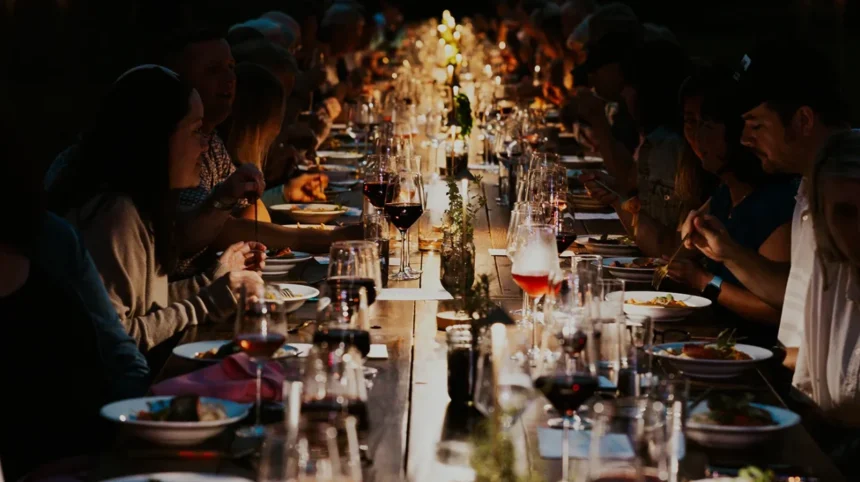
Carnation, Washington, located in the scenic Carnation area of King County, is one of the best destinations for travelers seeking authentic farm-to-table dining experiences. Known for its fertile farmland in the Snoqualmie Valley, the community connects local agriculture with restaurants that prioritize seasonal ingredients, locally sourced produce, and a countryside dining atmosphere. Visitors looking for rural culinary tourism can enjoy fresh food, scenic surroundings, and a slower pace that reflects the agricultural heritage of the region.
Why Are Farm-to-Table Restaurants in Carnation, Washington Worth Visiting for Rural Culinary Tourism?
Farm-to-table restaurants in Carnation stand out because they are closely connected to the agricultural ecosystem of the Snoqualmie Valley. Rather than relying on ingredients transported across long distances, many local establishments work directly with nearby farms, ranches, and producers.
This approach benefits visitors seeking freshness, sustainability, and a stronger connection to local food culture. Seasonal vegetables, pasture-raised meats, artisan cheeses, and locally harvested fruits frequently appear on menus throughout the year. The result is a dining experience that reflects the landscape itself.
For travelers exploring rural destinations in King County, farm-to-table dining offers more than a meal. It creates a direct link between agriculture, local businesses, and visitor experiences. The countryside setting further enhances this appeal, providing views of open fields, forests, and mountain backdrops that are increasingly difficult to find in urban dining environments.
How Does the Farm-to-Table Dining Concept Shape the Culinary Identity of Carnation?
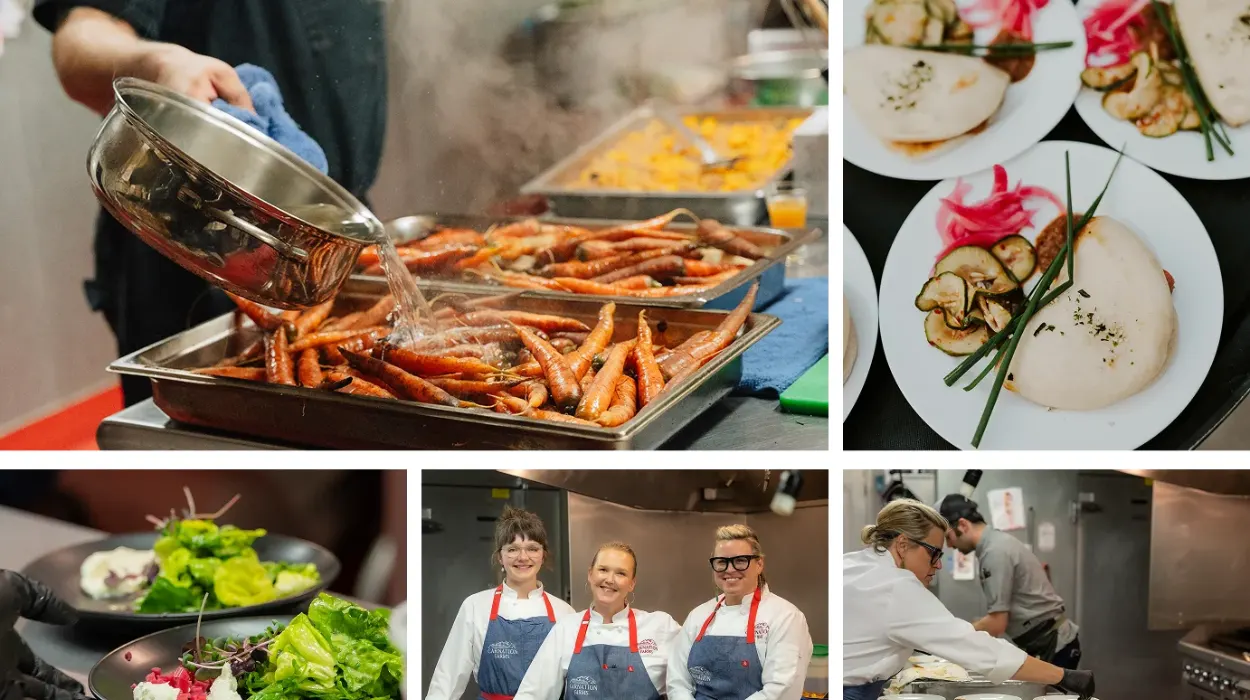
The farm-to-table concept centers on sourcing ingredients directly from local farms and producers whenever possible. In Carnation, this philosophy is particularly relevant because the town sits within one of Western Washington’s most productive agricultural regions.

The surrounding valley supports farms growing vegetables, berries, flowers, and specialty crops. Local producers also contribute dairy products, eggs, and meats that become key ingredients in regional menus.
Restaurants embracing this model often adapt their offerings according to seasonal harvests. Spring menus may highlight asparagus and leafy greens, while summer emphasizes berries and tomatoes. Autumn typically introduces squash, root vegetables, and orchard fruits. Winter menus focus on preserved ingredients, hearty dishes, and locally sourced proteins.
This seasonal flexibility creates a unique culinary identity that reflects the rhythms of the region rather than standardized menu planning. Visitors gain insight into the agricultural character of the Snoqualmie Valley while enjoying meals prepared with ingredients at peak freshness.

What Dining Experiences Can Visitors Expect at Farm-to-Table Restaurants in Carnation?
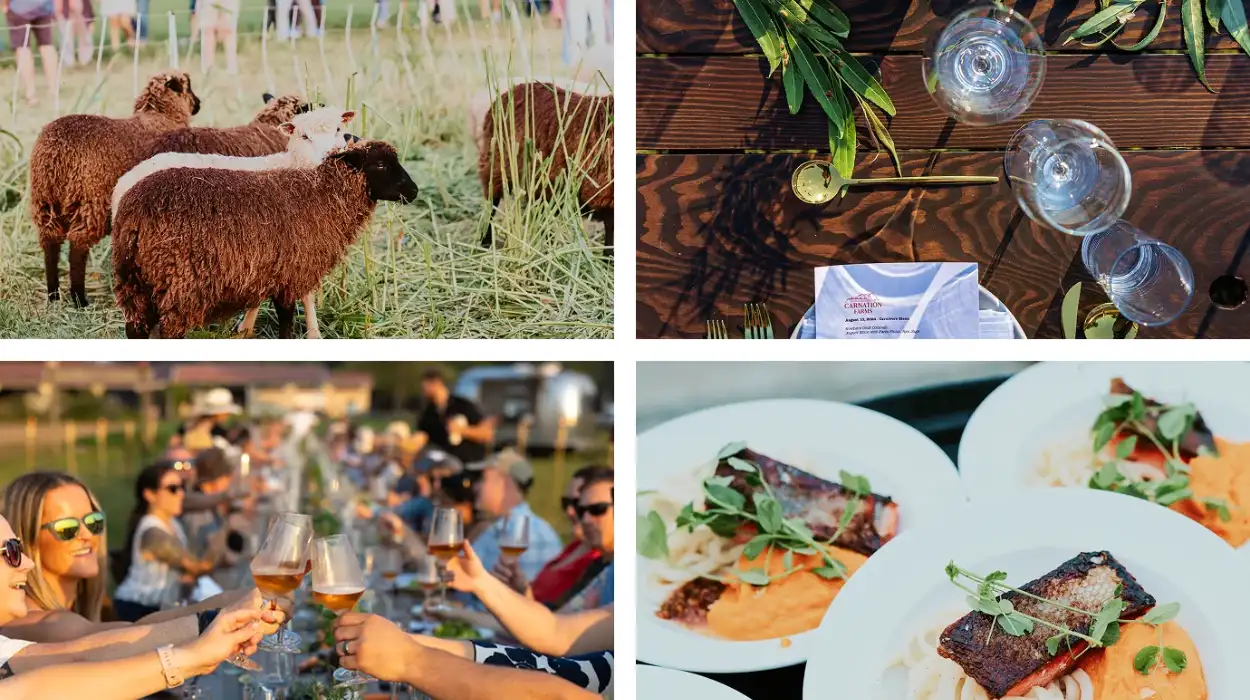
Visitors can expect a relaxed and authentic dining atmosphere that differs significantly from urban restaurant districts. Many establishments emphasize simplicity, quality ingredients, and a welcoming environment rather than elaborate presentations.
Countryside dining often includes views of farmland, rustic architecture, outdoor seating areas, and settings that showcase the natural beauty of the valley. Restaurants frequently incorporate wood, stone, and locally inspired design elements that reinforce connections to the surrounding landscape.
Menus typically focus on:
- Seasonal vegetables harvested from nearby farms
- Locally raised beef, poultry, and pork
- Fresh artisan bread and baked goods
- Regional cheeses and dairy products
- Locally produced honey and preserves
- Washington-grown fruits and berries
The experience appeals to travelers seeking authenticity rather than trend-driven dining. Guests often appreciate knowing where ingredients originate and how local producers contribute to each meal.
For weekend visitors from nearby urban centers such as Seattle, Bellevue, and Redmond, farm-to-table restaurants provide a refreshing contrast to city dining environments.
Which Seasonal Local Ingredients Define the Farm-to-Table Experience in Carnation?
Seasonality is one of the defining characteristics of rural dining in Carnation. Because the town is surrounded by productive agricultural land, restaurants have access to ingredients that vary throughout the year.
Spring Seasonal Highlights in the Snoqualmie Valley
Spring introduces fresh greens, herbs, asparagus, and early vegetables. Menus often become lighter and focus on freshness after the winter season. Farm-fresh eggs and locally produced dairy products also become prominent ingredients.
Summer Farm Harvests That Influence Restaurant Menus
Summer is arguably the most abundant season for local ingredients. The region becomes known for berries, tomatoes, cucumbers, sweet corn, and other produce harvested at peak ripeness.
Fresh berry desserts are particularly popular because Washington agriculture is closely associated with high-quality fruit production. Seasonal beverages may also incorporate local fruits and herbs.
Autumn Ingredients Featured in Countryside Restaurants
Autumn brings pumpkins, squash varieties, root vegetables, apples, and pears. These ingredients contribute to comforting dishes that align with cooler temperatures and harvest celebrations throughout the valley.
Restaurants often create menus that showcase the richness of fall agriculture while maintaining connections to local sourcing.
Winter Comfort Foods Using Local Agricultural Products
Even during winter, farm-to-table establishments continue emphasizing regional ingredients. Preserved produce, locally raised meats, cheeses, and baked goods become central components of seasonal offerings.
This year-round commitment to local sourcing helps maintain the integrity of the farm-to-table concept regardless of the season.
How Does the Countryside Atmosphere Enhance the Dining Experience in Carnation?
One of the most important aspects of rural culinary tourism is the setting itself. Carnation offers a countryside environment that complements the farm-to-table philosophy.
Unlike dense urban dining districts, visitors encounter open spaces, scenic roads, and agricultural landscapes that create a sense of escape. The surrounding environment contributes significantly to visitor satisfaction because the dining experience begins before guests arrive at the restaurant.
The proximity to the Snoqualmie River corridor and the agricultural lands of the valley creates a distinctive regional identity. Seasonal scenery changes throughout the year, providing unique experiences for repeat visitors.
Many travelers choose Carnation specifically because it combines local food culture with rural scenery. The result is a destination that supports both culinary exploration and relaxation.
This combination makes the area especially attractive for couples, families, and weekend travelers seeking experiences that feel authentic and connected to place.
Where Can Farm-to-Table Dining Fit Into a Weekend Getaway in Carnation?
Farm-to-table restaurants are often a central component of a weekend visit to Carnation. Many travelers plan their itinerary around local dining experiences because food serves as a gateway to understanding regional culture.
A typical weekend may include exploring the countryside, visiting local markets, discovering agricultural businesses, and enjoying meals prepared with locally sourced ingredients. Dining becomes part of a broader experience centered on sustainability, local identity, and community connections.
Related Travel Resource for Weekend Visitors
If you are visiting this area, you may also want to explore Discover the Quiet Charm of Carnation for Weekend Travelers.
This complementary travel guide helps visitors understand the broader appeal of Carnation beyond dining. It supports travel-focused search intent by highlighting local experiences, scenic settings, and weekend getaway opportunities that pair naturally with farm-to-table restaurant visits. Reading the travel guide before planning a dining-focused trip can help visitors create a more complete countryside itinerary.
Why Is Carnation Becoming a Recognized Destination for Sustainable Dining Experiences?
Interest in sustainable tourism continues to grow across Washington State, and Carnation benefits from several factors supporting this trend.
The town’s agricultural heritage naturally aligns with consumer interest in locally sourced food. Farm-to-table restaurants reduce transportation distances for ingredients, support regional producers, and encourage seasonal eating practices.
Travelers increasingly seek destinations that offer meaningful connections to local communities. Carnation’s dining culture satisfies this demand by creating direct relationships between farms, restaurants, and visitors.
The area’s location within King County also makes it easily accessible for day trips and weekend travel. Visitors can experience rural dining without traveling long distances from major metropolitan areas.
As culinary tourism expands throughout the Pacific Northwest, Carnation’s combination of agriculture, sustainability, and countryside charm positions it as an appealing destination for travelers seeking authentic food experiences.
Frequently Asked Questions About Farm-to-Table Restaurants in Carnation, Washington
What does farm-to-table mean in Carnation, Washington?
Farm-to-table refers to restaurants that prioritize ingredients sourced directly from nearby farms and producers. In Carnation, this often includes seasonal vegetables, local meats, dairy products, berries, and other agricultural products grown within the Snoqualmie Valley region.
When is the best time to visit Carnation for farm-to-table dining?
Summer and early autumn are generally considered the best seasons because local farms produce the widest variety of fresh ingredients. However, farm-to-table restaurants in Carnation adapt menus year-round, making every season suitable for culinary tourism.
Why is Carnation known for rural culinary tourism?
Carnation combines productive farmland, locally sourced ingredients, countryside scenery, and easy accessibility from major cities in King County. These factors create an attractive destination for travelers interested in authentic regional food experiences.
Are farm-to-table restaurants in Carnation suitable for weekend travelers?
Yes. Farm-to-table dining is one of the primary attractions for weekend visitors. The combination of seasonal food, rural landscapes, and relaxed dining environments makes Carnation an appealing getaway destination.
How do local farms influence restaurant menus in Carnation?
Local farms provide fresh ingredients that change with the seasons. Restaurants often adjust menus based on available harvests, ensuring meals reflect current agricultural production and maintain strong connections to regional food systems.
Is farm-to-table dining connected to sustainable tourism?
Yes. Farm-to-table restaurants often support sustainable tourism by sourcing ingredients locally, reducing transportation needs, supporting regional farmers, and encouraging visitors to engage with local communities and agricultural traditions.