
The Crystal Springs area in King County, Washington, offers peaceful nature access because it combines low-traffic forest surroundings, scenic walking routes, seasonal greenery, and quiet outdoor recreation away from heavily crowded urban parks. Located within the broader Cascade foothills region near Snoqualmie Pass, Crystal Springs attracts visitors searching for calm hiking environments, natural spring landscapes, and easy forest immersion without the congestion often associated with major Washington outdoor destinations.
Unlike highly commercialized recreation zones near Seattle, the Crystal Springs area maintains a more secluded identity. Dense evergreen forests, mountain air, and natural water features create an environment suited for slow-paced exploration, wildlife observation, and scenic walking experiences. Visitors looking for hidden nature access points in King County often choose Crystal Springs because of its balance between accessibility and quiet surroundings.
The area also benefits from regional connectivity through Interstate 90, allowing travelers from Seattle, North Bend, and Cle Elum to reach the forest corridor relatively easily while still experiencing a remote atmosphere. This combination of convenience and low-crowd positioning makes Crystal Springs increasingly attractive for peaceful tourism experiences in Washington State.
What Makes Crystal Springs in Washington Different From Busier Outdoor Destinations?
Crystal Springs stands out because it prioritizes natural simplicity rather than high-volume tourism infrastructure. While destinations like Mount Si, Rattlesnake Lake, and Franklin Falls frequently experience heavy visitor traffic, Crystal Springs remains quieter due to its smaller-scale recreation appeal and forest-centered environment.
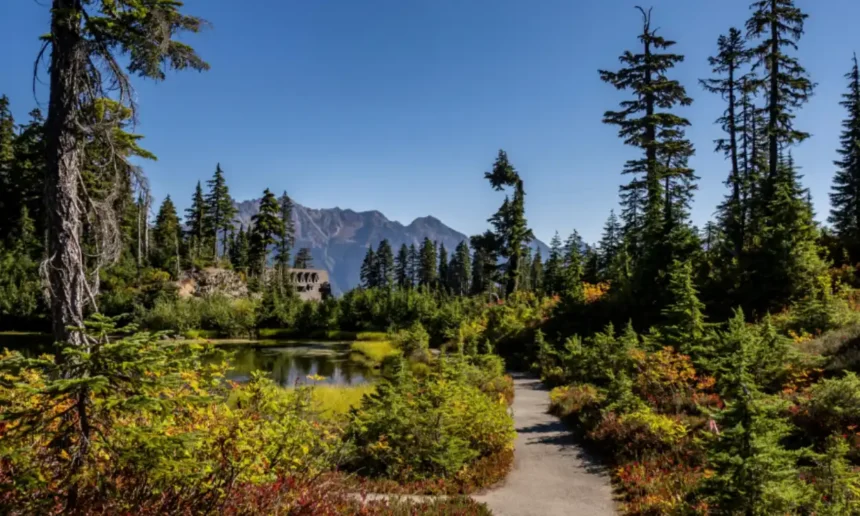
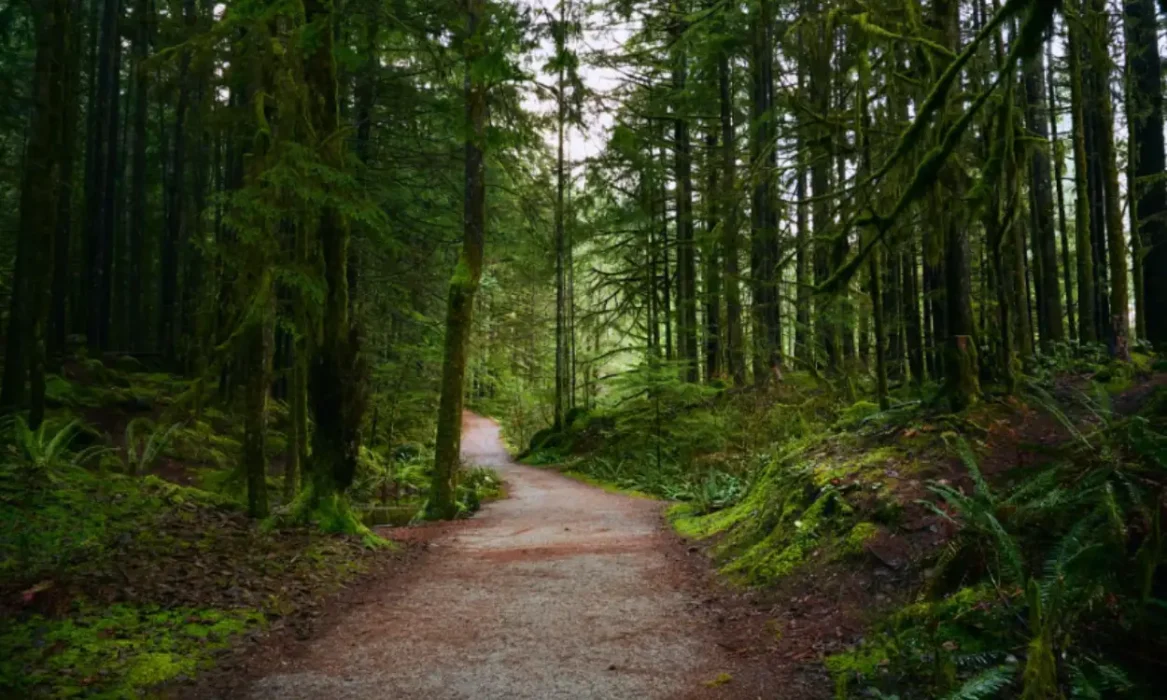
The surrounding landscape features mature Douglas fir trees, moss-covered woodland sections, seasonal wildflowers, and mountain-fed water systems that contribute to the area’s calm atmosphere. Instead of crowded visitor centers and packed trailheads, travelers encounter dispersed recreation access, open forest scenery, and quieter walking conditions.
This environment supports several visitor intentions simultaneously:
- Scenic forest immersion
- Relaxed walking experiences
- Nature photography
- Seasonal foliage viewing
- Wildlife observation
- Quiet outdoor recreation
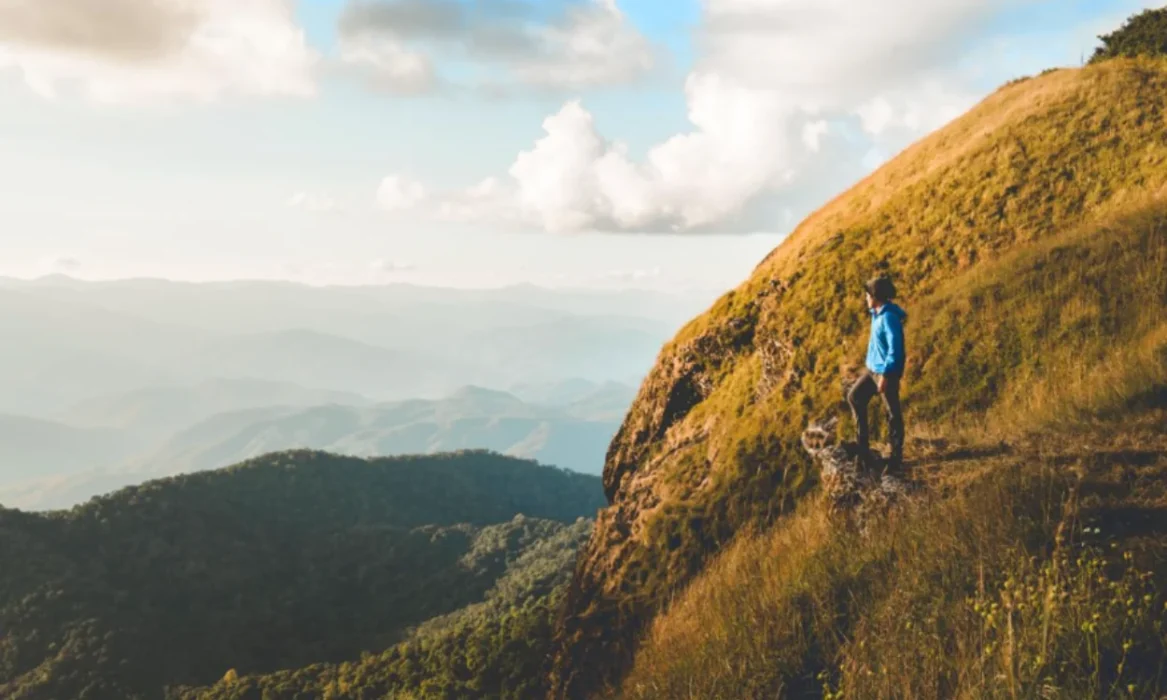
The nearby Cascade Range geography also influences the area’s peaceful character. Because Crystal Springs sits near elevated mountain terrain and forest corridors connected to the Snoqualmie Pass ecosystem, visitors experience cooler temperatures, cleaner air, and more natural soundscapes compared to urban parks in the Seattle metropolitan region.
Another differentiating factor is the area’s lower commercial density. Travelers are not overwhelmed by restaurants, retail tourism, or entertainment-focused infrastructure. Instead, Crystal Springs appeals primarily to visitors seeking nature access rather than activity-heavy itineraries.

What Can Visitors See Along the Scenic Forest and Nature Access Areas Near Crystal Springs?
The Crystal Springs area offers a layered Pacific Northwest landscape that changes throughout the year. Visitors commonly encounter forest trails, open clearings, mountain views, and creekside scenery within short walking distances.
Evergreen forest coverage defines much of the visual environment. Western red cedar, pine, and fir trees dominate the landscape, creating shaded walking routes and cooler conditions during warmer months. In autumn, the area develops additional color variation through vine maple foliage and seasonal undergrowth changes.
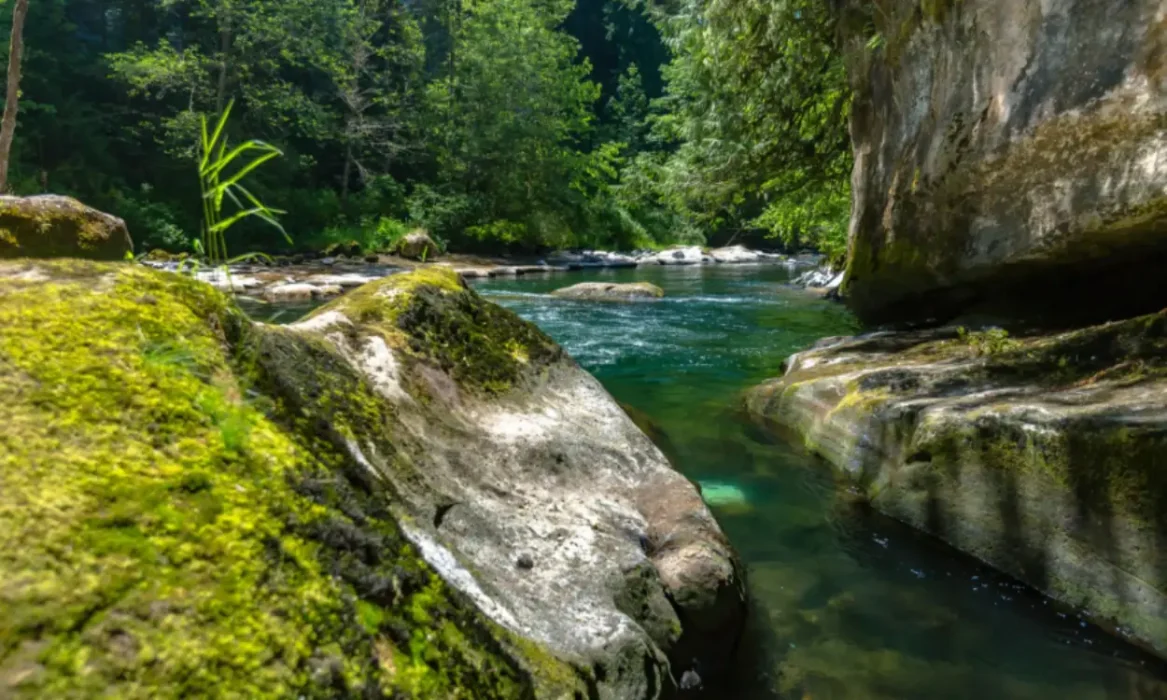
Natural water features also contribute significantly to the visitor experience. Small creeks, wetland sections, and spring-fed runoff areas support the region’s lush vegetation patterns. During wetter seasons, moss growth intensifies across rocks, logs, and forest floors, enhancing the area’s visual appeal for photographers and casual walkers.
Wildlife visibility can vary depending on season and time of day, but the broader Snoqualmie Pass corridor supports species such as:
- Elk
- Black-tailed deer
- Mountain birds
- Small forest mammals
- Migratory bird species
The peaceful environmental conditions make the area particularly attractive for visitors who prefer sensory-based outdoor experiences instead of strenuous adventure tourism. Forest sounds, moving water, and wind through tree canopies become central parts of the experience.
Scenic walking opportunities near Crystal Springs are often appreciated because they feel less rushed than heavily trafficked hiking areas across King County. Visitors can pause frequently for photography, nature observation, or quiet relaxation without navigating constant foot traffic.

Why Do Travelers Looking for Low-Crowd Nature Access Choose Crystal Springs?
Low-crowd positioning has become one of Crystal Springs’ strongest tourism advantages. Many outdoor travelers in Washington increasingly search for alternatives to overcrowded hiking destinations near Seattle. Crystal Springs answers this need by providing accessible forest scenery without the same visitor saturation found at more famous trail systems.
Several factors contribute to the quieter environment.
First, the area does not receive the same level of social media exposure as iconic Washington hiking locations. This naturally limits tourism spikes while preserving a more relaxed atmosphere.
Second, Crystal Springs supports slower outdoor recreation styles. Visitors are often interested in walking, nature viewing, or peaceful exploration rather than summit-focused hiking goals. This changes the pace and overall energy of the environment.
Third, the surrounding road access disperses visitors across broader recreation zones near Snoqualmie Pass instead of concentrating everyone into a single attraction point.
For travelers seeking mental reset experiences, the low-noise environment becomes especially valuable. The area supports activities such as:
- Solo walking
- Quiet reflection
- Forest photography
- Birdwatching
- Seasonal sightseeing
- Light outdoor exercise
This type of tourism aligns with growing demand for wellness-oriented outdoor destinations in Washington State. Instead of adrenaline-focused recreation, Crystal Springs provides restorative nature access experiences connected to forest environments and mountain scenery.
When Is the Best Time to Visit Crystal Springs for Seasonal Greenery and Scenic Walking?
Crystal Springs offers different scenic advantages throughout the year, but late spring through early fall generally provides the most accessible visitor conditions.
Spring introduces stronger greenery throughout the forest ecosystem. Snowmelt increases water flow in nearby creeks while moss, ferns, and undergrowth become more vibrant. This season is especially appealing for nature photography and quiet forest walks because temperatures remain moderate and visitor traffic stays relatively light.
Summer creates the easiest trail and road access conditions. Dense tree canopy coverage helps maintain cooler temperatures compared to exposed hiking environments elsewhere in Washington. Visitors looking for shaded scenic walking routes often prefer Crystal Springs during warmer months.
Early autumn delivers one of the area’s most visually dynamic periods. Seasonal foliage changes introduce yellow, orange, and red tones into the evergreen landscape, creating strong visual contrast across forest corridors and mountain backdrops.
Winter conditions can become more variable because of snowfall near Snoqualmie Pass. While snow enhances the scenic atmosphere, road conditions and accessibility may fluctuate depending on weather patterns. Travelers should monitor Washington State mountain pass conditions before visiting during colder months.
Morning visits often provide the quietest overall experience. Early daylight hours improve opportunities for wildlife visibility, photography lighting, and peaceful walking conditions before regional traffic increases.
How Does Crystal Springs Connect to Other Scenic Destinations in King County and the Cascade Region?
Crystal Springs benefits from strong regional connectivity despite its secluded atmosphere. Its location near Interstate 90 allows travelers to combine the area with broader Cascade foothills exploration across King County and Central Washington.
Nearby outdoor access points include Snoqualmie Pass, Keechelus Lake, North Bend, and forest recreation corridors extending toward Cle Elum. This positioning makes Crystal Springs useful for travelers planning multi-stop scenic drives or nature-focused weekend itineraries.
Visitors traveling from Seattle often appreciate the relatively direct route into mountain landscapes without requiring extremely long travel times. Compared to deeper Cascade destinations requiring extended driving, Crystal Springs offers a more approachable nature access option.
The surrounding region also supports additional tourism categories such as:
- Scenic highway travel
- Forest recreation
- Mountain photography
- Seasonal road trips
- Nature-based wellness tourism
Because the area sits within broader Washington recreation networks, travelers can customize experiences based on energy level and seasonal conditions. Some visitors use Crystal Springs as a quiet stop during longer Cascade drives, while others choose it specifically for its calm environment and slower pace.
If you are visiting this area, you may also want to explore: small cafés near Crystal Springs Washington.

This complementary experience helps travelers extend their day trip with quiet dining environments, coffee stops, and relaxing local café settings after forest walks or scenic exploration. It also satisfies visitor intent connected to casual food experiences without disrupting the peaceful atmosphere associated with the Crystal Springs area.
What Type of Visitor Experience Should Travelers Expect at Crystal Springs?
Travelers visiting Crystal Springs should expect a slower, quieter, and more nature-centered experience than major tourism destinations in Washington State. The environment supports intentional outdoor recreation rather than fast-paced sightseeing schedules.
Visitors commonly describe the area as calming because of its forest density, natural soundscape, and reduced crowd pressure. Rather than navigating busy parking lots or heavily managed tourism zones, travelers experience a more organic outdoor setting tied closely to the Cascade ecosystem.
The area’s peaceful character also makes it suitable for a wide range of visitors, including:
- Couples seeking scenic walks
- Solo travelers exploring quiet nature areas
- Families wanting low-stress outdoor access
- Photographers interested in forest scenery
- Wellness-focused travelers seeking calm environments
Because the recreation style is less commercialized, preparation becomes important. Travelers should bring weather-appropriate clothing, water, navigation awareness, and seasonal driving information, particularly during colder months near Snoqualmie Pass.
The overall experience is best understood as restorative outdoor access rather than attraction-heavy tourism. Crystal Springs succeeds because it allows visitors to engage directly with Washington’s natural landscape without excessive distraction, crowding, or urban pressure.
Frequently Asked Questions About Crystal Springs Nature Access
Is Crystal Springs Washington good for peaceful outdoor walks?
Yes, Crystal Springs is known for quiet forest surroundings, scenic walking conditions, and lower visitor traffic compared to many popular Washington hiking areas. The environment supports relaxed outdoor recreation and nature-focused experiences.
Where is Crystal Springs located in relation to Seattle?
Crystal Springs is located within the broader Snoqualmie Pass and Cascade foothills region east of Seattle in King County, Washington. The area is accessible through Interstate 90 connections.
What is the best season to visit Crystal Springs?
Late spring through early fall usually provides the best visitor conditions. Spring offers vibrant greenery, summer provides shaded forest access, and autumn delivers colorful seasonal foliage.
Does Crystal Springs attract large tourist crowds?
Crystal Springs generally remains quieter than major hiking destinations in Washington. Its lower-profile reputation and dispersed recreation access help preserve a more peaceful visitor environment.
What kind of scenery can visitors expect near Crystal Springs?
Visitors can expect evergreen forests, seasonal foliage, moss-covered landscapes, mountain surroundings, creek systems, and scenic woodland walking environments typical of the Cascade region.
Is Crystal Springs suitable for casual nature tourism?
Yes, the area works well for casual nature tourism because visitors do not need intense hiking objectives to enjoy the scenery. Scenic walks, photography, and quiet outdoor exploration are common activities.