


Visitors to the Seattle Aquarium can expect a structured indoor marine experience featuring Pacific Northwest marine life, family-friendly interactive exhibits, educational learning spaces, and direct access to Seattle’s waterfront district. Located on the historic waterfront in Seattle within King County, the aquarium serves as one of the region’s most recognized marine education attractions. The facility combines conservation-focused exhibits, immersive viewing environments, hands-on experiences, and waterfront exploration opportunities, making it suitable for families, tourists, students, and independent travelers.
Unlike larger marine theme parks, the Seattle Aquarium emphasizes marine ecosystems found throughout the Pacific Northwest, including species from Puget Sound, the Pacific Ocean, coastal Washington waters, and nearby marine habitats. Most visitors spend between two and four hours exploring the exhibits before continuing their waterfront experience.
What Makes Seattle Aquarium One of Seattle’s Most Popular Indoor Attractions?
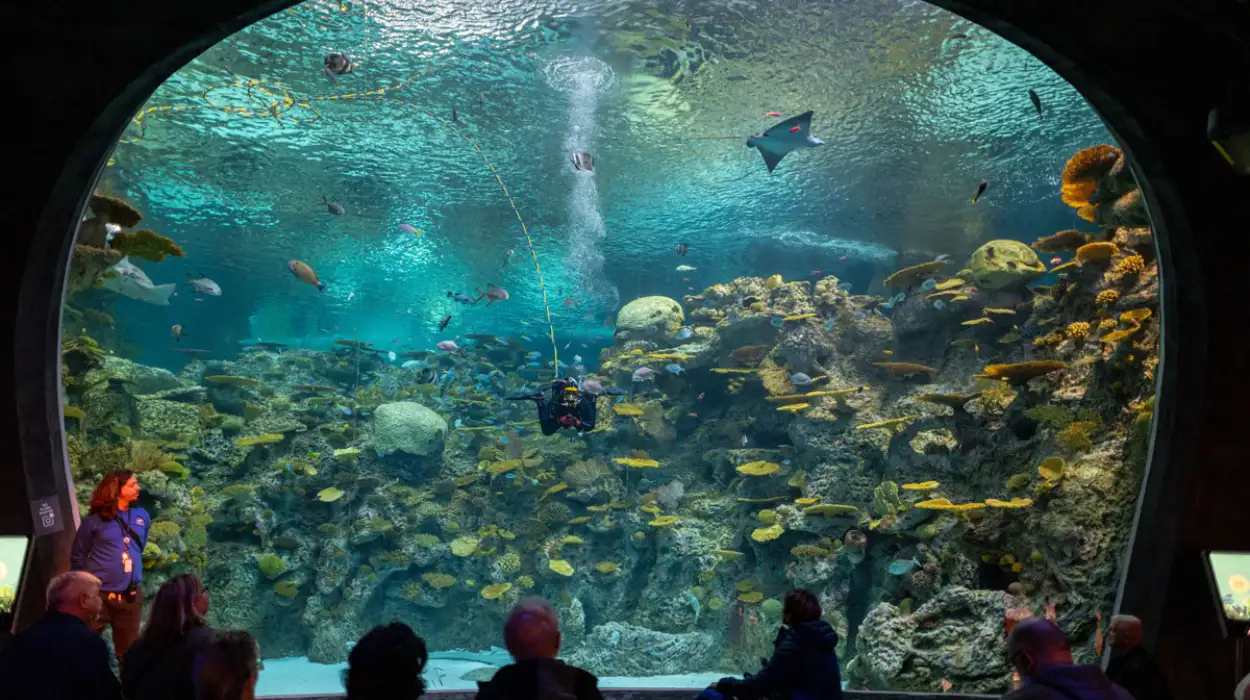
Seattle Aquarium is widely recognized as one of the premier indoor attractions in downtown Seattle because it combines entertainment, education, conservation, and accessibility in a single waterfront location.
Situated on Pier 59, the aquarium offers year-round experiences regardless of weather conditions. This makes it particularly attractive during rainy seasons when outdoor sightseeing becomes less convenient.
The facility plays an important role in marine conservation education throughout Washington State. Through interactive exhibits, educational programs, and research initiatives, visitors gain a deeper understanding of marine biodiversity within Puget Sound and the broader Pacific Northwest region.

Its location also enhances its popularity. Visitors can easily combine the aquarium with nearby attractions such as Pike Place Market, Seattle Great Wheel, Olympic Sculpture Park, and the broader Seattle Waterfront redevelopment area.
For travelers seeking an educational indoor activity that also connects directly to Seattle’s maritime identity, the aquarium provides a highly accessible experience.
What Marine Exhibits Should Visitors Prioritize Inside Seattle Aquarium?
The aquarium’s primary appeal comes from its carefully curated marine exhibits showcasing regional ecosystems and species.

Exploring the Window on Washington Waters Exhibit
One of the most recognized attractions inside Seattle Aquarium is the Window on Washington Waters exhibit. This large underwater viewing environment recreates marine conditions found within Puget Sound.
Visitors can observe numerous species swimming through a realistic ecosystem environment. Fish, marine invertebrates, and other native aquatic animals demonstrate the biodiversity that exists beneath the waters surrounding Seattle and the greater Pacific Northwest.
The exhibit serves as an introduction to regional marine habitats while helping visitors understand ecological relationships within Washington’s coastal waters.
Discovering Life Along the Pacific Northwest Coast
Several exhibits focus specifically on coastal habitats found throughout Washington State.
These areas highlight rocky shore ecosystems, kelp forests, and tidal environments. Interpretive displays explain how changing tides influence marine life and how organisms adapt to varying environmental conditions.
Species commonly featured include sea stars, anemones, fish species native to Puget Sound, and numerous invertebrates found throughout Pacific Northwest coastal ecosystems.

Observing Marine Mammals and Seabirds
Marine mammals remain among the most popular attractions for visitors.
Educational exhibits introduce guests to the challenges faced by marine mammals throughout the Pacific Northwest. Conservation messaging focuses on habitat protection, pollution reduction, and ecosystem stewardship.
Seabird exhibits further expand visitor understanding of marine food webs by demonstrating connections between ocean health and coastal bird populations.
Understanding Ocean Conservation Through Specialized Displays
Beyond animal observation, many exhibits emphasize conservation science.
Interactive educational panels explain marine pollution, climate-related impacts, habitat restoration efforts, and regional conservation projects occurring throughout Washington waters.
These educational components help transform a typical attraction visit into a learning experience focused on environmental responsibility.
Which Interactive Zones Make Seattle Aquarium Family Friendly?
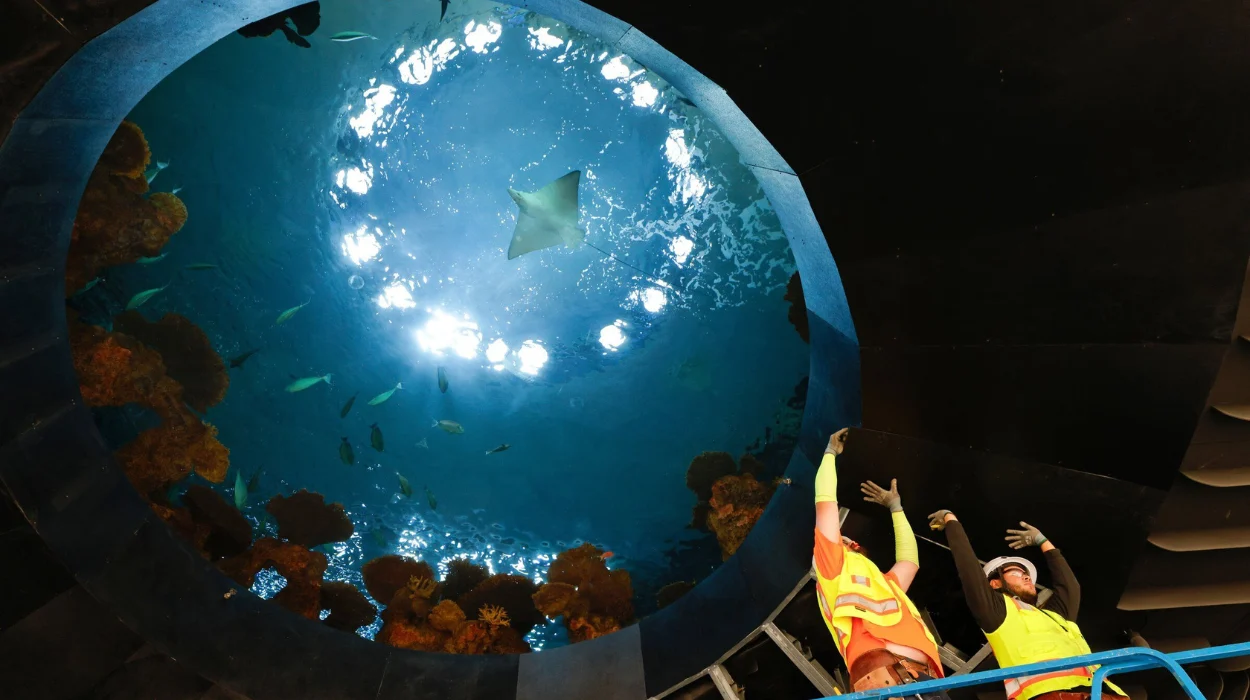
Families visiting Seattle Aquarium often prioritize hands-on experiences that allow children to engage directly with marine science concepts.
How Do Touch Pools Enhance Learning Experiences?
Touch pools remain among the aquarium’s most popular interactive features.
These supervised environments allow visitors to observe and, when permitted, gently interact with selected marine organisms. Educational staff members explain species adaptations, habitat requirements, and ecological roles.
Children often gain a stronger understanding of marine biology through these tactile experiences than through traditional exhibit viewing alone.
What Educational Activities Are Available for Young Visitors?
Seattle Aquarium incorporates learning opportunities throughout the visitor journey.
Interpretive stations provide age-appropriate explanations of marine ecosystems, ocean conservation, and species identification. Interactive displays encourage children to explore scientific concepts through observation and participation.
The educational design helps families balance entertainment with meaningful learning outcomes.
Why Are Live Demonstrations Popular Among Families?
Scheduled educational presentations often attract large audiences.
Aquarium educators share information about marine animals, habitat conservation, and ecosystem relationships. These demonstrations provide additional context that enriches the overall exhibit experience.
Families frequently plan portions of their visit around these programs because they create memorable educational moments beyond standard exhibit viewing.
How Does Seattle Aquarium Support Marine Education and Conservation Awareness?
Seattle Aquarium functions as more than a tourist attraction; it serves as an important educational institution within the Pacific Northwest.
How Does the Aquarium Teach Visitors About Puget Sound?
Many exhibits focus specifically on the ecological importance of Puget Sound.
Visitors learn about local marine habitats, species diversity, environmental pressures, and ongoing restoration efforts. Educational content helps residents and tourists understand the significance of one of the region’s most important natural resources.
The focus on local ecosystems distinguishes Seattle Aquarium from facilities that primarily emphasize exotic marine species.
What Conservation Topics Are Covered Throughout the Aquarium?
Conservation themes appear throughout the visitor experience.
Topics commonly addressed include marine pollution, sustainable fisheries, habitat restoration, biodiversity protection, and climate-related challenges affecting marine environments.
Educational signage and interpretive materials connect these global issues to local Washington waters, making conservation concepts more relevant and actionable for visitors.
Why Is Marine Literacy a Core Part of the Visitor Experience?
Marine literacy refers to understanding how oceans influence human life and how human activities affect marine ecosystems.
Seattle Aquarium integrates this concept throughout its exhibits by connecting species displays with broader environmental themes. Visitors leave with greater awareness of ecosystem interdependence and conservation responsibilities.
This educational emphasis enhances the attraction’s value for schools, families, and lifelong learners.
How Long Does a Typical Seattle Aquarium Visit Take and How Is It Structured?
Most visitors spend approximately two to four hours exploring Seattle Aquarium, depending on crowd levels, exhibit engagement, and participation in educational programs.
The experience typically begins with introductory exhibits focused on Pacific Northwest ecosystems. Visitors then move through larger marine habitats, interactive zones, educational displays, and conservation-focused sections.
Families with younger children often spend additional time at touch pools and interactive stations. Photography enthusiasts may allocate extra time to underwater viewing areas and exhibit observation.
The indoor layout is designed to support self-guided exploration, allowing guests to move at their preferred pace while following a logical progression through marine habitats and educational themes.
Because the aquarium is located directly on Seattle’s waterfront, many visitors continue their day by exploring nearby public spaces, attractions, and scenic viewpoints after completing their aquarium visit.
When Are the Best Times to Visit Seattle Aquarium for a Better Experience?
Visitors seeking a less crowded experience generally benefit from arriving earlier in the day.
Weekdays outside major holiday periods typically offer lighter attendance compared with weekends and school vacation periods. Morning visits often provide more comfortable exhibit viewing conditions and shorter entry lines.
Peak visitation commonly occurs during summer tourism months when Seattle experiences increased visitor activity across major attractions.
Weather conditions can also influence attendance. Rainy days frequently drive additional visitors toward indoor attractions such as Seattle Aquarium, making advance planning beneficial.
Purchasing tickets before arrival can help streamline entry and reduce waiting times during busy periods.
How Does Seattle Aquarium Connect to the Seattle Waterfront Experience?
Seattle Aquarium serves as one of the central attractions within Seattle’s revitalized waterfront district.
After visiting the aquarium, travelers can continue exploring nearby landmarks including Seattle Great Wheel, Pike Place Market, Waterfront Park, and scenic viewpoints overlooking Elliott Bay.
The waterfront setting creates a seamless transition between indoor marine education and outdoor urban exploration. Visitors gain a stronger appreciation for Seattle’s maritime heritage while experiencing both natural and cultural attractions within a walkable area.
If you are visiting this area, you may also want to explore best seafood restaurants near Seattle Aquarium and waterfront.
This related guide complements the aquarium experience by helping visitors discover dining options after sightseeing. It satisfies food-focused search intent for travelers looking for seafood restaurants, waterfront dining experiences, and convenient meal options within walking distance of the aquarium and surrounding attractions.
Frequently Asked Questions About Seattle Aquarium
Is Seattle Aquarium worth visiting for families?
Yes. Seattle Aquarium offers interactive exhibits, touch pools, educational programs, and marine life displays that appeal to children and adults. Families often appreciate the balance between entertainment and learning, making it one of Seattle’s most family-friendly indoor attractions.
How much time should I plan for Seattle Aquarium?
Most visitors spend between two and four hours exploring exhibits, participating in educational activities, and viewing marine habitats. Families with young children may spend longer due to interactive experiences and live presentations.
What animals can visitors see at Seattle Aquarium?
Visitors can observe fish, marine invertebrates, seabirds, and marine mammals associated with Pacific Northwest ecosystems. Exhibits focus heavily on species found in Puget Sound, Washington coastal waters, and nearby marine habitats.
What is the best time of day to visit Seattle Aquarium?
Morning visits generally provide a more comfortable experience with lighter crowds and shorter lines. Weekdays outside school holidays are often less busy than weekends and peak summer tourism periods.
Is Seattle Aquarium located near other Seattle attractions?
Yes. The aquarium sits on Seattle’s waterfront near Pike Place Market, Seattle Great Wheel, Waterfront Park, and other downtown attractions. Many visitors combine multiple attractions into a single day of sightseeing.
Does Seattle Aquarium focus on conservation education?
Yes. Conservation and marine literacy are central components of the aquarium experience. Exhibits explain marine ecosystems, environmental challenges, habitat restoration efforts, and conservation initiatives throughout the Pacific Northwest.