

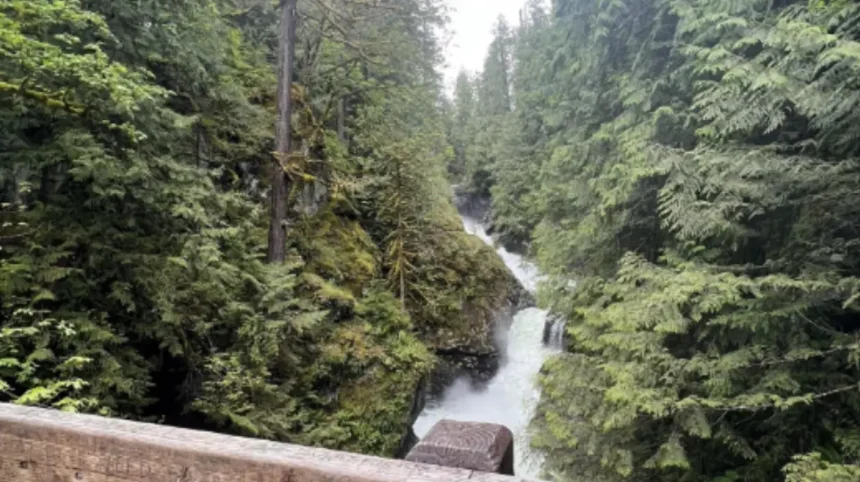
Twin Falls Trail is one of the most accessible scenic waterfall hikes in King County. Located near North Bend, the trail combines a moderate forest hike with multiple viewpoints of the South Fork Snoqualmie River and the impressive Twin Falls waterfall system. Visitors choose this trail for its manageable difficulty, lush Pacific Northwest scenery, and rewarding waterfall overlooks that can be reached in a relatively short amount of time.
The trail sits within the Mount Baker-Snoqualmie National Forest, making it a popular destination for travelers exploring the Snoqualmie Valley. Whether you are planning a half-day outdoor excursion or adding a waterfall stop to a broader Washington itinerary, Twin Falls Trail offers a reliable combination of scenic views, forest immersion, and accessible hiking conditions.
What makes Twin Falls Trail one of the best waterfall hikes in King County?
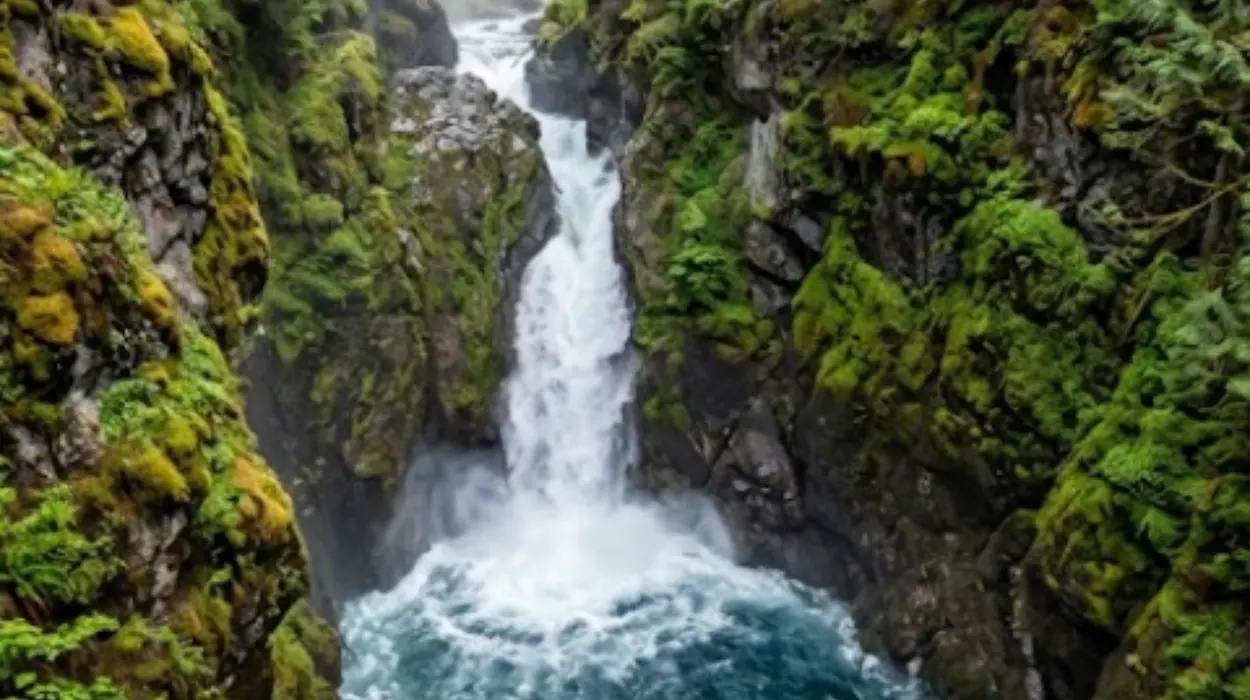
Twin Falls Trail stands out because it delivers multiple waterfall viewpoints without requiring a strenuous mountain climb. The route follows a well-maintained forest path through towering Douglas fir and western red cedar trees before reaching overlooks that reveal the cascading falls and the river gorge below.
The hike is especially appealing for visitors who want a classic Pacific Northwest experience that includes:
- Dense evergreen forest scenery
- River and gorge viewpoints
- Suspension bridge crossings
- Multiple waterfall observation areas
- A moderate elevation gain suitable for many hikers
Because the trail is close to Interstate 90, it attracts both local residents and travelers visiting nearby destinations such as Snoqualmie Falls, Rattlesnake Lake, and North Bend.

How difficult is the Twin Falls Trail route for first-time hikers?
Twin Falls Trail is generally considered a moderate hike. The standard round-trip distance is about 2.5 to 3.5 miles, depending on the viewpoint reached, with an elevation gain of roughly 500 to 700 feet.
Route structure and key landmarks
The hike typically progresses through several distinct sections:
- Trailhead and forest approachThe route begins in the Twin Falls Natural Area and immediately enters a dense forest corridor.
- First suspension bridgeA scenic bridge provides views of the South Fork Snoqualmie River and marks one of the most photographed spots on the trail.
- Lower falls viewpointThe first major overlook offers a clear view of the lower cascades and the surrounding gorge.
- Upper falls viewpointContinuing uphill leads to additional overlooks with broader views of the waterfall system.
What can you see at the lower and upper Twin Falls viewpoints?
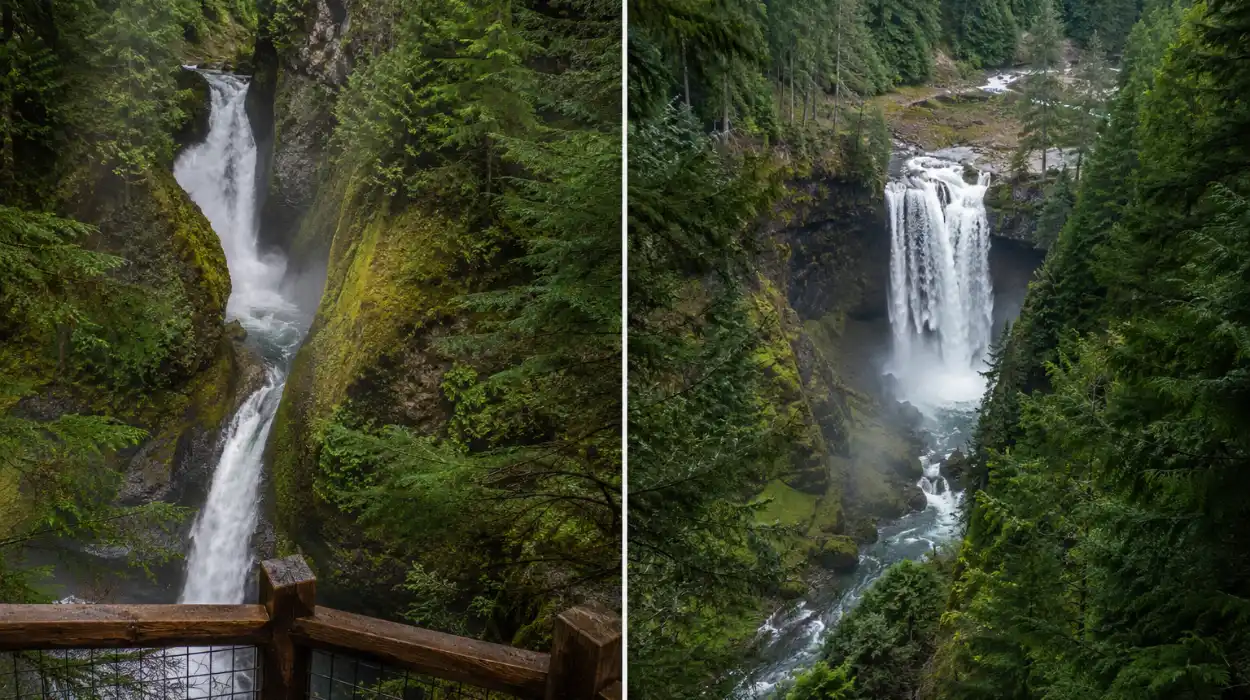
Lower Falls viewpoint
The lower viewpoint is often the highlight for visitors who want a shorter hike. From the observation area, you can see water plunging through a narrow rock channel into the gorge below. The surrounding cliffs are covered with mosses and ferns that thrive in the moist river environment.

During spring and early summer, snowmelt from the Cascade Mountains increases the river flow, creating especially dramatic waterfall conditions.
Upper Falls viewpoint
The upper viewpoint provides a different perspective of the waterfall system. Here, the falls appear broader and more expansive, with additional cascades visible through openings in the forest canopy. The elevated position also offers better views of the river corridor extending downstream.
Photographers often prefer the upper viewpoint because it allows for wider compositions that include both the waterfall and the surrounding evergreen forest.
How long does it take to complete Twin Falls Trail?
Most visitors complete the hike in 1.5 to 2.5 hours. The exact time depends on fitness level, trail conditions, and how long you spend at the viewpoints.
Typical completion times
Round trip
| Visitor pace | Estimated time |
|---|---|
| Fast hikers | 1–1.5 hours |
| Average visitors | 1.5–2.5 hours |
| Families and photographers | 2.5–3+ hours |
Best planning window

Half-day outing
A comfortable half-day itinerary from Seattle usually includes travel time, parking, the hike itself, and a short break at the viewpoints.
What are the best seasonal conditions for hiking Twin Falls Trail?

Spring: strongest waterfall flow
Spring is widely considered the best season for viewing the falls. Snowmelt from the Cascades increases water volume, and the forest becomes exceptionally green.
Best for: Powerful waterfalls, lush vegetation, cool temperatures.
Summer: easiest hiking conditions
Summer brings drier trails and longer daylight hours. The waterfall flow is lower than in spring, but hiking conditions are generally easier.
Best for: Families, casual hikers, and predictable trail conditions.
Autumn: colorful forest scenery
Early autumn offers pleasant temperatures and fewer crowds. Deciduous trees mixed within the evergreen forest add seasonal color along portions of the route.
Best for: Comfortable hiking weather and photography.
Winter: caution required
The trail remains accessible during much of the winter, but conditions can change quickly. Ice, snow, and slippery bridges may require additional traction devices and extra caution.
Best for: Experienced winter hikers with appropriate gear.
What safety precautions should hikers follow on Twin Falls Trail?
The most important safety consideration is the slippery terrain near viewpoints and bridges. Moss-covered rocks and wet wooden surfaces can become hazardous, especially after rain.
Essential safety tips
- Wear hiking shoes with good traction.
- Stay behind viewpoint barriers.
- Keep children close near bridges and overlooks.
- Carry water even for short hikes.
- Check weather forecasts before departing.
- Avoid climbing on rocks near the waterfall.
Trail etiquette
- Pack out all trash.
- Stay on designated trails.
- Yield to uphill hikers when appropriate.
- Keep noise levels reasonable.
- Respect wildlife and vegetation.
How does Twin Falls Trail compare with other North Bend waterfall hikes?
| Trail | Main attraction | Difficulty |
|---|---|---|
| Twin Falls Trail | Multiple waterfall viewpoints | Moderate |
| Snoqualmie Falls | Large iconic waterfall | Easy |
| Franklin Falls Trail | Close-up waterfall view | Easy to moderate |
| Rattlesnake Ledge Trail | Lake and mountain panorama | Moderate |
Twin Falls Trail occupies a useful middle ground. It provides a more immersive hiking experience than Snoqualmie Falls while remaining shorter and less demanding than many Cascade foothill hikes.
What nearby destinations can be combined with Twin Falls Trail?
Nearby destinations around Twin Falls Trail
Twin Falls Trail works well as part of a broader Snoqualmie Valley day trip. Popular nearby destinations include:
North Bend-5–10 min
Gateway town for hiking, lodging, and outdoor recreation.,Snoqualmie Falls
15–20 min-One of Washington’s most visited waterfalls.
Rattlesnake Lake-10–15 min
Scenic lake views and additional hiking opportunities.
Snoqualmie Pass-25–30 min
Access to higher-elevation Cascade trails.
Where should visitors eat after hiking Twin Falls Trail?
Continue your trip with a café stop
If you are visiting this area, you may also want to explore small cafés near Twin Falls Trail.
That guide complements the hiking experience by helping visitors find coffee shops, breakfast spots, and post-hike refreshments in the North Bend area.
It is particularly useful for travelers looking for a convenient dining stop before or after their waterfall hike.
Frequently Asked Questions About Twin Falls Trail
Is Twin Falls Trail suitable for beginners?
Yes. Twin Falls Trail is considered a moderate hike with a well-maintained path and manageable elevation gain. Most beginners who are comfortable walking a few miles can complete the hike successfully.
How far is Twin Falls Trail from Seattle?
The trailhead is roughly 35–40 miles east of Seattle via Interstate 90, making it a convenient day trip from the city.
Can you see the waterfall without completing the full hike?
Yes. The lower falls viewpoint can be reached with a relatively short hike from the trailhead, allowing visitors to enjoy a waterfall view without hiking the entire route.
When is the waterfall flow strongest?
Water flow is typically strongest in spring due to snowmelt from the Cascade Mountains. March through June generally offers the most dramatic waterfall conditions.
Are dogs allowed on Twin Falls Trail?
Dogs are generally permitted on the trail, but owners should keep them under control, clean up after them, and verify current regulations before visiting.
What should I bring for the hike?
Bring hiking shoes with good traction, water, a light rain layer, and a camera. During winter, additional traction devices may be helpful if icy conditions are present.