
Snoqualmie Valley in King County, Washington is one of the best destinations for scenic drives in the Pacific Northwest. Surrounded by the Cascade Mountains, winding rivers, waterfalls, evergreen forests, and charming small towns, the valley offers multiple road trip routes that combine natural beauty with easy access to iconic landmarks. Whether you are planning a half-day drive or a full-day road trip, the region provides outstanding mountain views, photography stops, seasonal scenery, and convenient travel connections.
Why Are the Scenic Drives Around Snoqualmie Valley Worth Exploring?
Snoqualmie Valley stretches through several picturesque communities, including Snoqualmie, North Bend, Fall City, Carnation, Duvall, and nearby rural landscapes. Located less than an hour from Seattle, the valley sits between the western foothills of the Cascade Range and fertile farmland shaped by the Snoqualmie River.
The area’s scenic roads appeal to travelers seeking waterfalls, mountain panoramas, historic landmarks, forested highways, and peaceful countryside without traveling deep into the mountains. Major routes connect visitors with destinations such as Snoqualmie Falls, Mount Si, Rattlesnake Lake, Middle Fork Snoqualmie River, Tiger Mountain State Forest, and Snoqualmie Pass.
Unlike many mountain drives that focus on a single destination, the Snoqualmie Valley road network allows travelers to customize routes based on available time, weather, photography opportunities, and seasonal interests. This flexibility makes the region ideal for first-time visitors, weekend explorers, and local road trip enthusiasts alike.
Which Scenic Driving Routes Showcase the Best of Snoqualmie Valley?
The most rewarding scenic drives combine mountain highways, quiet valley roads, and riverside viewpoints. Each route highlights different landscapes while remaining connected through the valley’s transportation network.
Snoqualmie to North Bend Along State Route 202
One of the valley’s most popular drives begins in downtown Snoqualmie before continuing east toward North Bend via State Route 202. Although relatively short, this route packs together some of the region’s most recognizable natural attractions.
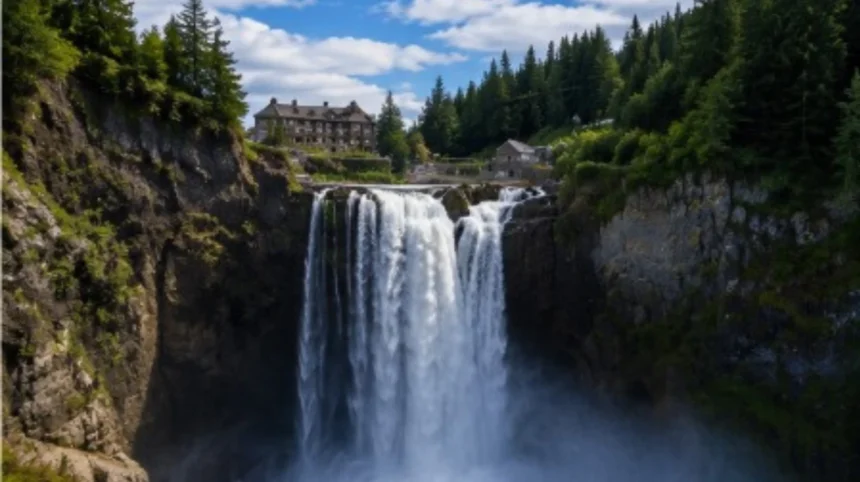
The drive begins near Snoqualmie Falls, where one of Washington’s tallest waterfalls plunges 268 feet into the Snoqualmie River. Observation decks provide dramatic viewpoints before travelers continue toward North Bend beneath the backdrop of Mount Si.
As the road approaches North Bend, forested hills gradually transition into rugged mountain scenery. Local parks, river crossings, and open viewpoints create numerous opportunities for short breaks without significantly extending the journey.

This route works particularly well for travelers with limited time who still want to experience the valley’s signature landscapes.
The Snoqualmie Valley Scenic Byway Experience
Travelers looking for a longer countryside drive often follow portions of the Snoqualmie Valley Scenic Byway, connecting Snoqualmie with Fall City, Carnation, and Duvall.
Instead of dramatic elevation changes, this drive highlights fertile farmland, rolling hills, river valleys, historic bridges, and rural communities that reflect the agricultural heritage of King County.
The route follows the Snoqualmie River through peaceful landscapes where seasonal colors transform dramatically throughout the year. During spring and summer, green fields dominate the scenery, while autumn introduces vibrant reds, oranges, and golds across the valley.
Historic downtown districts, local parks, and preserved open spaces create natural stopping points for travelers seeking a slower-paced driving experience.
Interstate 90 Toward Snoqualmie Pass
For visitors wanting alpine scenery, Interstate 90 provides one of Washington’s most spectacular mountain drives.

Beginning near North Bend, the highway climbs steadily toward Snoqualmie Pass, revealing increasingly dramatic mountain vistas, dense evergreen forests, rocky cliffs, and seasonal snowfields.
Several recreation areas along the corridor offer opportunities to pause, enjoy panoramic views, or begin hiking adventures. During winter, the drive transforms into one of the state’s premier snow-covered mountain routes, while summer reveals lush forests and clear alpine skies.
Because elevation changes significantly along this corridor, weather conditions can vary quickly between the valley floor and Snoqualmie Pass.
Where Can You Find the Best Waterfalls and Mountain Views Along the Route?
The scenic drives around Snoqualmie Valley are defined by their proximity to waterfalls, rivers, mountain peaks, and forest landscapes. Many of these landmarks can be reached with only brief stops from the main driving routes.
Snoqualmie Falls
No scenic drive through the valley is complete without visiting Snoqualmie Falls. The waterfall remains the region’s most famous natural landmark and attracts visitors throughout the year.
Viewing platforms provide excellent perspectives regardless of season, while nearby walking paths offer additional angles overlooking the falls and surrounding forest. Morning light often creates softer photography conditions, while winter rainfall dramatically increases water flow.
Mount Si
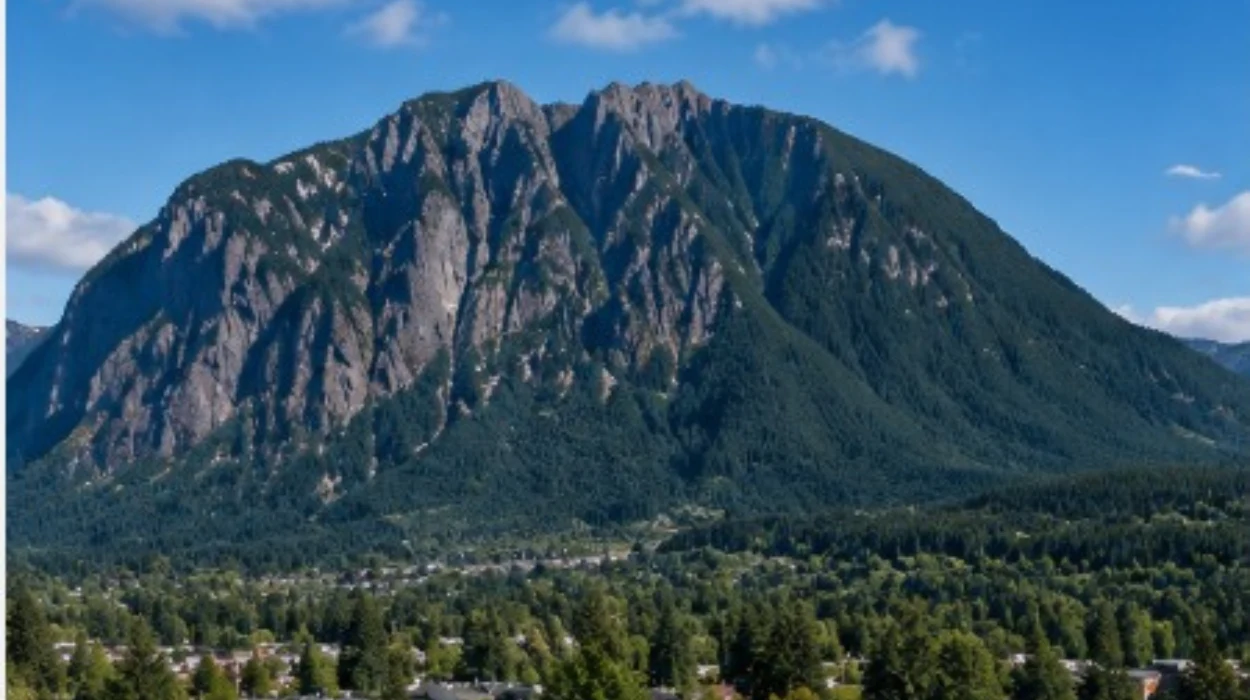
Towering above North Bend, Mount Si serves as one of the valley’s defining geographical features.
Although many visitors hike the mountain, drivers can appreciate its towering cliffs and forested slopes from numerous roadside viewpoints throughout North Bend and State Route 202. Clear weather offers exceptional visibility, especially during sunrise and late afternoon.
Rattlesnake Lake
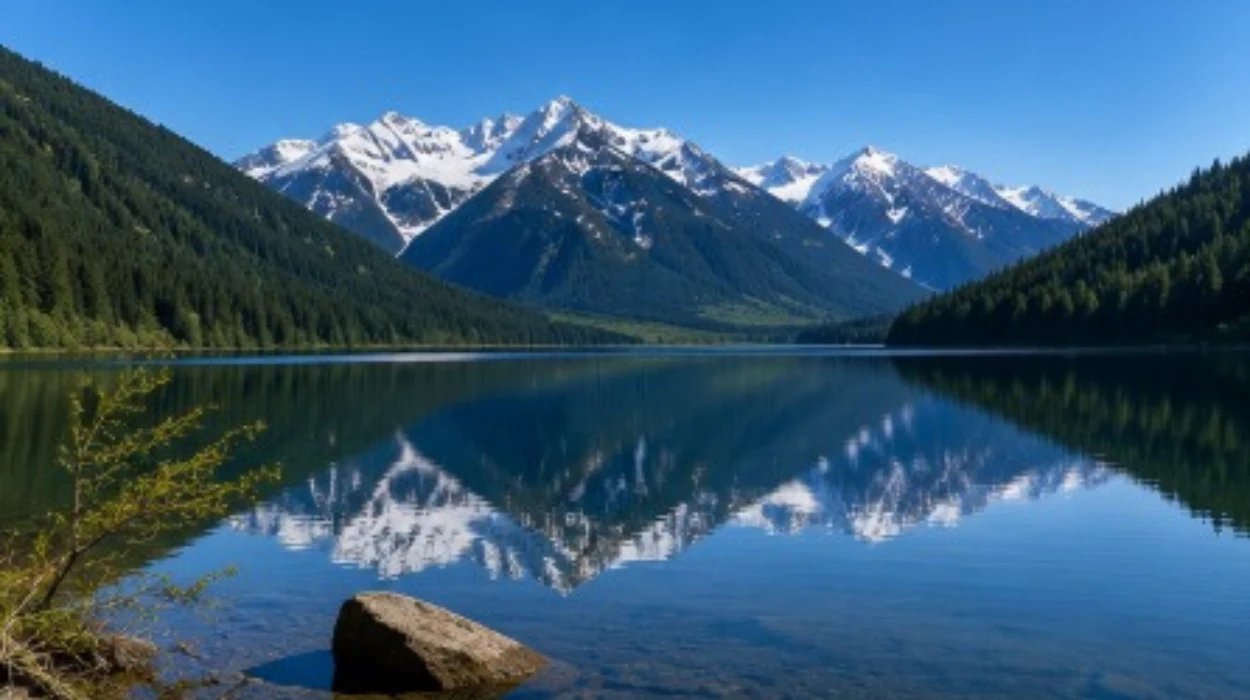
Located just outside North Bend, Rattlesnake Lake combines mountain scenery with calm reflective waters that attract photographers throughout the year.
The surrounding peaks create beautiful mirrored reflections during calm mornings, making this one of the valley’s most photogenic roadside destinations.
Middle Fork Snoqualmie River
The Middle Fork Snoqualmie River Road introduces travelers to a quieter side of the valley.
Following the river into protected forestland, this route features rushing water, moss-covered trees, mountain backdrops, and scenic picnic areas. The drive feels noticeably more remote while remaining accessible for most passenger vehicles during favorable weather conditions.
When Is the Best Season for Scenic Road Trips Around Snoqualmie Valley?
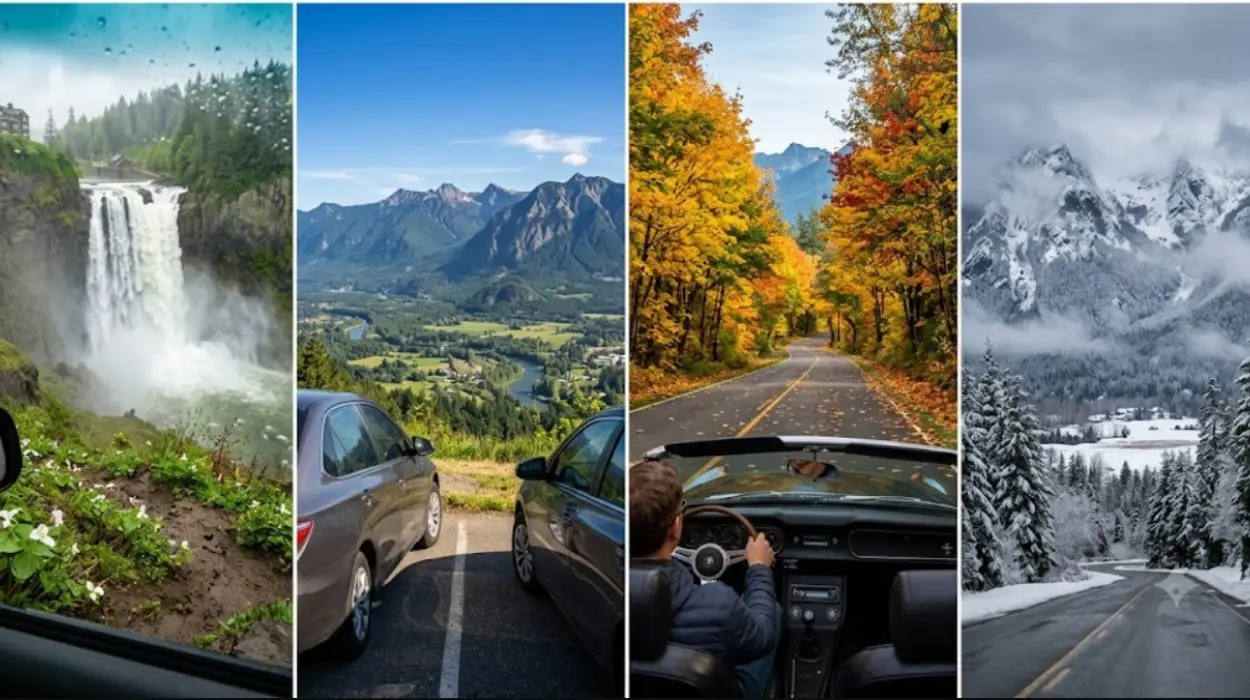
Every season offers distinct scenery, making Snoqualmie Valley a year-round road trip destination.
Spring Brings Powerful Waterfalls and Fresh Green Landscapes
Spring snowmelt increases water flow across the valley, making waterfalls particularly impressive. Wildflowers begin appearing throughout lower elevations while forests regain vibrant green colors.
Travelers should remain aware of occasional rainfall, which contributes to lush scenery but may reduce long-distance mountain visibility.
Summer Provides the Clearest Mountain Views
Summer offers warm temperatures, longer daylight hours, and generally dry road conditions.
This season allows travelers to combine scenic driving with short walks, viewpoints, and outdoor recreation. Mountain peaks remain highly visible, making summer one of the best periods for landscape photography.
Weekends can become busy, especially near Snoqualmie Falls and North Bend, so weekday visits often provide a more relaxed experience.
Autumn Creates the Valley’s Most Colorful Drives
Fall transforms the valley into one of western Washington’s most scenic driving destinations.
Deciduous trees lining rivers, parks, and rural roads produce brilliant displays of yellow, orange, and crimson. Cooler temperatures also improve visibility, creating crisp mountain views after seasonal weather fronts pass.
Photographers frequently consider late September through October the ideal period for capturing autumn landscapes.
Winter Offers Snow-Covered Mountain Scenery
Winter introduces an entirely different driving experience.
Lower elevations remain accessible while nearby Snoqualmie Pass often receives significant snowfall. Snow-covered evergreens, misty forests, and dramatic mountain weather create striking scenery.
Drivers should always monitor road conditions before traveling toward higher elevations, especially during active winter storms.
Where Are the Best Photography Pull-Off Points Along Scenic Drives?
Snoqualmie Valley contains numerous roadside locations where travelers can safely stop and capture memorable photographs.
Snoqualmie Falls Observation Area
The official observation plaza remains the valley’s premier photography location. Elevated viewpoints provide expansive compositions featuring the waterfall, river gorge, and surrounding forest canopy.
Morning visits generally produce softer lighting, while overcast conditions often reduce harsh shadows.
Meadowbrook Bridge Area
The historic Meadowbrook Bridge provides classic rural valley views with farmland, rivers, and distant Cascade peaks. During autumn, surrounding trees create colorful foregrounds that enhance landscape photography.
North Bend Viewpoints
Several roadside areas around North Bend frame Mount Si beautifully. Open spaces near parks and community roads allow photographers to capture the mountain rising dramatically above the town.
Golden hour shortly after sunrise or before sunset often delivers the most balanced lighting.
Snoqualmie Pass Scenic Overlooks
Higher elevations near Snoqualmie Pass feature panoramic mountain overlooks where visitors can photograph forested valleys, distant ridgelines, and seasonal snow.
Weather changes rapidly, so flexible planning helps maximize visibility and photography conditions.
How Long Should You Plan for a Scenic Drive Around Snoqualmie Valley?
Trip duration depends on how many destinations travelers choose to include.
A short scenic drive between Snoqualmie and North Bend, including Snoqualmie Falls, generally requires two to three hours with several viewpoint stops.
A more comprehensive valley exploration extending through Fall City, Carnation, and Duvall typically occupies five to six hours, allowing time for walking, photography, and enjoying multiple viewpoints.
Travelers continuing toward Snoqualmie Pass should plan a full day, especially if combining scenic overlooks with hiking trails, lakes, or recreational areas.
Allowing additional flexibility improves the experience because changing weather, seasonal colors, and spontaneous photo opportunities often encourage longer stops than originally planned.
How Can Nearby Destinations Enhance Your Snoqualmie Valley Road Trip?
Snoqualmie Valley connects seamlessly with several nearby travel destinations, allowing visitors to expand their itinerary without extensive additional driving.
North Bend serves as a gateway to the Cascade Mountains, while Fall City provides access to quieter rural landscapes. Carnation and Duvall introduce visitors to agricultural scenery and riverside environments that contrast with the surrounding mountain terrain.
These connected destinations help travelers experience the diversity of King County, from alpine landscapes and waterfalls to fertile valley farmland and historic communities, making the region ideal for both day trips and weekend road adventures.
If you are visiting this area, you may also want to explore the best roadside cafés in Snoqualmie Valley. It complements your scenic drive by helping you discover convenient café stops for coffee, light meals, and relaxing breaks between viewpoints, making your road trip more enjoyable without interrupting your travel route.
Frequently Asked Questions About Scenic Drives Around Snoqualmie Valley
What is the most scenic drive in Snoqualmie Valley?
The drive between Snoqualmie and North Bend along State Route 202 is widely considered the most scenic because it combines Snoqualmie Falls, Mount Si views, forest landscapes, and easy access to nearby attractions within a relatively short distance.
How much time do you need for a Snoqualmie Valley road trip?
Most visitors should plan between four and six hours to comfortably explore the main scenic routes, waterfalls, viewpoints, and photography stops. A shorter trip focusing on Snoqualmie Falls and North Bend can be completed in about three hours.
When is the best season to drive around Snoqualmie Valley?
Autumn offers the most colorful scenery, while summer provides the clearest mountain views. Spring delivers powerful waterfalls, and winter creates beautiful snow-covered landscapes near Snoqualmie Pass, making every season suitable depending on travel preferences.
Are there photography stops along Snoqualmie Valley scenic routes?
Yes. Popular photography locations include Snoqualmie Falls, Rattlesnake Lake, Mount Si viewpoints, Meadowbrook Bridge, and scenic overlooks near Snoqualmie Pass. Morning and evening lighting often produces the best landscape photographs.
Is Snoqualmie Valley suitable for a day trip from Seattle?
Yes. Located less than an hour from Seattle, Snoqualmie Valley is an excellent day-trip destination. Visitors can comfortably experience waterfalls, mountain views, scenic drives, and charming small towns within a single day.
Can you drive to Snoqualmie Pass year-round?
Yes, Interstate 90 remains open throughout the year, although winter weather may require traction tires or chains during snowstorms. Travelers should always check current road and weather conditions before driving into higher elevations.