

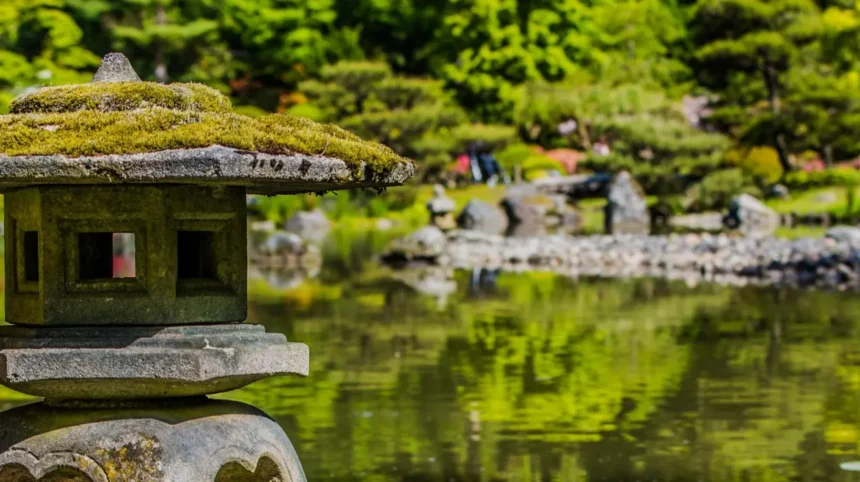
Seattle Japanese Garden is widely regarded as one of the most tranquil urban retreats in King County because it combines traditional Japanese landscape design, seasonal beauty, reflective walking paths, and a quiet atmosphere within the heart of Seattle. Located inside the Washington Park Arboretum in the Madison Park neighborhood, the garden offers visitors a restorative nature experience that contrasts with the pace of downtown Seattle.
For travelers seeking wellness tourism, mindfulness activities, photography opportunities, and peaceful outdoor experiences, Seattle Japanese Garden provides a carefully designed environment where nature, culture, and contemplation coexist. Its authentic design principles, changing seasonal scenery, and visitor etiquette help preserve a sense of calm rarely found in major metropolitan areas.
What Makes Seattle Japanese Garden Different From Other Urban Gardens in Seattle?
Seattle Japanese Garden stands apart from other public gardens because it follows traditional Japanese garden philosophy rather than functioning solely as a botanical display. The garden was designed to create harmony between natural elements and human experience, encouraging visitors to slow down and observe rather than simply pass through.
Situated within the larger Washington Park Arboretum, the garden features winding pathways, stone lanterns, carefully placed bridges, ponds, waterfalls, and ornamental plantings. Every element contributes to a deliberate visual composition inspired by Japanese landscape traditions.
Unlike many urban parks in Seattle, the garden emphasizes balance, asymmetry, and seasonal awareness. Visitors encounter changing perspectives as they walk through the grounds, creating a sense of discovery without requiring long hiking trails or extensive physical activity.

The location also strengthens its appeal. Being close to Madison Park, Lake Washington, and several cultural attractions allows travelers to combine a peaceful garden visit with broader sightseeing throughout Seattle.
How Does Japanese Garden Design Philosophy Create a Sense of Peace?
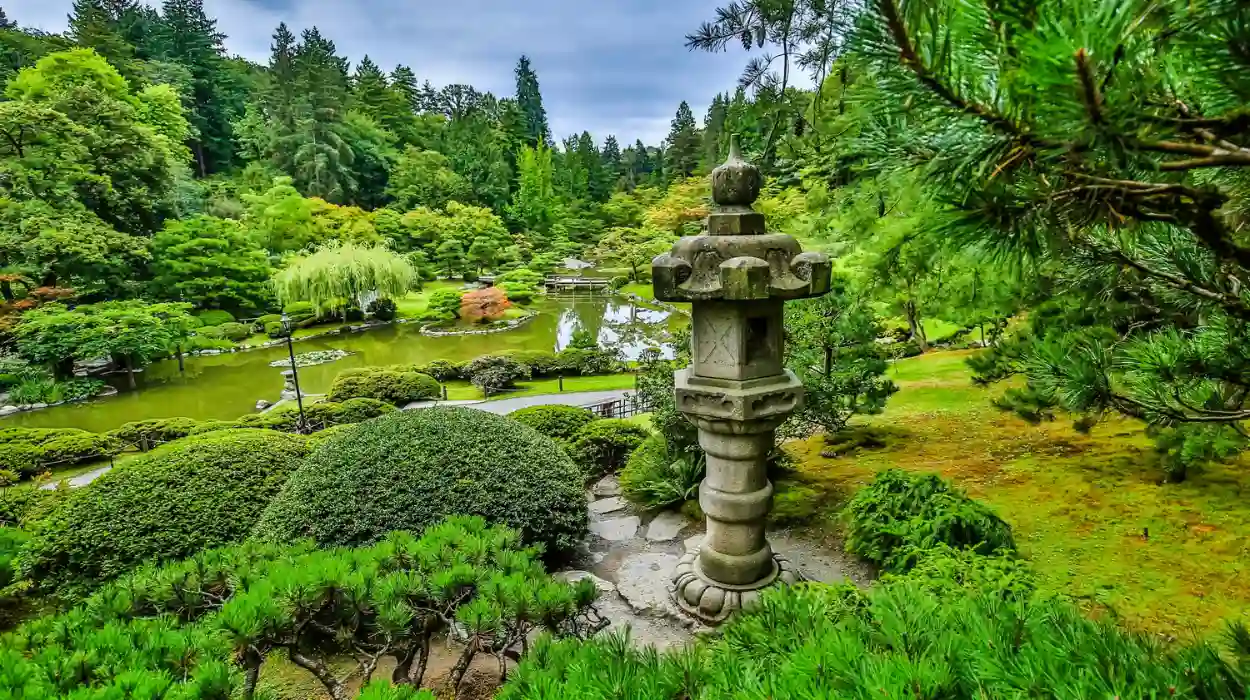
The calming atmosphere of Seattle Japanese Garden originates from centuries-old Japanese design principles focused on harmony, simplicity, and reflection.
Traditional Japanese gardens aim to represent larger natural landscapes in a smaller space. Water symbolizes rivers and oceans, stones represent mountains, and carefully pruned trees create visual balance. The result is an environment designed to encourage mindfulness and observation.
At Seattle Japanese Garden, visitors notice these principles immediately. Curved pathways reveal scenery gradually rather than all at once. Pond reflections create visual stillness. Stone arrangements guide attention toward focal points while preserving open space.
The concept of “ma,” often understood as meaningful emptiness or intentional space, plays a significant role throughout the garden. Instead of filling every area with flowers or decorative features, the design uses space itself as an important element.
This philosophy aligns naturally with modern wellness tourism trends. Many visitors come specifically to disconnect from digital distractions, enjoy quiet walks, practice meditation, or simply spend time in a restorative environment.
Because the garden prioritizes contemplation over entertainment, it appeals to travelers looking for meaningful experiences rather than high-energy attractions.
What Seasonal Transformations Can Visitors Experience Throughout the Year?
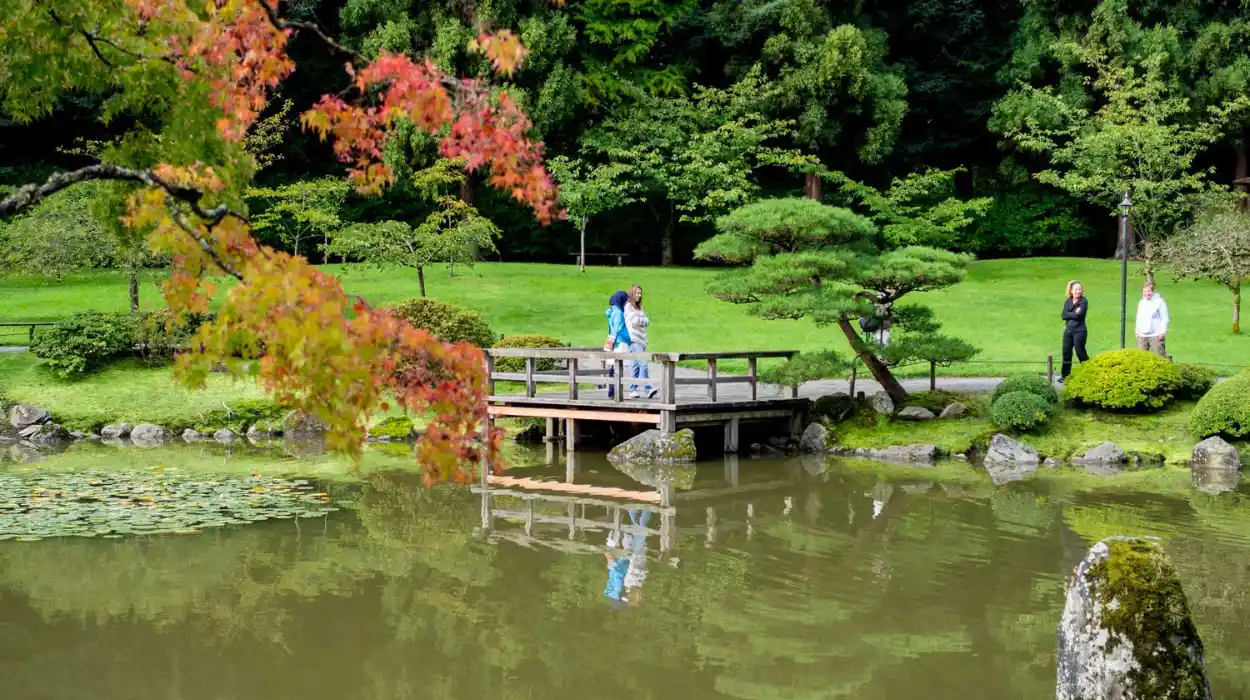
One of the strongest reasons to revisit Seattle Japanese Garden is its dramatic seasonal transformation. Every season offers a distinct visual experience, making the garden attractive year-round.
Spring Brings Cherry Blossoms and Fresh Growth
Spring is among the most popular times to visit. Cherry blossoms, flowering trees, emerging greenery, and vibrant plant life transform the landscape into a colorful display.

Visitors often arrive during peak bloom periods to enjoy scenic walks and photography opportunities. The season represents renewal and aligns closely with traditional Japanese appreciation for fleeting natural beauty.
Summer Creates Lush Green Landscapes
During summer, dense foliage surrounds pathways and water features. Longer daylight hours allow visitors to spend more time exploring the grounds while enjoying shaded areas created by mature trees.
The garden feels particularly secluded during summer because vegetation softens urban sounds and creates an immersive natural environment.
Autumn Delivers Spectacular Fall Colors
Many local residents consider autumn the most beautiful season at Seattle Japanese Garden. Japanese maples become vivid shades of red, orange, and gold, creating striking visual contrasts against ponds and stone features.
Fall photography enthusiasts frequently visit during this period because the colorful foliage provides some of Seattle’s most recognizable seasonal scenery.
Winter Highlights Structure and Simplicity
Winter reveals aspects of the garden often hidden by dense foliage. Tree structures, stone arrangements, bridges, and architectural details become more prominent.
The quieter visitor numbers during winter also contribute to a more reflective atmosphere, making it a preferred season for those seeking solitude.
What Is the Walking Path Experience Like Inside Seattle Japanese Garden?
The walking experience is one of the garden’s defining attractions.
Unlike destination-focused attractions where visitors move directly toward a landmark, Seattle Japanese Garden encourages slow exploration. The pathways are designed to create a sequence of visual experiences rather than a single focal point.
Visitors encounter:
- Scenic pond views
- Traditional stone lanterns
- Wooden bridges
- Water features
- Carefully shaped trees
- Seasonal plant displays
- Quiet observation points
The paths are generally accessible and manageable for most visitors. Rather than requiring strenuous hiking, the experience emphasizes leisurely movement and observation.
Many guests spend time pausing at viewpoints overlooking the central pond, where reflections of surrounding vegetation create constantly changing scenery throughout the day.
The layout also minimizes visual distractions. Urban development remains largely hidden from view, helping visitors feel separated from the city despite remaining within Seattle.
This immersive design contributes significantly to the garden’s reputation as a peaceful escape.
Why Has Seattle Japanese Garden Become Popular for Wellness and Meditation Tourism?
Seattle Japanese Garden aligns naturally with growing interest in wellness travel, mindfulness experiences, and restorative tourism.
Many travelers increasingly seek destinations that support mental well-being rather than focusing solely on entertainment. The garden fulfills this need by offering an environment specifically designed to encourage calm observation.
Several characteristics support wellness-focused visits:
Quiet Atmosphere Encourages Mindfulness
The garden’s design promotes slower movement and intentional awareness. Visitors often describe feeling less rushed after spending time among the pathways and water features.
Natural Elements Reduce Urban Stress
Research consistently shows that exposure to green spaces can improve mood and reduce stress. The garden provides a concentrated nature experience within Seattle’s urban environment.
Reflection Opportunities Enhance Visitor Experience
Numerous seating areas and scenic viewpoints allow guests to pause, observe, and enjoy moments of stillness. These spaces are particularly valued by visitors interested in meditation and personal reflection.
Cultural Appreciation Adds Depth
Learning about Japanese garden traditions provides an educational component that enriches the overall experience. Rather than simply viewing plants, visitors engage with a broader cultural and philosophical framework.
For travelers building wellness-focused itineraries in King County, Seattle Japanese Garden frequently ranks among the most rewarding destinations.
What Photography Rules and Visitor Etiquette Should Guests Know Before Visiting?
Visitors are encouraged to photograph the garden, but maintaining a respectful environment remains an important priority.
Photography is popular because of the seasonal landscapes, reflections, bridges, and carefully maintained scenery. However, guests should remember that the garden functions as a place of contemplation as much as a tourist attraction.
Important etiquette considerations include respecting quiet spaces, staying on designated pathways, avoiding disruption to other visitors, and protecting plant life by not entering restricted areas.
Tripods, commercial photography sessions, and organized photo shoots may have specific requirements or restrictions depending on current garden policies. Visitors should review official guidelines before planning professional photography projects.
The best photographs often come from patient observation rather than extensive equipment. Morning and late-afternoon light typically produce the most visually appealing conditions.
Respecting etiquette helps preserve the atmosphere that attracts visitors seeking peace and relaxation.
When Is the Best Time of Day to Visit Seattle Japanese Garden for a Calm Experience?
For visitors prioritizing tranquility, timing can significantly influence the experience.
Early Morning Visits Offer Maximum Quiet
Morning hours typically provide the calmest conditions. Visitor numbers are lower, temperatures are comfortable, and lighting conditions are often ideal for photography.
The reflective qualities of ponds and water features are especially noticeable during quieter morning periods.
Weekdays Are Generally Less Crowded
Weekdays usually provide a more peaceful atmosphere than weekends. Travelers seeking meditation, contemplation, or uninterrupted photography often prefer weekday visits.
Seasonal Timing Depends on Visitor Goals
Spring is ideal for blossoms and fresh growth.
Summer offers lush greenery and extended daylight.
Autumn delivers dramatic foliage displays.
Winter provides simplicity, structure, and reduced crowds.
Many returning visitors schedule multiple visits throughout the year because each season transforms the garden’s appearance and mood.
What Nearby Attractions Complement a Visit to Seattle Japanese Garden?
Seattle Japanese Garden serves as an excellent starting point for exploring nearby attractions throughout central Seattle.
The surrounding Washington Park Arboretum extends opportunities for nature-focused exploration beyond the garden itself. Visitors can continue walking through diverse plant collections and natural landscapes.
Nearby Madison Park offers access to Lake Washington shoreline views and waterfront recreation. Additional cultural destinations throughout Seattle can easily be combined into a half-day or full-day itinerary.
If you are visiting this area, you may also want to explore: Japanese restaurants near Seattle Japanese Garden.
This complementary food-focused resource helps visitors discover dining options that extend the cultural experience after exploring the garden. It satisfies dining and culinary search intent while helping travelers plan a more complete day in the neighborhood.
Combining a peaceful garden visit with nearby Japanese dining creates a cohesive travel experience that appeals to both cultural travelers and wellness-focused visitors.
Frequently Asked Questions About Seattle Japanese Garden
Is Seattle Japanese Garden worth visiting?
Yes. Seattle Japanese Garden offers one of the most peaceful nature experiences in Seattle. Its authentic design, seasonal beauty, quiet atmosphere, and location within Washington Park Arboretum make it valuable for both residents and visitors.
How much time should I spend at Seattle Japanese Garden?
Most visitors spend between one and two hours exploring the pathways, observing seasonal landscapes, taking photographs, and enjoying quiet reflection. Those combining the visit with Washington Park Arboretum may stay longer.
What is the best season to visit Seattle Japanese Garden?
Spring and autumn are the most popular seasons. Spring features blossoms and fresh greenery, while autumn showcases vibrant Japanese maple colors. Each season provides a unique experience.
Can you take photos inside Seattle Japanese Garden?
Yes. Personal photography is generally welcome. Visitors should remain on designated paths, respect other guests, and review current garden policies regarding professional or commercial photography.
Is Seattle Japanese Garden good for meditation and mindfulness?
Yes. The garden’s quiet atmosphere, traditional design principles, water features, and natural surroundings make it one of Seattle’s most suitable locations for mindfulness and contemplative visits.
Where is Seattle Japanese Garden located?
Seattle Japanese Garden is located within Washington Park Arboretum in Seattle’s Madison Park area of King County, Washington, providing convenient access to several nearby attractions and neighborhoods.