

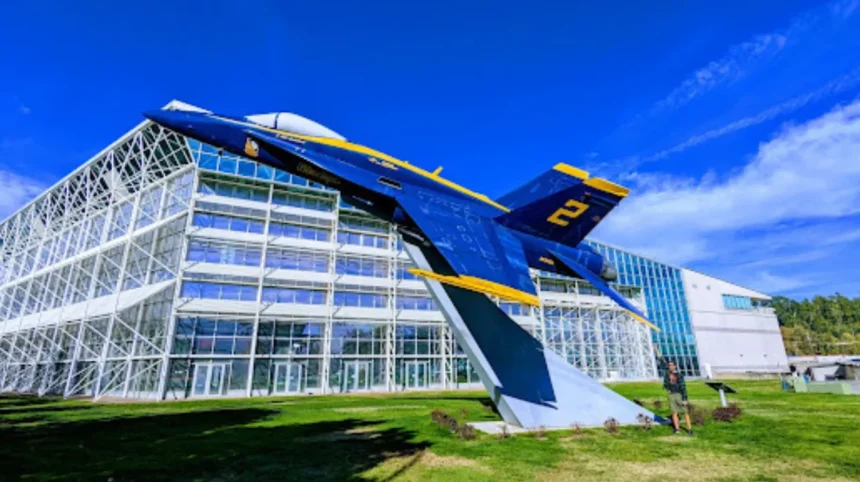
The Museum of Flight is one of the most comprehensive aviation museums in the United States and a major educational tourism destination in King County. Located near Boeing Field in south Seattle, the museum combines historic aircraft, interactive aviation exhibits, aerospace science education, and space exploration galleries under one large indoor complex. Travelers visit the museum to explore Boeing aviation history, walk through real aircraft, experience flight simulators, and learn how Seattle became one of the world’s leading aerospace cities.
The museum attracts aviation enthusiasts, families, students, photographers, and international tourists because it offers a structured indoor experience that can be explored year-round. Unlike smaller aviation museums, this Seattle attraction combines military aviation, commercial flight history, NASA-related exhibits, and hands-on learning environments in one location.
Seattle’s aviation identity is closely tied to Boeing, and the museum reflects that regional heritage through exhibits connected to aircraft manufacturing, engineering innovation, and Pacific Northwest aerospace development. The location near Boeing Field strengthens the connection between Seattle tourism and real aviation operations, giving visitors a more immersive educational experience.
What Aircraft Collections Can Visitors Explore Inside The Museum of Flight in Seattle?
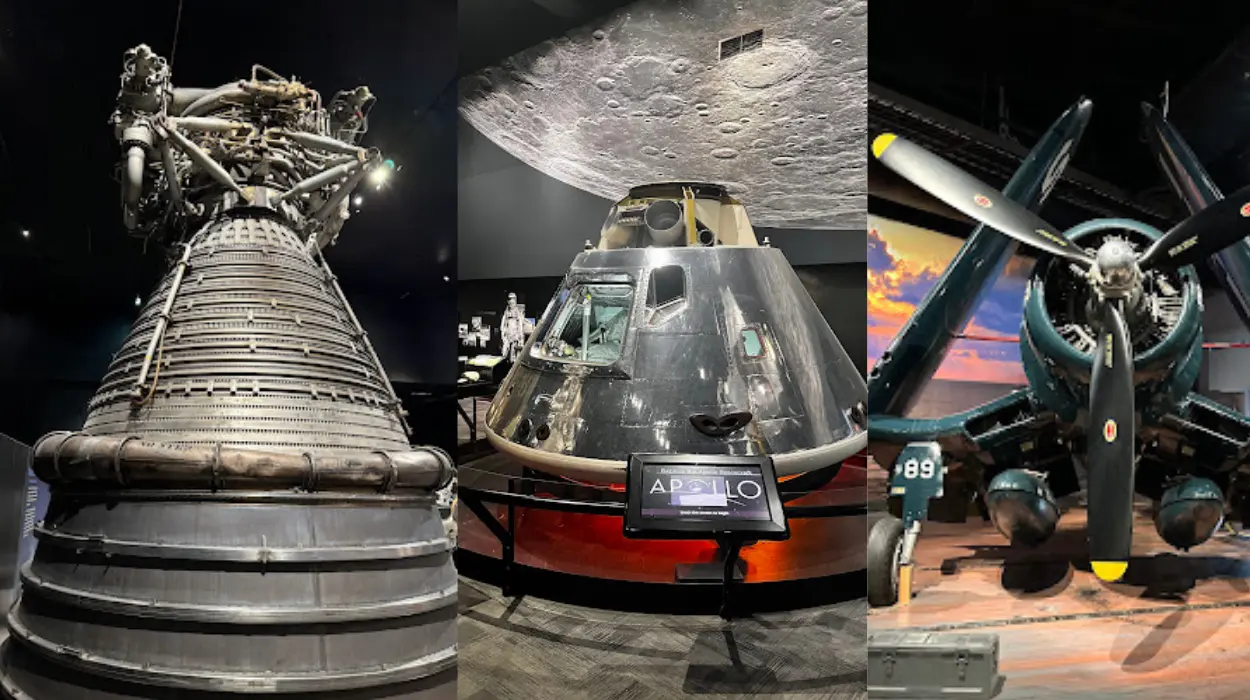
The Museum of Flight is known for its extensive aircraft collection that spans more than a century of aviation history. Visitors can see military jets, commercial airliners, experimental aircraft, helicopters, and spacecraft exhibits within multiple indoor hangars and outdoor display areas.
One of the museum’s most recognized attractions is the Aviation Pavilion, where travelers can walk among iconic commercial aircraft and military planes. The pavilion includes large-scale aviation icons connected to American aerospace history and global air travel development. Visitors often spend significant time examining the engineering details, cockpit structures, and historical timelines attached to each aircraft.

The museum also features aircraft connected to major historical events, including World War II aviation technology, Cold War military aviation, and early passenger flight innovation. These exhibits help travelers understand how aircraft design evolved from propeller-driven engineering to modern jet transportation.
A major highlight for many visitors is the chance to board selected aircraft interiors. This creates a more immersive museum experience compared to traditional “view-only” aviation displays. Travelers can move through passenger cabins, presidential aircraft sections, and restored aviation interiors that demonstrate changes in air travel comfort and technology over time.
The space exploration section expands the museum beyond airplanes by including aerospace innovation exhibits connected to NASA missions, satellites, and space travel research. This broader aviation-and-space approach helps position the museum as both a science attraction and a historical institution in Seattle.

How Does Boeing History Shape The Museum of Flight Experience in Seattle?
Seattle’s global reputation as an aerospace city is deeply connected to Boeing, and that influence is visible throughout the museum experience. The Museum of Flight explains how Boeing transformed Seattle and the broader Puget Sound region into one of the world’s most important aviation manufacturing centers.
The museum includes exhibits focused on aircraft engineering, commercial aviation milestones, and the development of passenger aviation systems. Travelers learn how Boeing aircraft shaped international travel and contributed to the growth of Seattle’s economy across multiple decades.
Because the museum is located near Boeing Field, visitors also experience an authentic aviation environment beyond the museum walls. Aircraft activity in the surrounding area reinforces the educational atmosphere and creates stronger geographic relevance for aviation tourism in King County.
Exhibits connected to Boeing history often include production timelines, engineering innovations, aircraft model evolution, and aerospace design challenges. These displays appeal not only to aviation fans but also to travelers interested in technology, industrial history, and American manufacturing.
The museum’s educational structure also supports STEM learning. Many exhibits are designed to explain aerodynamics, propulsion systems, flight mechanics, and aerospace engineering concepts in accessible ways. This makes the museum especially valuable for school groups and families visiting Seattle for educational tourism.
What Interactive Aviation Exhibits Make The Museum of Flight Different From Other Museums?
The Museum of Flight stands out because it combines traditional museum galleries with interactive aviation experiences. Visitors are not limited to reading display plaques or observing aircraft from a distance. Instead, the museum encourages hands-on exploration and simulation-based learning.

Flight simulators are among the most popular attractions for both adults and children. These simulator experiences allow visitors to practice piloting techniques, understand cockpit controls, and experience the basics of aviation navigation. The interactive structure makes the museum more engaging for younger audiences who may struggle with traditional museum environments.
Cockpit exhibits also create a more immersive educational experience. Visitors can observe flight instrumentation, pilot seating layouts, and aircraft control systems up close. These exhibits help explain how pilots manage navigation, communication, and aircraft operations during commercial and military flights.
The museum frequently integrates multimedia presentations, digital learning stations, and aerospace science demonstrations throughout its exhibit halls. This layered educational format supports different visitor types, including casual tourists, aviation hobbyists, engineering students, and history-focused travelers.
Interactive exhibits also improve the museum’s value during Seattle’s rainy months. Because most experiences are indoors, the attraction remains popular throughout the year regardless of weather conditions. Travelers looking for indoor activities in Seattle often prioritize The Museum of Flight because it combines entertainment, education, and climate-controlled comfort.
How Long Does It Take To Fully Explore The Museum of Flight in Seattle?
Most travelers need between four and six hours to experience the museum properly. However, aviation enthusiasts and families interested in detailed exploration may spend an entire day inside the facility.
The museum’s layout includes multiple exhibit halls, aircraft galleries, simulator areas, educational displays, and outdoor aviation sections. Because the property is large and content-rich, rushing through the exhibits often reduces the educational value of the visit.
Solo travelers frequently move through the museum faster because they tend to focus on specific aviation interests such as military aircraft or aerospace engineering. Families with children usually spend more time in interactive areas, simulation zones, and hands-on science exhibits.
Visitors interested in photography also extend their stay because aircraft interiors, large hangars, and aviation architecture provide strong visual opportunities. The museum’s indoor lighting and spacious galleries make it a popular destination for aviation photography and travel content creation.
Travelers visiting Seattle for only one or two days should generally reserve at least half a day for the museum. Pairing the visit with nearby aviation-related attractions or Seattle sightseeing locations can create a full-day educational itinerary within King County.
Is The Museum of Flight Better For Families Or Solo Travelers Visiting Seattle?
The Museum of Flight works well for both family tourism and independent exploration because its exhibits support multiple visitor interests simultaneously.
Families benefit from the museum’s interactive learning structure. Children often engage most with flight simulators, cockpit experiences, and science-based educational displays. Parents appreciate that the museum combines entertainment with educational value, making it one of Seattle’s strongest indoor family attractions.
School-age visitors especially benefit from exhibits explaining physics, engineering, and aerospace technology in accessible language. The museum’s structured educational environment supports STEM-focused travel experiences and learning-based tourism.
Solo travelers, meanwhile, often explore the museum more deeply from a historical or technical perspective. Aviation enthusiasts may spend extended time studying aircraft restoration details, aerospace innovation timelines, or military aviation history.
International travelers visiting Seattle also use the museum to better understand the Pacific Northwest aerospace industry and Boeing’s role in global aviation development. Because Seattle is internationally associated with aviation manufacturing, the museum provides cultural and industrial context that strengthens the broader travel experience.
The museum’s indoor design, organized galleries, and self-guided exploration structure make it convenient for independent visitors who prefer flexible travel schedules.
What Nearby Seattle Travel Connections Improve A Museum of Flight Visit?
The Museum of Flight connects naturally with several major Seattle travel experiences because of its location in King County and proximity to transportation corridors. Visitors often combine the museum with downtown Seattle sightseeing, waterfront exploration, or aviation-focused travel planning.
Travelers visiting this part of Seattle frequently look for nearby cafés and relaxed dining spaces after spending several hours inside the museum. Since museum visits can last most of the day, food-related planning becomes an important part of the visitor experience.
If you are visiting this area, you may also want to explore: best cafés near Seattle’s Museum of Flight for visitors. This complementary content helps travelers discover convenient coffee shops and café spaces suitable for breaks before or after museum exploration. It supports dining-related search intent while improving local travel planning efficiency for Seattle visitors.
Nearby Seattle attractions such as Pike Place Market, Space Needle, and Seattle Waterfront are commonly paired with museum visits during multi-day Seattle itineraries. However, The Museum of Flight remains unique because it focuses specifically on aviation education and aerospace history rather than general sightseeing.
Why Does The Museum of Flight Remain One of Seattle’s Strongest Indoor Educational Attractions?
The Museum of Flight remains one of Seattle’s top indoor attractions because it combines education, entertainment, technology, and regional identity in a highly structured visitor experience. The museum supports multiple forms of tourism simultaneously, including educational travel, family tourism, science exploration, and aviation history research.
Its strong connection to Boeing, aerospace engineering, and Seattle aviation culture creates long-term relevance for both domestic and international travelers. Visitors gain a deeper understanding of how Seattle became globally associated with aircraft innovation and aerospace development.
The museum’s indoor environment also increases its year-round tourism value in the Pacific Northwest climate. Travelers can comfortably explore exhibits regardless of weather conditions, making it one of the most dependable educational attractions in King County.
Unlike many museums that focus only on static displays, The Museum of Flight integrates interactive learning, real aircraft experiences, and immersive exploration. This combination continues to attract repeat visitors, aviation professionals, students, and travelers seeking educational experiences in Seattle.
Frequently Asked Questions About The Museum of Flight in Seattle
How much time should visitors plan for The Museum of Flight in Seattle?
Most visitors should plan for four to six hours. Travelers interested in aviation history, simulators, or photography may spend an entire day exploring the museum’s multiple exhibit halls and aircraft collections.
Is The Museum of Flight suitable for children and families?
Yes, the museum is highly family-friendly. Interactive exhibits, cockpit displays, and flight simulators help children engage with aviation science and aerospace learning in an entertaining format.
Where is The Museum of Flight located in Seattle?
The museum is located near Boeing Field in south Seattle within King County. Its location strengthens the aviation connection because visitors are close to active aerospace operations and historic Boeing-related areas.
What makes The Museum of Flight different from other aviation museums?
The museum combines large aircraft collections with immersive experiences, flight simulators, educational exhibits, and Boeing aviation history. Its indoor structure and interactive design create a more engaging visitor experience.
Can visitors enter aircraft inside The Museum of Flight?
Yes, selected aircraft allow interior access. Visitors can walk through cabins and explore certain cockpit-related areas, which creates a more hands-on aviation experience compared to traditional museums.
What is the best time of year to visit The Museum of Flight?
The museum is suitable year-round because most exhibits are indoors. Many travelers choose it during rainy Seattle months when outdoor sightseeing conditions are less favorable.