


Lincoln Park is one of the most underrated outdoor destinations in , offering visitors a rare combination of old-growth forest, saltwater shoreline, scenic walking trails, and panoramic views of . Located in Seattle’s West Seattle neighborhood, the park provides a quieter alternative to the city’s more crowded attractions while delivering diverse recreational opportunities throughout the year. For travelers looking to experience both Pacific Northwest forests and coastal scenery in one destination, Lincoln Park remains one of Seattle’s best hidden gems.
Unlike many urban parks that focus on a single landscape, Lincoln Park blends dense evergreen woodland, rocky beaches, open lawns, waterfront pathways, wildlife viewing, and spectacular sunset viewpoints into one easily accessible location.
Why Is Lincoln Park Considered One of Seattle’s Best Hidden Nature Destinations?
Lincoln Park spans approximately 135 acres along Seattle’s western shoreline, making it one of the city’s largest waterfront parks. Managed by Seattle Parks and Recreation, the park stretches along Puget Sound, where towering Douglas firs, western red cedars, and bigleaf maples create an authentic Pacific Northwest forest environment.
Although many visitors head toward Discovery Park or Kerry Park, Lincoln Park attracts fewer tourists while offering equally rewarding scenery. This lower visitor volume creates a more peaceful atmosphere for hiking, photography, birdwatching, and waterfront relaxation.
The park’s location in West Seattle also places visitors away from downtown congestion while remaining easily accessible by car, bus, bicycle, or ferry connections from nearby Vashon Island routes.

Because Lincoln Park combines multiple ecosystems within one destination, visitors can experience woodland trails, shoreline habitats, marine environments, and expansive water views during a single visit.
What Makes Lincoln Park’s Coastal Forest and Beach Combination So Unique?

One of Lincoln Park’s defining characteristics is the seamless transition between mature coastal forest and Puget Sound shoreline. Few urban parks in Washington offer such a complete natural experience within city limits.
The upper portions of the park are dominated by dense evergreen forests that provide shade throughout much of the year. Moss-covered trees, native ferns, and winding trails create an immersive woodland setting typical of the Pacific Northwest.

As visitors descend toward the waterfront, the environment changes dramatically. Forest trails open onto long stretches of rocky beach where driftwood, tidal pools, and shoreline vegetation frame uninterrupted views across Puget Sound toward the Olympic Mountains.
During low tide, beachcombing becomes especially popular as visitors search for shells, sea stars, crabs, and other marine life native to the intertidal zone. Meanwhile, seals, seabirds, bald eagles, and occasional migrating whales may be spotted offshore depending on the season.
This contrast between towering forest and open coastline makes Lincoln Park one of Seattle’s most ecologically diverse recreational areas.
How Are Lincoln Park’s Walking Trails Designed for Different Types of Visitors?
Lincoln Park features an interconnected trail system that accommodates casual walkers, families, runners, and experienced hikers without becoming overly complicated.
The upper forest trail loops through mature woodland, providing quieter surroundings and gentle elevation changes beneath large evergreen canopies. Informational signs introduce native plant species and local ecosystems, making the route educational as well as scenic.
Closer to the shoreline, the waterfront promenade follows Puget Sound for nearly the entire western edge of the park. This paved pathway offers easier accessibility for wheelchairs, strollers, and cyclists while maintaining exceptional water views throughout the route.

Several connecting stairways and hillside paths link the upper and lower sections, allowing visitors to customize walking distances depending on available time and fitness levels.
Many visitors choose to complete both trail systems in one outing, creating a diverse walking experience that alternates between forest landscapes and open coastal scenery.
Because trail intersections are clearly marked, navigation remains straightforward even for first-time visitors exploring the park independently.
Where Can Visitors Find the Best Puget Sound Viewpoints Inside Lincoln Park?
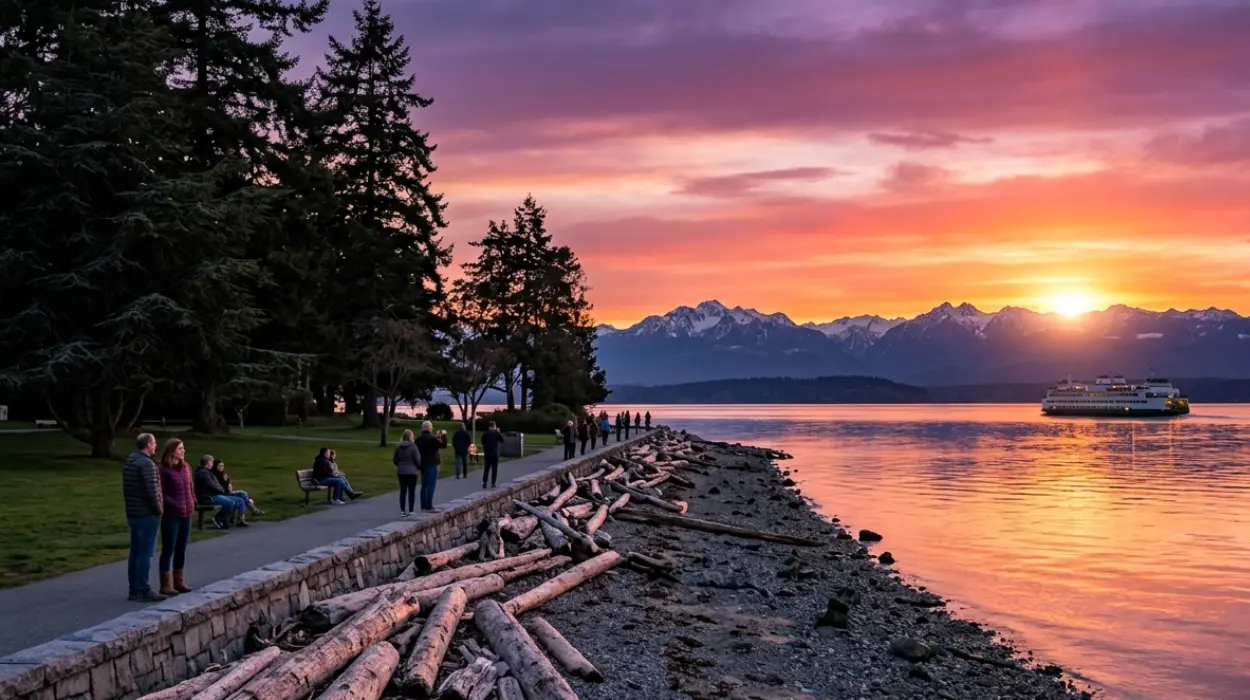
Lincoln Park offers numerous scenic overlooks where visitors can appreciate the natural beauty of Puget Sound without traveling far from Seattle.
The waterfront promenade consistently provides expansive western views toward Bainbridge Island, Vashon Island, the Olympic Mountains, and passing ferries crossing Elliott Bay and the central Sound.
Several elevated viewpoints along the upper bluff reveal dramatic perspectives where forested hills descend toward the shoreline below. These locations become especially popular among landscape photographers during golden hour when sunlight reflects across the water.
Sunset remains one of the park’s biggest attractions. Facing west across Puget Sound, Lincoln Park provides unobstructed evening views that rival many of Seattle’s better-known observation points while attracting far fewer crowds.
Changing weather conditions also enhance the scenery throughout the year. Winter storms create dramatic cloud formations, spring offers fresh greenery, summer delivers clear mountain vistas, and autumn combines colorful foliage with crisp coastal air.
Every season presents a slightly different visual experience, encouraging repeat visits throughout the year.
What Activities Can Visitors Enjoy Beyond Walking Through Lincoln Park?
Although hiking and sightseeing remain the primary reasons people visit Lincoln Park, the park supports a wide variety of outdoor recreation without overwhelming its natural environment.
The open grassy areas accommodate picnics, casual games, yoga sessions, and family gatherings beneath large shade trees. Multiple picnic shelters provide convenient meeting spaces for groups while remaining integrated into the surrounding landscape.
Beach access allows visitors to explore driftwood-covered shorelines, observe marine ecosystems, or simply relax while listening to waves along Puget Sound.
Children benefit from playground facilities positioned near open recreation spaces, while designated swimming areas become popular during warmer months.
Nature enthusiasts frequently use Lincoln Park for birdwatching because of its mixture of forest, shoreline, and marine habitats. Bald eagles, great blue herons, cormorants, woodpeckers, hummingbirds, and numerous migratory birds regularly appear throughout the park.
Photographers appreciate the diversity of subjects available within a relatively compact area, including forest landscapes, wildlife, sunsets, waterfront scenery, and seasonal vegetation.
The park’s broad range of activities ensures that both short visits and half-day explorations remain rewarding regardless of visitor interests.
When Is the Best Time to Explore Lincoln Park for the Most Enjoyable Experience?
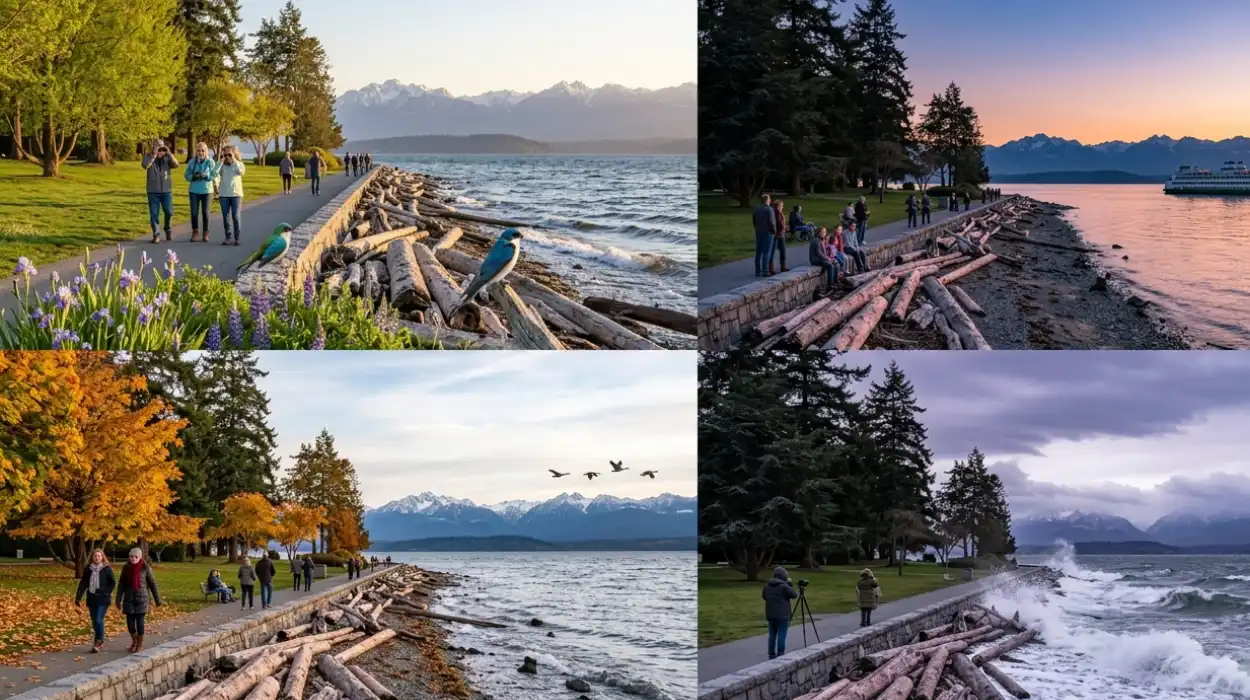
Lincoln Park remains open year-round, but each season offers distinct advantages depending on visitor preferences.
Spring introduces blooming wildflowers, vibrant greenery, and active wildlife as migrating birds return to the area. Moderate temperatures make this one of the most comfortable seasons for extended trail walks.
Summer provides the longest daylight hours, calm water conditions, and ideal weather for beach exploration, photography, and family outings. Despite increased local use, Lincoln Park remains noticeably less crowded than many central Seattle attractions.
Autumn transforms portions of the park with colorful foliage while cooler temperatures create comfortable hiking conditions. Wildlife activity also increases during seasonal migrations.
Winter offers peaceful solitude and dramatic coastal scenery. Storm systems moving across Puget Sound produce spectacular waves, cloud formations, and atmospheric photography opportunities rarely seen during summer.
For visitors hoping to avoid crowds altogether, weekday mornings throughout spring and autumn generally provide the quietest experience. Sunset remains the most visually rewarding time regardless of season due to Lincoln Park’s western shoreline orientation.
How Does Lincoln Park Connect with Other West Seattle Travel Experiences?
Lincoln Park serves as an excellent starting point for exploring the wider West Seattle area. Its location places visitors close to additional waterfront viewpoints, scenic neighborhoods, ferry connections, and coastal walking routes without requiring long travel times.
Because many travelers spend several hours exploring the park’s trails and beaches, nearby dining options naturally become part of the overall experience.
If you are visiting this area, you may also want to explore best beachside cafés near Lincoln Park Seattle. This complementary guide helps visitors discover local cafés perfect for breakfast, coffee breaks, or relaxing meals before or after spending time in the park. It satisfies dining-focused search intent while naturally extending a full day exploring West Seattle.
Frequently Asked Questions About Visiting Lincoln Park in Seattle
Is Lincoln Park free to visit?
Yes. Lincoln Park is free to enter and offers public access to trails, beaches, viewpoints, picnic areas, and recreational facilities throughout the year. Parking is also available, although spaces may fill during summer weekends.
How long should visitors spend exploring Lincoln Park?
Most visitors spend between two and four hours exploring Lincoln Park. This allows enough time to walk both forest and waterfront trails, enjoy scenic viewpoints, relax along the beach, and observe local wildlife.
Is Lincoln Park suitable for families with children?
Yes. Lincoln Park includes playgrounds, open lawns, accessible walking paths, picnic shelters, beach access, and seasonal swimming opportunities, making it an excellent destination for families visiting Seattle.
What wildlife can visitors see at Lincoln Park?
Visitors commonly observe bald eagles, great blue herons, cormorants, gulls, hummingbirds, seals, and a variety of native woodland birds. During certain seasons, migrating whales may occasionally be visible from the shoreline.
When is the best time to watch sunset at Lincoln Park?
Because Lincoln Park faces west across Puget Sound, sunset provides some of the park’s most impressive scenery. Summer offers longer evenings, while autumn and winter often produce dramatic skies and colorful reflections across the water.
Is Lincoln Park less crowded than other Seattle parks?
Yes. Although popular with local residents, Lincoln Park generally receives fewer tourists than many well-known Seattle attractions, creating a quieter atmosphere for hiking, photography, and enjoying nature.
Lincoln Park stands out as one of Seattle’s most rewarding hidden destinations by combining coastal forest, waterfront trails, scenic beaches, abundant wildlife, and breathtaking Puget Sound viewpoints within one expansive urban park. Its peaceful atmosphere, ecological diversity, and year-round accessibility make it an ideal escape for travelers seeking authentic Pacific Northwest nature without leaving the city. Whether you’re planning a short walk or a half-day outdoor adventure, Lincoln Park offers a memorable experience that showcases a quieter side of Seattle.